The world’s most critical oil chokepoint, the Strait of Hormuz, has become a bargaining table where Qatar is signaling a surprising willingness to compromise on Strait of Hormuz fees. In a departure from the region’s usual hardline stance, Qatar’s Deputy Prime Minister Sheikh Saoud bin Abdulrahman bin Hassan bin Ali Al Thani told the Shangri-La Dialogue that while his country firmly opposes any permanent toll for passage through the Strait of Hormuz, it would consider a temporary fee—provided the revenue is used to clear sea mines and restore safe navigation.
Strait of Hormuz Fees: A Permanent Fee Rejected, Temporary Charges on the Table
During the high-level security forum in Singapore, Sheikh Saoud made clear that Qatar views the Strait as an international waterway that must remain open and free under existing maritime law. “A permanent toll would set a dangerous precedent,” he said, “but if a temporary charge is needed to fund the removal of naval mines and ensure the safety of global shipping, we are open to discussing it.”
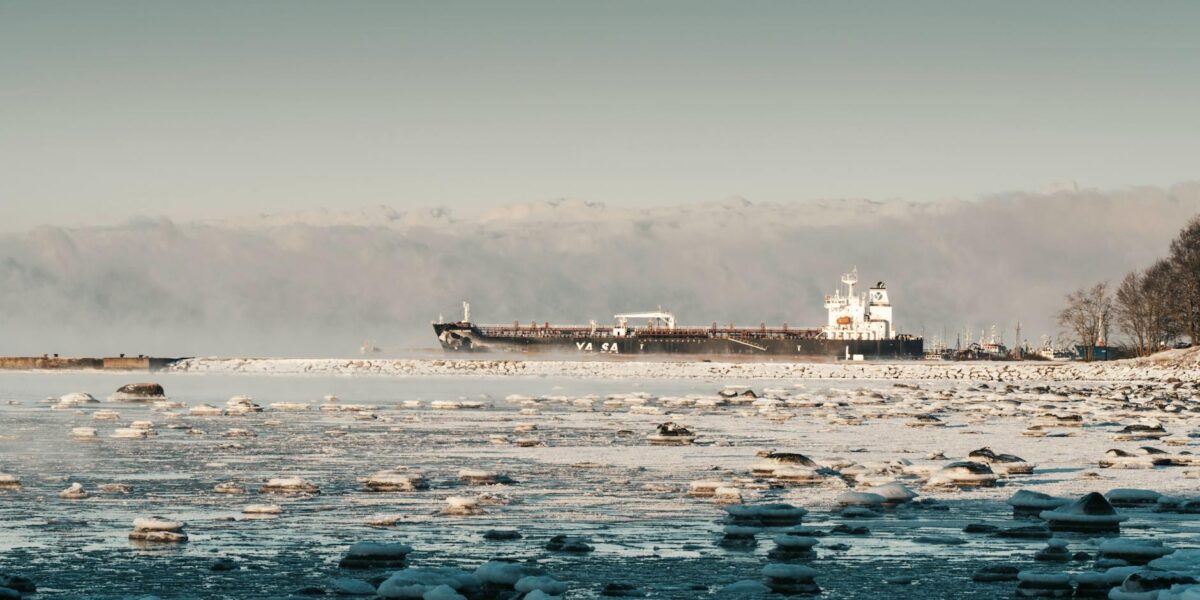
This nuanced position comes amid growing tensions in the Persian Gulf, where recent disruptions have threatened the flow of nearly one-fifth of the world’s petroleum. The Strait of Hormuz, a narrow passage between Iran and Oman, is the lifeline for oil tankers heading to Asia, Europe, and beyond.
Why Temporary Strait of Hormuz Fees Could Work
Experts argue that a time-limited levy—earmarked specifically for demining operations and navigation aids—could provide a practical solution to a complex security problem. Rather than imposing a permanent tax on global commerce, such a fee would be tied directly to a measurable goal: reopening the strait safely. Once the mines are cleared and traffic flows freely, the fee would expire.
“This is a rare moment of diplomatic flexibility from a Gulf state,” said Dr. Amira Khalil, a maritime security analyst at the Gulf Research Center. “Qatar is essentially saying, ‘We will pay for the cleanup, but we won’t let this become a new tax on shipping.’ It’s a pragmatic approach that could break the current deadlock.”
The Bigger Picture: A Waterway Under Pressure
The original dispute over Strait of Hormuz fees is only the latest flashpoint in a region already scarred by proxy conflicts and geopolitical rivalry. The Strait of Hormuz has been weaponized before—most notably during the Iran-Iraq War, when both sides attacked tankers and laid mines. Today, the risk is compounded by the presence of non-state actors and the potential for miscalculation between Iran and its Gulf neighbors.
Qatar’s willingness to negotiate temporary charges reflects a broader shift in Doha’s foreign policy, which increasingly favors mediation and economic pragmatism over confrontation. As the world’s largest exporter of liquefied natural gas, Qatar has a direct interest in keeping sea lanes open. Any prolonged closure of the Strait would cripple its economy and send energy prices skyrocketing.
What This Means for Global Trade
If a temporary fee is implemented, the cost would likely be passed along the supply chain—from tanker operators to refiners, and eventually to consumers at the pump. However, proponents argue that a small, predictable surcharge would be far less damaging than the chaos of a blocked strait. For a global economy still recovering from inflation and supply chain disruptions, the promise of a reliable maritime corridor is worth a modest price.
“The alternative is far worse,” said Captain Michael Torres, a retired U.S. Navy officer who now advises shipping firms. “A permanent toll would invite endless disputes and could encourage other nations to impose similar fees on strategic chokepoints. A temporary charge for a specific purpose is a compromise that keeps the law of the sea intact.”
Qatar’s offer is not a blank check. The Deputy Prime Minister stressed that any agreement must be multilateral, involving stakeholders from both sides of the Gulf, as well as major shipping nations. The coming months will test whether this diplomatic opening can lead to a concrete plan—or whether the Strait of Hormuz remains a bargaining chip in a larger regional game. For more on regional security dynamics, see our analysis of the US-Iran deal stalemate. Additionally, the Pentagon chief’s warning to Asia allies highlights broader defense spending challenges. For authoritative background on the Strait of Hormuz, refer to the U.S. Energy Information Administration and Reuters Middle East coverage.