On a dusty road south of La Paz, the Bolivian public works minister found himself in a nightmare scenario. His convoy was ambushed, pelted with stones and dynamite, and for a tense period, he vanished from sight. Mauricio Zamora’s brief disappearance on Saturday was more than just a dramatic headline. It was a stark symbol of how fragile Bolivia’s social contract has become six months into a new presidency, underscoring the deepening Bolivia crisis.
This wasn’t a random act of violence. Zamora was overseeing the clearance of roadblocks set up by supporters of former President Evo Morales. The goal was noble—restoring what the government calls ‘humanitarian corridors’ to get food and medicine into La Paz and the sprawling neighboring city of El Alto. Instead, the operation ignited a fresh wave of chaos. In Copata, his vehicle took a desperate detour down a dirt road, only to face a second attack before finally escaping.
The Price of Austerity in the Bolivia Crisis
To understand the rage on the streets, you have to look at what Bolivians are paying at the checkout counter. President Rodrigo Paz won office on a promise to fix the country’s worst economic crisis in decades. But his first major move—scrapping long-standing fuel subsidies—sent prices soaring. For a population already squeezed by inflation and shortages, it felt like a betrayal. Paz argues it was a necessary, painful fix. For many protesters, it’s proof that the government cares more about fiscal discipline than feeding families.
The protests aren’t just about pocketbooks, though. They are deeply political. Evo Morales, the charismatic leftist former president who is now holed up with supporters while facing serious criminal allegations, has backed the demonstrations. He has long railed against U.S. influence in Latin America, and he sees Paz’s centrist, pro-market government as a Washington-backed project. By framing the unrest as a fight against foreign meddling, Morales has given the roadblocks a revolutionary sheen that resonates with his base.
A Country Under Siege
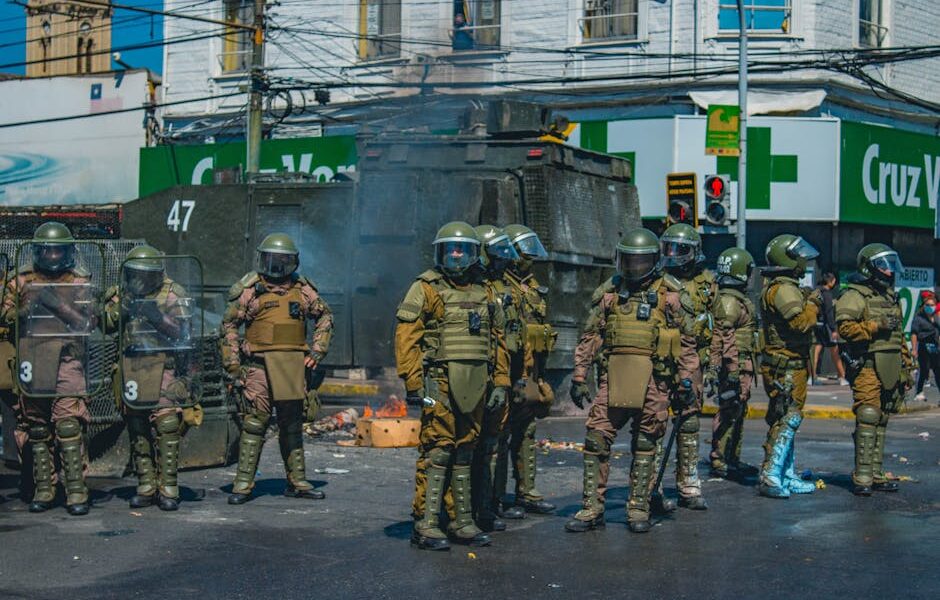
The violence has been brutal and widespread. In Achicha Arriba, protesters looted and burned a customs post after police fired tear gas. Near Caracollo, demonstrators set a military truck on fire and ransacked a police station. Reporters covering the clashes have also come under attack. The government denies reports of a fatality in Vilaque, but the fact that such rumors spread so quickly shows how frayed trust has become.
What makes this moment different from previous cycles of unrest is the fragmentation. Bolivia has seen its share of street battles, but usually with clear sides. Now, you have a center-right president trying to project stability, a former leftist leader using the streets as leverage, and a population that is simply exhausted and angry. The roadblocks are not just about fuel or food—they are a physical manifestation of a country that feels stuck.
The Fragility of Dialogue
President Paz has said he is exploring every avenue of dialogue, but he also told an Argentine news outlet, ‘Everything has a limit.’ That line is telling. It suggests a leader who feels cornered. If he gives in to the protesters, he undermines his own authority and the economic reforms he says are vital. If he cracks down harder, he risks igniting a full-blown crisis that could spiral beyond anyone’s control.
Here is the reality the headlines often miss: The ambush of a minister is not an isolated incident. It is a symptom of a deeper breakdown in how Bolivians resolve their differences. The country has a long history of using blockades as a political tool, but this time the stakes are higher because the economy is on life support. When a minister can’t safely travel on a national highway, it’s not just a security failure—it’s a sign that the state’s authority is being challenged in a fundamental way.
Behind the dynamite and the political games, there are ordinary people who just want to get to work, to feed their kids, to live without fear. Until someone finds a way to bridge the gap between those basic needs and the political ambitions of the men at the top, Bolivia’s roads—and its future—will remain blocked. For more on regional instability, see our analysis of The Quad’s Identity Crisis. For broader context on global tensions, read about Global Tensions Stress-Testing the System. Learn more about the economic factors behind such crises from IMF analysis of Bolivia’s economy and BBC coverage of Bolivia’s political turmoil.