The Next Frontier of Naval Power
When the United States, the United Kingdom, and Australia signed the AUKUS security pact in 2021, most headlines focused on nuclear-powered submarines. But the real, quieter revolution is happening beneath the waves—in the form of advanced underwater drone tech. These autonomous systems are not just gadgets; they represent a fundamental shift in how these three nations plan to patrol the world’s oceans, collect intelligence, and deter adversaries without putting sailors directly in harm’s way.
Why Underwater Drone Tech Matters More Than Ever
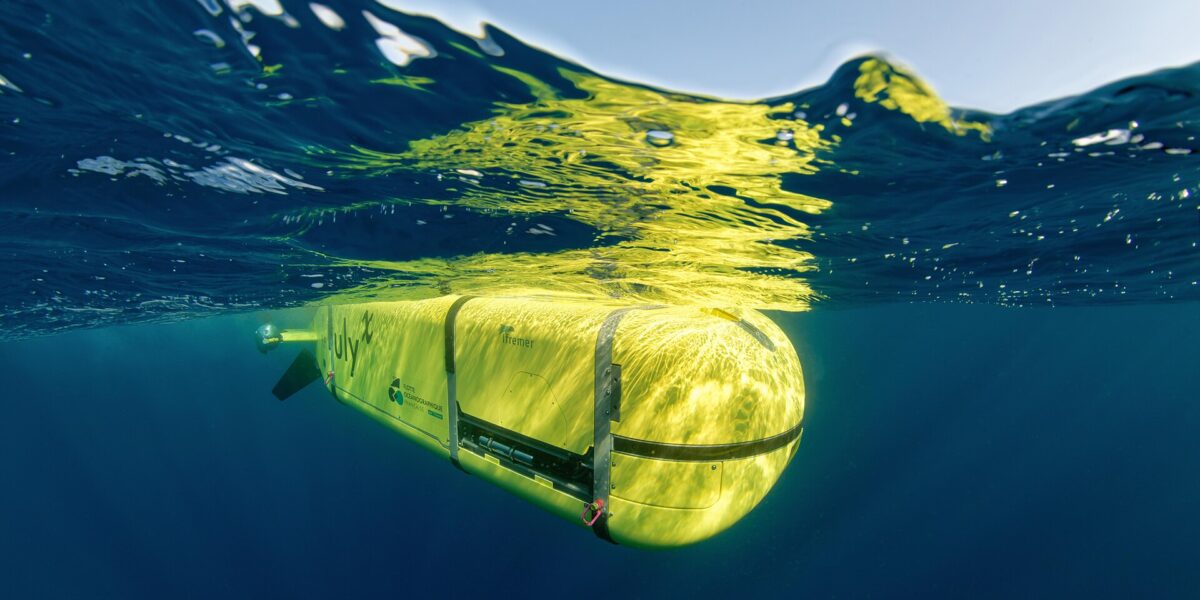
Imagine a network of unmanned vehicles gliding silently through the deep sea for weeks on end, sending back data on enemy ship movements, undersea cables, and even underwater infrastructure. This is the vision behind the latest AUKUS initiative: a collaborative effort to develop and deploy a new generation of underwater drone tech. Unlike traditional submarines, these drones can operate in shallow waters, endure longer missions, and be produced at a fraction of the cost. For the AUKUS partners, this is a strategic game-changer—especially as China expands its own naval and submarine capabilities in the Indo-Pacific.
From Submarines to Swarms
The original AUKUS focus on nuclear submarines provided the foundational technology, including advanced propulsion and stealth designs. Now, the alliance is leveraging that knowledge to create smaller, unmanned platforms. The program aims to integrate artificial intelligence that allows drones to communicate and coordinate in swarms, much like a school of fish avoiding a predator. This collective behavior makes them harder to detect and more effective at covering vast areas of ocean.
One of the key breakthroughs being explored is the ability to deploy these drones from submarines, aircraft, or surface ships. This modular approach means that a single submarine could release a fleet of drones to scan a harbor or follow a target, while the mother vessel stays safely hidden. The data collected is processed in real time, offering commanders a level of situational awareness that was previously impossible.
An Original Perspective: The Race to Write the Rules
What many news reports miss is that this push for underwater drone tech is not just a military arms race—it’s a race to set the legal and ethical framework for unmanned naval warfare. The US, UK, and Australia are effectively writing the rulebook before other nations catch up. By developing these systems openly within a democratic alliance, they can influence global norms on issues like autonomous targeting, data privacy in international waters, and the classification of underwater drones as weapons. If left to authoritarian regimes, these standards might be far less transparent. This is a rare moment in history where technological innovation and policy-making are moving in lockstep, and the outcomes will affect maritime security for decades.
What This Means for You
While the average person won’t see these drones, their impact will be felt. Safer sea lanes for global trade, improved surveillance of illegal fishing and smuggling, and a stronger deterrence against territorial aggression are all byproducts of this program. For taxpayers in AUKUS nations, it also means more efficient defense spending—unmanned systems are cheaper to maintain than crewed vessels, and they remove the risk of losing trained personnel. Critics argue that automation lowers the threshold for conflict, but proponents counter that precision and endurance actually reduce the chances of miscalculation.
- Enhanced ocean surveillance for climate and environmental monitoring
- Protection of critical undersea internet cables from sabotage
- New job creation in robotics, AI, and marine engineering sectors
The Road Ahead
Pilot programs are already underway, with the first jointly developed prototypes expected within two years. The alliance has not disclosed exact specifications, but insiders describe the drones as being between the size of a torpedo and a small car. They will be tested in the waters off Western Australia, Scotland, and the US Gulf Coast. As the AUKUS trilateral deepens, the message is clear: the future of naval power lies not in bigger ships, but in smarter, more connected underwater drone tech.
This is not just a story about hardware. It’s about how three nations are reimagining the concept of stealth, cooperation, and control over the world’s most mysterious frontier—the deep ocean. For more on how autonomous systems are changing warfare, see our article on AI-powered drones in Ukraine. Learn about the broader implications of defense technology in our piece on Asia allies facing new defense spending tests. For authoritative insights, refer to the U.S. Department of Defense and Naval Technology.