Just weeks into what was hailed as a tentative peace, the violence in southern and eastern Lebanon has erupted once more with devastating force. On a single night, Israeli strikes Lebanon pounded over 100 targets across nearly 50 locations, leaving at least 11 civilians dead in the sleepy Bekaa Valley village of Mashghara. Among the casualties were two children and a woman, their bodies pulled from the rubble of their own homes by frantic first responders.
This latest escalation is not a random spike in hostilities—it is a deliberate, declared policy shift. Israeli Prime Minister Benjamin Netanyahu made clear over the weekend that his military would “press the pedal even harder” against Hezbollah, vowing to deliver a “crushing blow.” The statement alone was enough to trigger panic in Beirut’s southern suburbs, where thousands of families fled their homes in a desperate, chaotic exodus. Cars clogged the streets as residents tried to escape what they feared would become a new ground war.
Israeli Strikes Lebanon: A Ceasefire in Name Only
The delicate, US-brokered ceasefire that began on April 17 was always more of a pause than a truce. Both sides have routinely violated its terms. Hezbollah has continued to fire rockets and drones at communities in northern Israel, while Israeli forces have kept up daily air and artillery strikes, particularly in southern Lebanon. The result is a grinding, low-level war that has now claimed over 3,100 lives in Lebanon since March, according to the Lebanese health ministry.
Netanyahu’s order to intensify strikes came after a soldier was killed in combat in southern Lebanon on Sunday—the 23rd Israeli military death in the conflict. The Prime Minister’s rhetoric suggests that Israel is no longer willing to absorb losses or tolerate Hezbollah’s evolving drone tactics, including the use of fiber-optic drones that can slip through Israeli defenses.
The Human Cost of Escalation
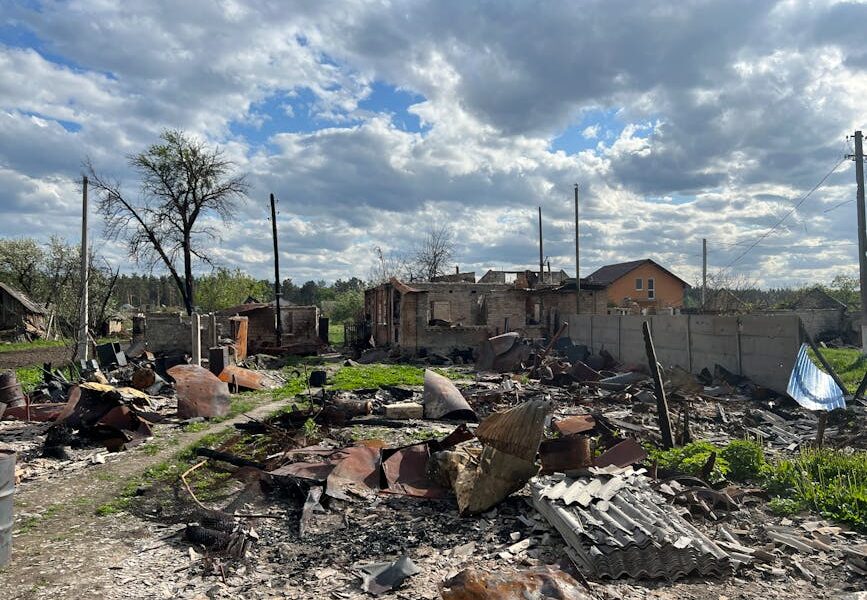
The overnight raids spared Beirut but pummeled the countryside. In the southern town of Arab Salim, a man and his wife died when their home was hit. Two more were killed in the village of Kauthariyet El Rez. In Mashghara, the destruction was particularly brutal. Social media footage, unverified but haunting, showed entire streets swallowed by fire, with buildings reduced to smoldering piles of concrete and twisted metal. Rescue workers searched through the wreckage by flashlight, pulling out 11 bodies and treating 15 wounded.
Why This Matters Beyond the Border
This is not just another chapter in the long and bloody history of Israel-Hezbollah enmity. It is a stress test for regional diplomacy. The ceasefire was meant to create space for negotiations between the US, Israel, and Iran over a broader end to the war. Every violation—every drone launch, every airstrike—tightens the knot, making a political solution more elusive. Hezbollah, for its part, claimed it targeted three Israeli barracks and a military post “in response to the violation of the ceasefire.” The cycle is spinning faster than mediators can keep up.
What often gets lost in the headlines of bomb yields and body counts is the lived reality for civilians on both sides. In northern Israel, communities have become accustomed to the wail of sirens and the sprint to shelters. In southern Lebanon, entire villages are emptying out. The people of Mashghara, like so many others, are caught between the strategic calculations of two heavily armed adversaries. Their homes are not military targets—they are the collateral damage of a war that refuses to end. For more on the broader regional impact, see In Lebanon’s Bekaa Valley, a Village Pays the Price for a Ceasefire Unraveling at the Seams.
What Comes Next?
The Israeli military has issued new evacuation orders across Lebanon, warning that it will continue to strike what it calls “Hezbollah infrastructure sites where terrorist activity was identified.” Hezbollah shows no sign of backing down. The region is once again on a knife’s edge, and the tragic irony is that both sides claim they are acting in self-defense. Until that logic is broken, the rubble of Mashghara will not be the last. For context on the fragile ceasefire dynamics, read Iran’s Fragile Ceasefire Hangs by a Thread as US Strikes Undermine Doha Talks. For external analysis, see BBC Middle East coverage and Al Jazeera Lebanon updates.