For decades, public health officials treated human diseases in isolation, rarely glancing at the animals we raise or the ecosystems we destroy. That siloed thinking is rapidly becoming a luxury the planet can no longer afford. On World Health Day 2026, the World Health Organization and France did not simply reaffirm a philosophy—they launched a concrete action plan designed to turn the One Health concept from academic talk into frontline defense.
A Summit with a Shift in Gear
Held in Lyon, the One Health Summit marked a departure from previous gatherings. Instead of producing another declaration destined for a shelf, the event announced several high-impact initiatives aimed at breaking down the walls between veterinary science, environmental policy, and human medicine. The underlying message was urgent: climate change, the rise of zoonotic diseases, and widening health inequities are not separate crises—they are symptoms of a single, broken relationship between people, animals, and the planet.
The New Initiatives: From Theory to Triage
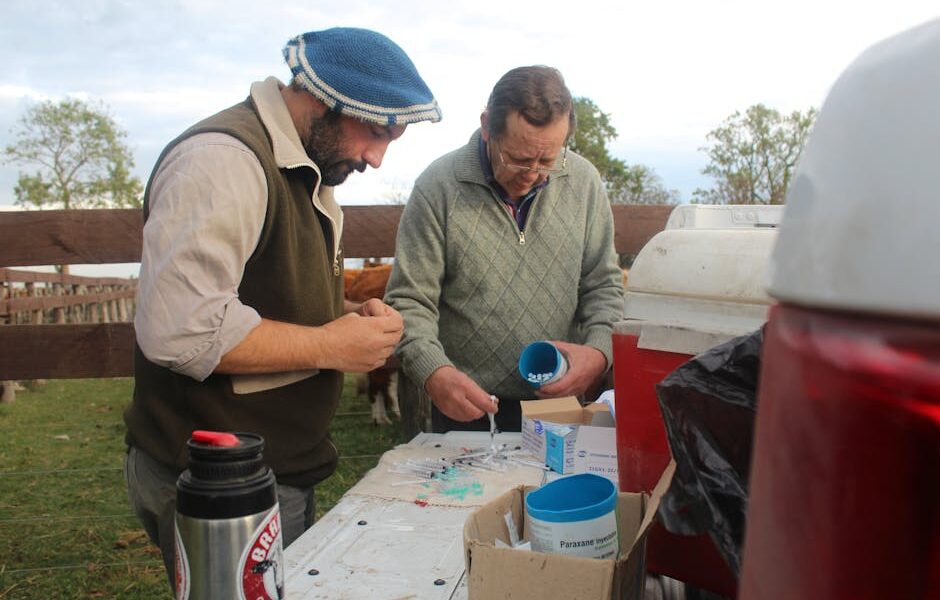
Among the most concrete outcomes was a pledge to establish cross-sector surveillance hubs in biodiversity hotspots, regions where the next pandemic is statistically most likely to emerge. These hubs will link wildlife monitoring, livestock health reporting, and human clinical data in real time. France committed significant funding to pilot programs in West Africa and Southeast Asia, with the aim of detecting spillover events before they become outbreaks.
Another key announcement was the creation of a One Health Financing Facility, designed to help low- and middle-income countries invest in preventive measures—such as safe livestock markets, wetland preservation, and community health worker training—rather than waiting to pay for expensive containment later. The logic is simple: a dollar spent on surveillance is worth a hundred spent on lockdowns.
Why This Matters in Your Daily Life
Most people do not think about zoonotic diseases until a new virus makes headlines. But the One Health approach is not just about pandemics. It is about the resilience of your food supply, the safety of your drinking water, and the stability of the climate your children will inherit. When a poorly managed pig farm in one country spills antibiotics into a river, it creates resistant bacteria that can travel the world in a matter of weeks. When deforestation forces bats closer to human settlements, the risk of a new Nipah or Ebola variant increases. These are not distant problems—they are the unintended consequences of ignoring how closely our health is tied to the health of every other living thing.
Original insight: Perhaps the most transformative, yet underreported, element of the Lyon summit was the explicit recognition that “health” can no longer be treated as a purely biological concept. The new initiatives embed economic, social, and environmental justice into the same framework. For example, the financing facility includes requirements for community consent and benefit-sharing with Indigenous groups whose lands often serve as critical buffers against disease emergence. This is a quiet revolution: it acknowledges that protecting a forest is a public health intervention, and that respecting the knowledge of local herders is as important as running a lab. If this principle takes hold, it could fundamentally reshape how we fund clinics, farms, and conservation efforts alike.
Beyond the Silos: A Historical Pivot
The One Health concept itself is not new—ancient physicians noted links between animal plagues and human illness. But for the better part of the 20th century, specialization ruled. Veterinary schools and medical schools rarely shared curricula. Environmental agencies and health ministries competed for budgets. The COVID-19 pandemic, widely believed to have originated in a wildlife market, exposed the fatal flaw in this fragmentation. The 2026 summit represents a long-overdue institutional pivot. It is no longer enough for the WHO to talk about One Health; it must now fund it, staff it, and measure it.
The Road Ahead: Challenges and Caveats
Despite the optimism, significant hurdles remain. Critics point out that the initiatives lack binding enforcement mechanisms—they are agreements, not treaties. Funding commitments, while generous, are still dwarfed by what the world spends on treating chronic diseases after they emerge. Furthermore, implementing One Health requires deep collaboration between sectors that have historically been territorial. A veterinarian and a climatologist must learn to speak a shared language, and ministries must rewrite budgets that have been locked in place for decades. The summit provided a blueprint, but the actual construction will be far messier.
Still, there is reason for cautious hope. The France-WHO partnership has signaled that high-income countries are willing to anchor long-term investments in prevention rather than reaction. The initiatives announced in Lyon are small in scale today, but they are designed to be replicable and scalable. If they succeed, they could become the model for how humanity finally learns to protect itself by protecting the world it lives in.