In a country where political satire often walks a tightrope between humor and heresy, a new digital movement has gone from absurdist joke to genuine protest vehicle in under two weeks. But its creator says the Indian government is now trying to snuff it out.
Abhijeet Dipke, a student at Boston University, launched the Cockroach Janta Party (CJP) as an online spoof of the ruling Bharatiya Janata Party. The name was a direct rebuke to a remark by India’s Chief Justice Surya Kant, who earlier this month likened unemployed youth to cockroaches. Within days, the CJP’s Instagram account racked up over 22 million followers — more than double the BJP’s own following. But on Saturday, Dipke announced that the group’s official website had been taken down by government authorities.
From Satirical Spark to Political Lightning Rod
What began as a cutting joke — the initials CJP are a playful twist on the BJP — quickly tapped into a deep well of public anger. The movement has become a rallying point for young Indians frustrated by a stagnant job market, rising exam scandals, and what they see as a government tone-deaf to their struggles. Dipke’s petition calling for the resignation of Education Minister Dharmendra Pradhan has already garnered 600,000 signatures, following allegations that medical entrance exam papers were leaked, forcing a cancellation.
“Those in power think citizens are cockroaches and parasites,” Dipke told Al Jazeera earlier this week. “They should know that cockroaches breed in rotten places. That’s what India is today.”
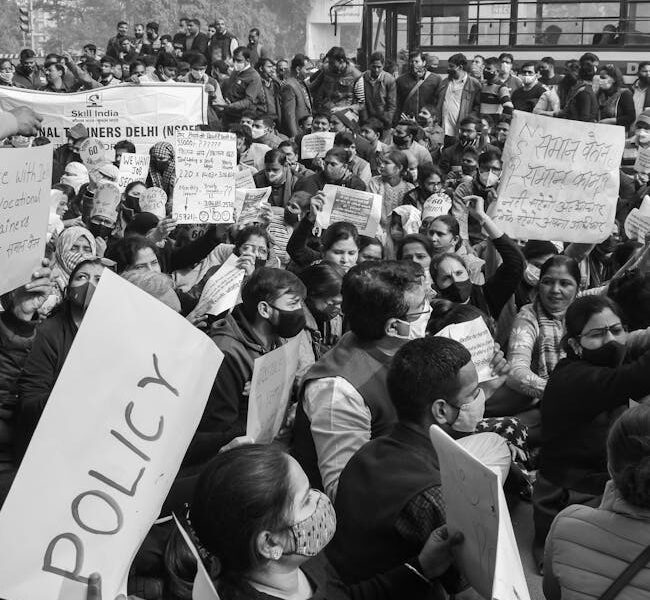
The message clearly resonates. According to Dipke, over one million people have signed up to join the movement in just one week. Protests have erupted across the country, demanding Pradhan’s resignation and, more broadly, accountability from a government many accuse of prioritizing image over substance.
Digital Censorship or Standard Procedure?
The takedown of the CJP website raises uncomfortable questions about freedom of expression in the world’s largest democracy. While the government has not officially commented, critics argue that targeting a satirical site — especially one born from a top judge’s own words — signals a shrinking space for dissent. Dipke also claims that his personal Instagram account and the CJP’s account were hacked, though he offered no direct evidence linking the attacks to state actors.
Whether or not the government orchestrated the digital shutdown, the perception that it did is, in many ways, just as damaging. For millions of young Indians already feeling disenfranchised, the message is clear: mock the powerful at your own risk.
The Real Issue Beneath the Satire
Lost in the uproar over a cockroach-themed political party is a more fundamental crisis. India’s unemployment rate among young people has been stubbornly high for years. The country produces millions of graduates each year, but the economy struggles to generate enough quality jobs. When a top judge casually compares jobless youth to pests, he validates a sense of betrayal that runs deep.
The CJP’s viral success is not just about a clever name or a funny logo. It’s about a generation that feels ignored, infantilized, and insulted by the very institutions that should be lifting them up. Satire is a survival mechanism, but when it galvanizes a million people in a week, it becomes something more: a signal that patience has worn thin.
Meanwhile, Chief Justice Kant has since clarified his remarks, saying he was referring to people who obtain fraudulent degrees, and called the country’s youth “the pillars of a developed India.” But the damage was done — and the cockroach, once freed from the cabinet, is not easily put back.