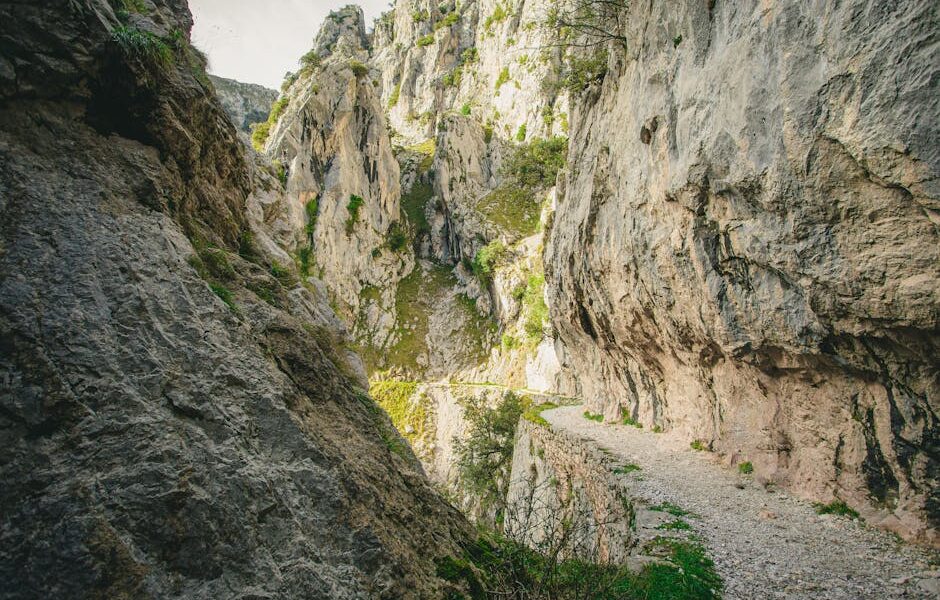
When we dream of walking the Inca Trail to Machu Picchu, we picture golden ruins emerging from mist, a sense of triumph, and snapshots for a lifetime. Rarely do we consider the thin wooden railings, the loose gravel underfoot, and the sheer drop-offs that make this bucket-list hike as treacherous as it is beautiful. The recent death of an Australian man, 53-year-old Matthew Cameron Paton, who fell roughly 300 meters into a ravine near a section known as the “50 Gradas,” is a grim reminder that adventure travel carries real, physical stakes.
The Details of a Routine Trek Turned Tragic
According to Peruvian authorities, Paton had arrived in Cusco about twelve days before the incident with his wife, likely to acclimatize for the high-altitude trek. On the day of the fall, he was hiking with a group accompanied by a guide. At some point near a wooden bridge, he apparently tripped. Police General Virgilio Velasquez told reporters that Paton likely reached for the wooden railing to steady himself, but the railing gave way, sending him into the abyss.
Rescue teams from the High Mountain Rescue Unit in Cusco found his body on Thursday, roughly 300 meters below the trail. The broken railing marks the spot where a vacation turned into a recovery operation. Police have since launched an investigation into the cause of the fall, and his body is expected to be transferred to a nearby town.
The Human Cost Behind a Police Career
Beyond the headlines, Paton was more than a tourist. He was a member of the Police Association of Victoria in Australia, where he served as an Assistant Delegate and worked in training. In a statement, the association expressed shock and sadness, noting that his contribution to policing was marked by a deep care for his colleagues. His wife, who was traveling with him, now faces the bleak logistics of repatriating his remains and processing a loss that occurred on what was meant to be a shared adventure.
An Expert Perspective on Trail Infrastructure
This tragedy raises a question that often goes unasked by travelers: How safe are these famous paths, really? While the Inca Trail is managed by the Peruvian government and requires permits and guides, infrastructure like guardrails, bridges, and signage can vary dramatically in quality. Safety standards that might be taken for granted on, say, a national park trail in the United States or Australia are not always present in remote, high-altitude regions of the Andes.
Mountain guide and safety consultant Raúl Huamán, who has worked on Peru’s trails for over a decade, notes that wooden structures in these climates are subject to rot, erosion, and extreme temperature swings. “A railing that looks sturdy at first glance might be structurally compromised by humidity or insect damage,” he explains. “Guides often warn clients to stay away from edges, but they cannot control every foot placement.”
For the average hiker, the takeaway is not to avoid iconic treks, but to approach them with a heightened sense of personal responsibility. This means checking recent reviews of trail conditions, asking guides directly about the safety of bridges and railings, and, critically, trusting your instincts. If a railing looks flimsy, keep your center of gravity low and step wide of the edge. No photo is worth the risk of a 300-meter fall.
A Broader Context of Travel Risk
Paton’s death is not an isolated event. Every year, travelers die in falls, landslides, and weather-related incidents on trails around the world — from the narrow paths of Cinque Terre in Italy to the exposed ridges of New Zealand’s Tongariro Alpine Crossing. The difference is often scale and accessibility. Machu Picchu draws over a million visitors annually, and the sheer volume of foot traffic can mask how inherently dangerous the terrain is.
The Peruvian government has invested heavily in maintaining the Inca Trail, but budget constraints and the challenge of working at altitude mean that some repairs lag behind. In many sections, the trail itself is narrow, uneven stone — and the only thing between you and a drop is a line of tourists in front of you.
Remembering Matthew and Moving Forward
As the Australian Department of Foreign Affairs and Trade works with Peruvian authorities to facilitate the return of Paton’s remains, the travel community is left to reflect. For those planning to walk the Inca Trail, this story should not inspire fear so much as vigilance. Check your travel insurance covers high-altitude trekking. Pack a first aid kit, even if your guide carries one. And never assume a handrail is safe just because it is there.
Matthew Paton wanted to see the lost city of the Incas. He never made it. But his story serves as a cautionary tale for everyone who steps onto that ancient path: the view is eternal, but your footing is only a moment.