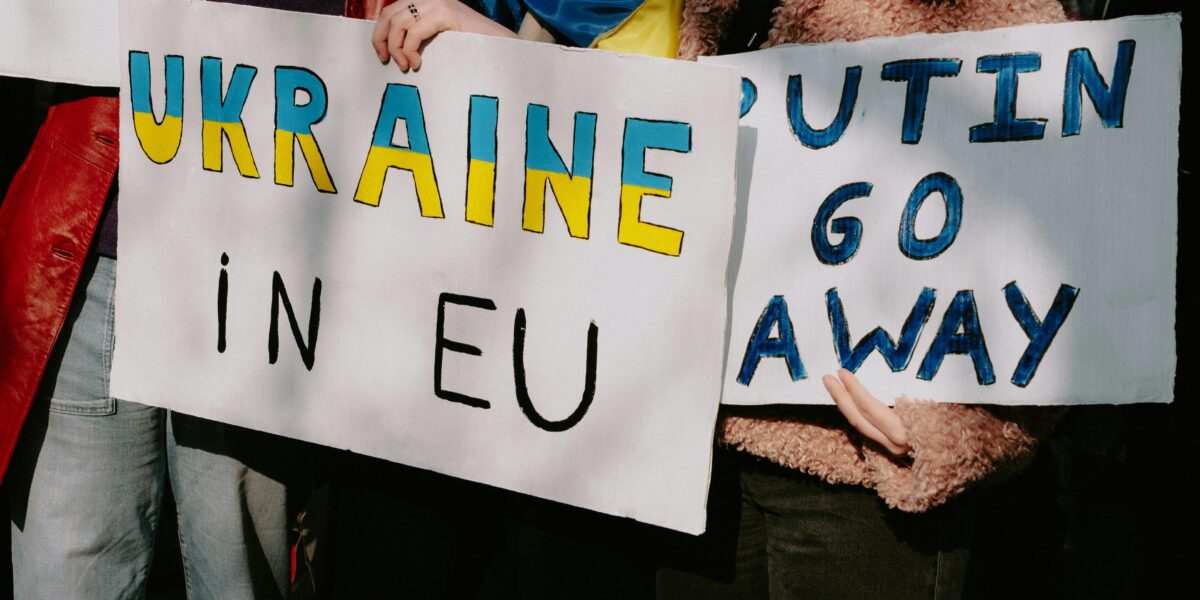
For years, the dream of joining the European Union has felt like a distant, almost abstract goal for Ukraine — something to be pursued once the guns fell silent. But this week, President Volodymyr Zelenskyy made it clear that he believes the moment for action has arrived, even as the war with Russia rages on. In a direct appeal to EU leaders, he argued that now is the time to begin full accession talks, dismissing any talk of interim arrangements as a second-class deal that would leave his country without a real voice at the table.
The timing of this push is no accident. With Hungary’s former Prime Minister Viktor Orban — long a roadblock to Ukraine’s aspirations — ousted in last month’s elections, a significant political obstacle has been removed. For years, Budapest used its veto power to stall Kyiv’s progress, often citing concerns over minority rights while maintaining closer ties with Moscow. That dynamic has now shifted, and Ukraine is moving quickly to seize the opportunity.
Associate Membership: A Step Forward or a Trap?
Zelenskyy’s letter to EU leaders specifically criticized the idea of associate membership — a status that would grant Ukraine some economic integration but deny it voting rights. In his view, that arrangement would leave Ukraine essentially “voiceless,” unable to advocate for its own interests in critical debates on security, trade, and future EU expansion. It’s a framing that resonates with many Ukrainians who have sacrificed so much for the country’s sovereignty and want full partnership, not a watered-down compromise.
This is more than just procedural wrangling. For a country fighting for its very existence, the question of membership is deeply symbolic. Full EU membership would represent not just a political victory but a definitive break from Russia’s sphere of influence and a concrete step toward the European future Ukrainians have long demanded. Associate status, critics argue, would keep Ukraine in a kind of geopolitical limbo — close but not quite in, dependent but not decisive.
On the Ground: Ukrainian Advances and Russian Setbacks
While these diplomatic maneuvers play out in Brussels, the situation on the battlefield continues to evolve. Zelenskyy announced that Ukraine has retaken nearly 600 square kilometers of territory since the beginning of the year — a clear sign that the momentum is not entirely on Russia’s side. According to Kyiv, approximately 86,000 Russian soldiers have been killed in 2026 alone, with tens of thousands more wounded or captured.
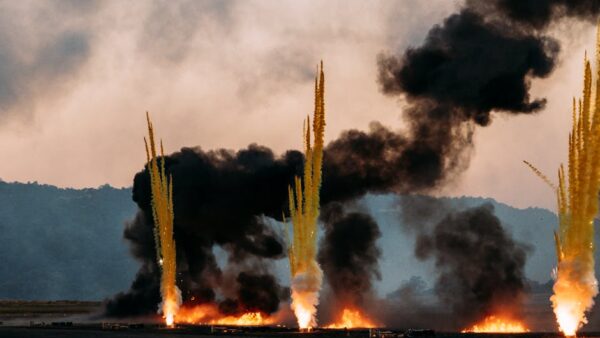
Ukraine has also stepped up long-range strikes deep inside Russian territory, targeting infrastructure that fuels Moscow’s war machine. Last week, drones hit the Metafrax Chemical plant in the Perm region — a facility that supplied components for missile engines, aircraft, and explosives. Another strike ignited a fire at an oil terminal in the Black Sea port of Novorossiysk, while a refinery in Yaroslavl was also attacked. These operations mark a deliberate strategy: hitting Russia where it hurts, far from the front lines, in order to degrade its military capacity and economic stability.
“Ukraine’s positions are stronger now than in previous years,” Zelenskyy stated. “The trend is certainly not in the occupier’s favor.”
The Propaganda Battle: A Deadly Incident in Starobilsk
Not all the news is clear-cut. Russia has accused Ukraine of striking a student dormitory in the occupied town of Starobilsk, claiming 12 people were killed and dozens more wounded. Moscow’s emergency ministry reported that around 48 people were caught in the attack, with nine still trapped under the rubble. President Vladimir Putin has ordered retaliatory measures, and Russia’s foreign ministry promised the perpetrators would face “inevitable and severe punishment.”
Ukraine, however, denied the accusation. Kyiv insists its forces targeted an elite drone command unit in the area, not a civilian building, and that it continues to comply with international humanitarian law. In the fog of war, such competing narratives have become routine — but the human cost is undeniable. Each casualty, whether military or civilian, deepens the chasm between the two sides and complicates any eventual peace talks.
Original Insight: Why Zelenskyy’s EU Gambit Is About More Than Politics
There’s a strategic logic to Zelenskyy’s timing that goes beyond the ouster of Orban. By pushing for EU accession now — while Ukraine is still actively liberating territory and inflicting heavy losses on Russian forces — he is effectively trying to lock in a favorable Western commitment before the battlefield landscape shifts again. Military analysts believe Russia may be preparing a new offensive in the coming months. If that happens, and Ukraine is forced onto the defensive, its bargaining position in Brussels could weaken. By demanding full membership now, Zelenskyy is asking Europe to formalize its support before the next crisis hits.
This is a high-stakes calculation. It assumes that EU leaders, moved by Ukraine’s resilience and the symbolic weight of its sacrifices, will be willing to accelerate a process that normally takes years, if not decades. But it also acknowledges a hard truth: that without a concrete political anchor, continued Western aid could wane as war fatigue sets in. Membership is the ultimate vote of confidence — and Zelenskyy wants it while the iron is hot.
What Comes Next?
Brussels is unlikely to make a snap decision. Even without Orban’s obstruction, many member states remain cautious about rapid expansion, wary of the economic and political implications of absorbing a country at war. But Ukraine’s argument is simple: we have proven our commitment to European values on the battlefield. Now, we need you to prove yours.
Meanwhile, the war grinds on. Ukrainian forces continue to target Russian supply lines and industrial hubs, while Moscow regroups for what many expect will be another major offensive. The coming months will test not only the resilience of Ukraine’s military but the strength of its political vision.
For now, Zelenskyy has made his move. The ball is in Europe’s court.