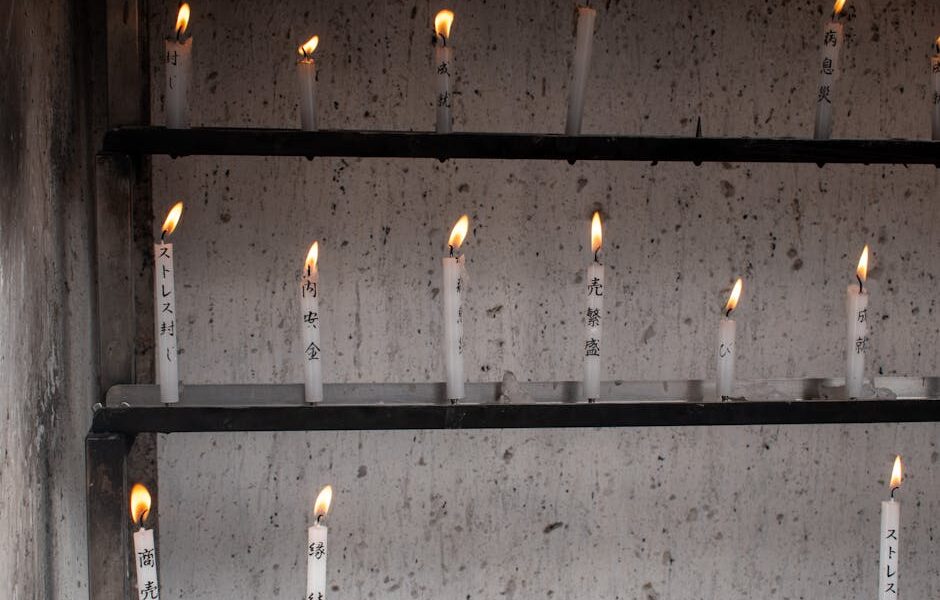
On a small island in Hiroshima Prefecture, a fire that had been carefully tended for over a millennium outlasted the building that housed it. The Reikado Hall, part of the Daishoin Buddhist temple complex on Miyajima, was destroyed by flames earlier this week — but the sacred ‘eternal flame’ it contained lives on.
The blaze broke out on Wednesday morning and was finally extinguished by Thursday, according to local authorities. While the structure itself, known for holding a fire said to have burned continuously for roughly 1,200 years, was reduced to ash, temple officials managed to relocate the precious flame to a safe location before the damage became catastrophic. Preliminary reports suggest the fire may have originated from the very flame the hall was built to protect.
A Cycle of Destruction and Preservation
This is not the first time the Reikado Hall has faced such a fate. In 2005, the same building was consumed by flames — and again, the eternal fire was safeguarded. That pattern raises an intriguing question: how do you protect a fire from itself? For the priests of Daishoin, the answer has been vigilance and quick action, preserving a ritual that predates Japan’s feudal era.
The eternal flame is a powerful symbol in Japanese Buddhism, representing the unbroken transmission of teachings and the presence of the divine. Its survival through two major fires adds a layer of resilience to its legend, turning a tragedy into a testament of faith.
More Than a Tourist Attraction
Miyajima, known for its iconic ‘floating’ torii gate, draws millions of visitors each year. The Reikado Hall was a quieter stop on the island, but no less significant. For locals, the flame is not just a curiosity — it is a living link to their ancestors. Many believe the fire was kindled by the monk Kobo Daishi in the 9th century, and its smoke is thought to purify and heal. The loss of the hall is a cultural blow, but the preservation of the flame offers a sense of continuity.
Expert Perspective: The Fragility of Sacred Heritage
Dr. Yuki Tanaka, a professor of religious studies at the University of Tokyo who was not involved in the temple’s operations, notes that such events highlight a broader challenge. “We often think of historical sites as permanent, but they are surprisingly vulnerable,” she says. “The real heritage is the practice, not the building. As long as the flame burns, the tradition survives.” This perspective reframes the disaster: rather than a loss, it is a reminder that cultural heritage lives through action, not architecture.
The temple now faces the task of rebuilding once again. Community fundraising efforts are expected to begin soon, and the flame will likely be housed in a temporary shrine until a new hall is completed. For now, the eternal fire continues to flicker — a small, stubborn light against the darkness of loss.
In a world where fire often symbolizes destruction, this story offers a counterpoint: fire as a vessel of memory, undimmed by the collapse of its earthly home.