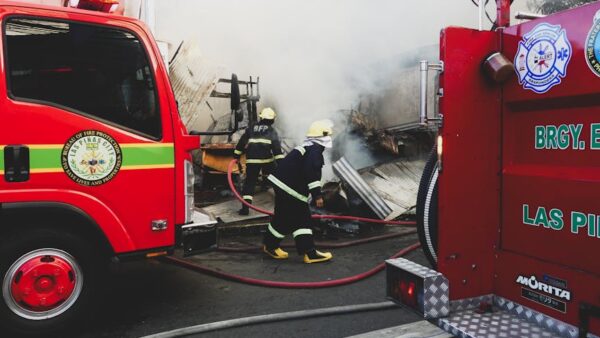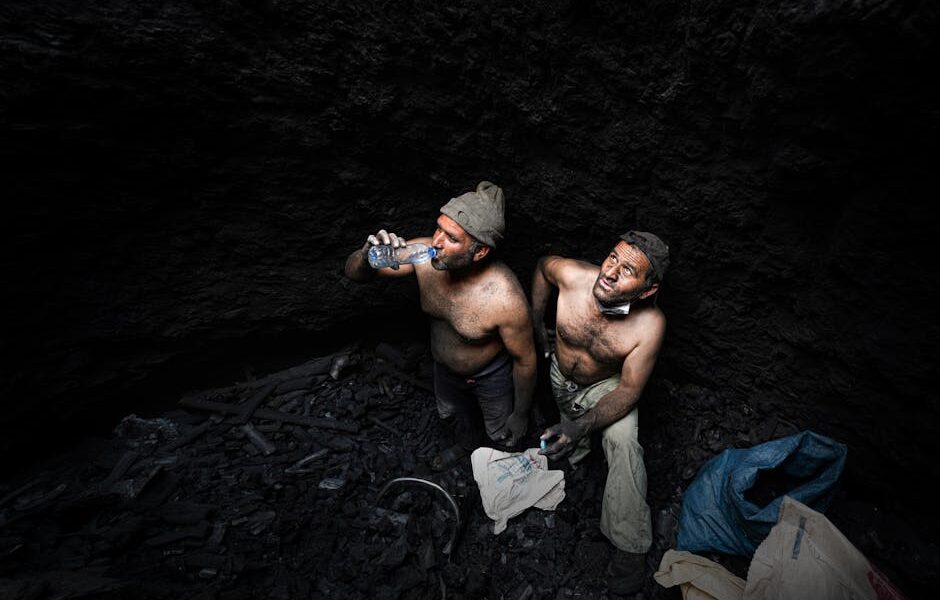
Late Friday night, a gas explosion ripped through the Liushenyu coal mine in China’s Shanxi province, killing at least 90 workers and leaving nine others missing. The blast occurred while hundreds of miners were working underground, turning a routine shift into one of the deadliest mining disasters in recent Chinese history. President Xi Jinping has ordered all-out rescue efforts, and authorities have detained a company official as part of an ongoing investigation.
Why this disaster feels all too familiar
For anyone following China’s mining sector over the past two decades, the headlines carry a painful echo. The Liushenyu explosion is not an outlier—it’s part of a pattern. Despite repeated promises from Beijing to tighten safety regulations and shutter unsafe mines, the country continues to suffer catastrophic losses underground. According to data from China’s National Coal Mine Safety Administration, there were more than 170 mining accidents in 2024 alone, claiming over 300 lives. And while the government has made strides in reducing fatalities since the 2000s, the numbers remain stubbornly high compared to global standards.
What makes the February 23 blast particularly troubling is the sense that it was preventable. Gas explosions are the most common cause of deadly mining accidents in China, and decades of engineering knowledge exists on how to manage methane buildup. The question investigators will have to answer is whether the Liushenyu mine followed proper ventilation protocols, or whether production targets were once again prioritized over worker safety.
The human toll behind the statistics
Ninety confirmed dead. Nine still missing. Those numbers are staggering enough, but they represent real people—miners who likely knew the risks and went to work anyway. In Shanxi, a province that supplies nearly a quarter of China’s coal, mining is not just a job; it’s a generational livelihood. For every miner who died, there is a family left without a breadwinner, a community that will hold funerals for weeks, and a local economy that will feel the ripple effects.
Rescue teams are still searching for the missing, though hopes are fading. The blast caused extensive damage to underground tunnels, making access difficult. Authorities have not yet released the names of the victims or the detained company official, but local media reports suggest the mine was operating under a license that allowed a daily production capacity of nearly 1.2 million tonnes annually—a scale that demands rigorous safety oversight.
What this means for China’s coal future
Beyond the immediate tragedy, this disaster forces a reckoning with China’s continued reliance on coal. While the country has made huge investments in renewable energy—solar, wind, and hydropower now account for over 30% of the grid—coal still powers about 60% of its electricity. The post-pandemic economic rebound, combined with energy security fears, has led Beijing to approve new coal mines even as it pledges to peak carbon emissions by 2030.
This creates a dangerous contradiction: the government calls for safer mines, but the market demands more coal. In many cases, mines are pushed to ramp up output without corresponding investments in safety infrastructure. The Liushenyu explosion is a grim reminder that when production pressure meets lax enforcement, workers pay the price with their lives.
Reform is possible. Australia, for example, saw a dramatic decline in mining fatalities after implementing strict independent safety audits and empowering workers to report hazards without retaliation. China could adopt similar measures—but that would require a cultural shift within the industry, where safety is still often treated as a cost rather than a value.
For now, families are mourning, rescue teams are digging, and investigators are sifting through debris. The true death toll may still rise. But if this disaster sparks a genuine conversation about what it means to mine coal safely in the 21st century, then perhaps some good can come from the darkness underground.