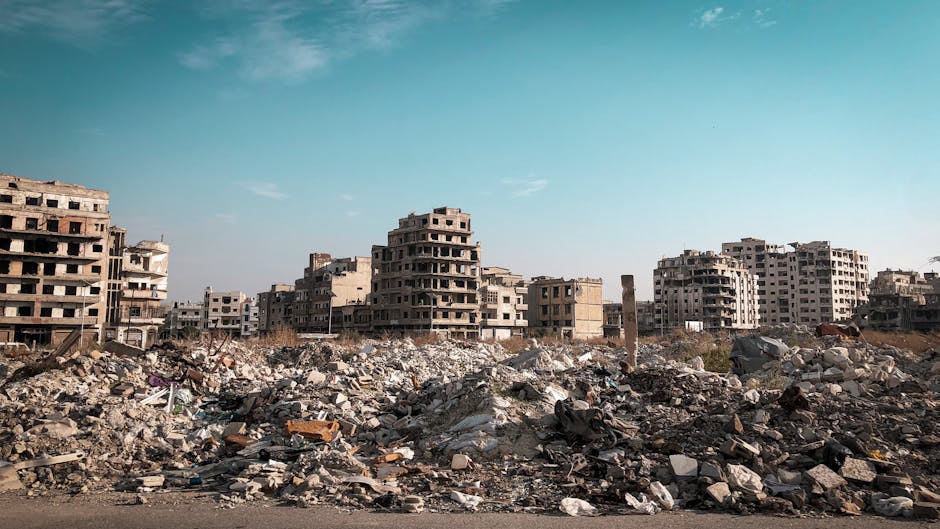
When the United Nations Security Council convenes its annual open debate on protecting civilians in armed conflict, the setting is familiar—the horseshoe table in New York, the interpreters in glass booths, the polished statements from member states. But the backdrop this year is something far more harrowing: a global toll that has reached a grim statistical milestone. According to the UN’s top humanitarian for crisis response, one civilian was killed every 14 minutes last year. That single number—96 victims per day, nearly 35,000 in a year—represents not just a statistic, but a fundamental failure of the international system designed to prevent such carnage.
From the Battlefield to the Breakfast Table
For most people, news of distant wars feels abstract—a headline about airstrikes in Gaza, shelling in Ukraine, or militia violence in Sudan. But when you reframe the data, the abstraction becomes disturbingly personal. Every 14 minutes, somewhere in the world, someone who woke up planning a birthday party, tending a garden, or walking a child to school is dead. The casualty count isn’t limited to combat zones; it includes refugees trapped in camps, medical workers trying to save lives, and families huddled in schools that were never designed for shelter. This year’s open debate is not merely about condemnation—it’s about accountability for a system that allows these deaths to continue.
Beyond the Headlines: The Humanitarian Toll
Ambassadors will hear reports of attacks on hospitals, schools, and water infrastructure. But the deeper story is one of erosion: international humanitarian law, the body of rules designed to limit suffering in conflict, is being systematically weakened. Parties to conflict increasingly see civilian infrastructure as legitimate military targets. In Syria, the bombing of bakeries became a strategy to starve populations. In Ukraine, missile strikes on power grids left millions without heat. This is not collateral damage—it is a pattern of weaponized human need. The UN has documented that one in three attacks on healthcare facilities globally last year was intentional, not accidental. That is not a mistake; it is a choice.
A Crisis of Political Will
The most striking aspect of the debate is not what is said, but what is not said. The Security Council, the very body meant to maintain international peace, is paralyzed by geopolitical divides. When a permanent member can veto any resolution, accountability becomes a fantasy. The open debate serves as a stage for member states to voice outrage, but without the muscle of enforcement—sanctions, arms embargoes, or referral to the International Criminal Court—these words ring hollow. The 14-minute death clock continues ticking not because of a lack of legal tools, but because of a lack of will to use them.
What Needs to Change?
Protecting civilians isn’t just about ceasefires or humanitarian corridors, though both are vital. It requires three concrete shifts:
- Accountability mechanisms: The international community must strengthen the capacity to investigate and prosecute war crimes, including attacks on civilian infrastructure. The current system, where only a handful of cases reach the ICC, is insufficient.
- Protecting aid workers: Last year, 238 humanitarian workers were killed—more than in any year in recent memory. States must ensure that those who deliver food, water, and medicine can do so without becoming targets.
- Ending impunity for state actors: When governments themselves bomb markets or hospitals, the rules of war mean nothing. The Security Council must find ways to hold even its own members accountable, perhaps through a dedicated civilian protection advisor or a standing investigative panel.
The Human Face of the Statistic
Behind every 14-minute interval is a story that won’t make the evening news. A teacher in Myanmar caught in crossfire. A pregnant woman in Yemen denied access to a clinic. A child in Gaza whose school was reduced to rubble. The annual debate offers a moment for the world to pause and ask: Are we willing to accept this as the new normal? The answer from civil society, from survivors, and from the humanitarians on the front line is a resounding no. The question is whether the diplomats in New York are ready to listen—and act—before another year passes, one 14-minute interval at a time.