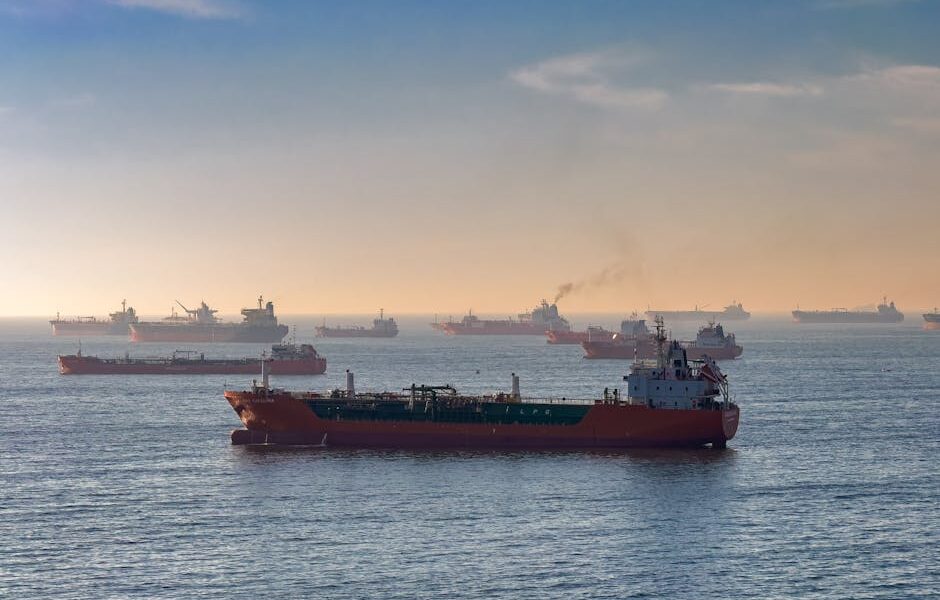
The world has been holding its breath for weeks, watching the oil tankers pile up and the price at the pump climb. The trigger? A shooting war in February that slammed shut the Strait of Hormuz, the narrow throat through which a fifth of the world’s petroleum passes. Now, as the war of words escalates between Washington and Tehran, a new, unexpected figure has stepped onto the stage: a soldier.
Pakistan’s army chief, Field Marshal Asim Munir, flew into Tehran late on a Friday night and went straight into a meeting with Iranian Foreign Minister Abbas Araghchi that stretched late into the evening. On the surface, this looks like a desperate effort to patch together a ceasefire that is already fraying at the edges. But dig a little deeper, and you find a fascinating piece of geopolitical chess.
The core problem is straightforward: both sides claim they want peace, but neither trusts the other an inch. Iran’s UN mission has publicly accused Washington of making what they call “excessive demands” — a diplomatic way of saying the US is asking for too much, too fast. Meanwhile, President Donald Trump, canceling even his own son’s wedding to stay in Washington, described the current talks as being on the “borderline” between a renewed bombing campaign and a deal. That’s not the language of a man expecting a handshake and a photo op.
The Quiet Power of the Middleman
Why Munir? Why now? The answer lies in a role Pakistan has played for decades: the reluctant, pragmatic broker. Pakistan has deep ties to the Gulf monarchies, a volatile border with Iran to the west, and a nuclear-capable military that gives it a seat at every serious table in the region. Munir’s visit isn’t just about shuttle diplomacy; it’s about signaling to Tehran that there is still a path that doesn’t end in rubble.
According to a readout from Araghchi’s Telegram channel, the pair “exchanged views on diplomatic efforts to prevent escalation.” That is diplomatic code for: “We are trying to stop this thing from spiraling into a full regional war.” And while Iranian spokesperson Esmaeil Baghaei was quick to pour cold water on expectations — warning that “deep and significant” disagreements remain — the fact that Tehran is still taking calls from Islamabad is itself a positive sign.
Let’s not kid ourselves: this is not a love story. Iran is furious about the US-Israeli strikes on February 28 that ignited this conflict. The US, in turn, is unwilling to reopen the Strait of Hormuz until it gets verifiable guarantees that Iran won’t re-mine it the second the last American warship leaves. That is the definition of a zero-sum standoff.
What the Headlines Miss: The Real Stakes for You and Me
This is where the usual news coverage falls short. We hear a lot about missiles and diplomacy, but the real pain is being felt far from the negotiating tables. The Strait of Hormuz closure has already triggered a supply crisis in global oil markets. That doesn’t just mean higher prices at the pump — it means higher costs for food, shipping, and manufacturing. For the average person in Europe, Asia, or the Americas, this Washington-Tehran standoff is quietly eating away at your paycheck. Every week the strait stays closed, the global economy takes a step closer to a recession that no one is talking about.
Meanwhile, Pakistan’s Prime Minister Shehbaz Sharif and his foreign minister flew to China — Iran’s biggest trading partner — for a four-day visit. The agenda? Explicitly, the crisis. Implicitly, a message to Beijing: “Your economy needs Iranian oil. Help us calm the waters.” This is a multi-front diplomatic effort, as Al Jazeera’s correspondent in Tehran noted, and it is moving on several tracks — Turkish, Omani, Qatari, and Iraqi foreign ministers have all been on the phone with Araghchi.
So, Is a Deal Coming?
Not yet. And maybe not this month. The silence from both capitals is deafening. But the presence of a general in Tehran, and a prime minister in Beijing, suggests that the back channels are humming. The next few days will tell us whether this fragile, painful process results in a real agreement — or just a pause before the next storm.