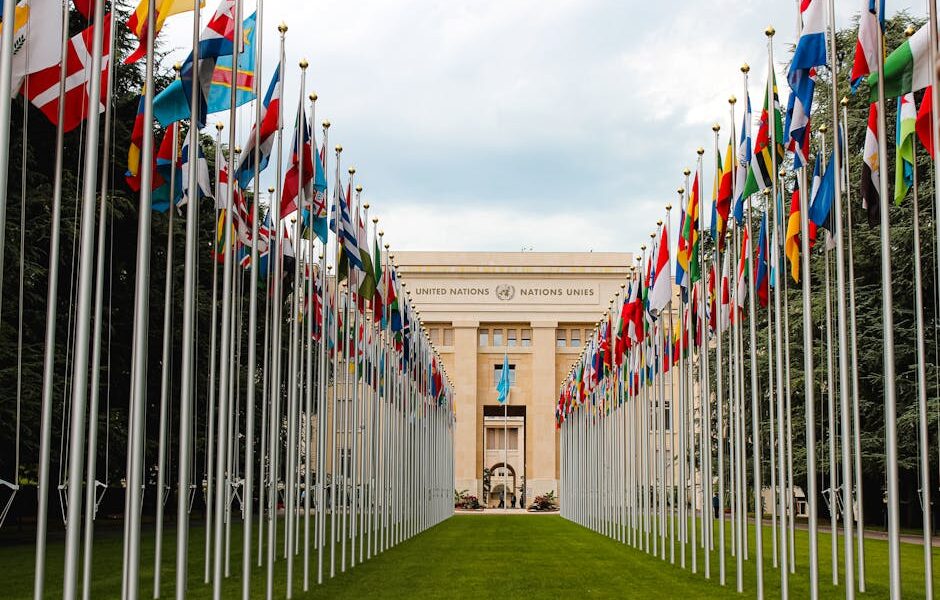
Global health diplomacy is rarely a sprint—it’s more of a marathon with endless committee meetings. This week in Geneva, negotiators at the World Health Organization once again found themselves in familiar territory: agreeing to disagree, and then agreeing to keep talking. The topic on the table is the Pathogen Access and Benefit Sharing (PABS) annex, a controversial piece of the broader WHO Pandemic Agreement that was supposed to be nearly finished by now. Instead, member states have asked for extra time—at least until mid-2026, possibly longer.
The core idea behind PABS sounds simple: if a country shares a dangerous new virus sample with the world, it should also get a guaranteed slice of the scientific payoff—like vaccines, tests, or treatments developed from that sample. During COVID-19, this didn’t happen. Low- and middle-income countries watched wealthier nations hoard protective gear and later monopolize vaccine production, even when the original viruses were detected in poorer regions. The PABS system is designed to prevent that from happening again. But the devil, as always, is in the details.
A Marathon, Not a Sprint
Negotiators wrapped up the resumed session of the sixth Intergovernmental Working Group meeting on Friday, acknowledging that despite “real progress,” significant gaps remain. The IGWG is expected to present its findings to the Seventy-ninth World Health Assembly later this month. But rather than finalizing a text, the Assembly will likely be asked to extend the working group’s mandate until the next Assembly in May 2027—or allow for a special session in 2026 if things move faster.
WHO Director-General Dr Tedros Adhanom Ghebreyesus tried to strike an urgent tone: “The next pandemic is a matter of when, not if.” His point is well taken. The longer the PABS annex remains unfinished, the longer the entire Pandemic Agreement sits in limbo—countries cannot ratify the main treaty until all its annexes are settled. And without ratification, there is no legal backbone for global cooperation on the next health crisis.
What Is Actually Being Argued Over?
Here’s where a little context helps. The sticking points are not about whether sharing is good—everyone agrees it is. The fights are over how much benefit is enough, who decides what’s fair, and what happens if a country reneges on its commitments. For instance, should a pharmaceutical company that uses a shared pathogen sample be forced to set aside a percentage of its profits or donate doses to the country of origin? And if so, should that obligation be legally binding or just a handshake agreement? On these questions, wealthy nations with big pharma industries have lined up against developing countries that worry they will be left empty-handed again.
Ambassador Tovar da Silva Nunes of Brazil, the IGWG co-chair, acknowledged the technical and legal complexity. “We are not there yet,” he said, “but with an extension, we will get there.” His co-chair, Mr Matthew Harpur, added that member states remain committed—a diplomatic way of saying no one is walking away, even if no one is ready to sign.
What This Means for You
It’s easy to tune out when diplomats talk about annexes and working groups. But this matters to every person who will be alive for the next pandemic—which Dr Tedros warns could come at any time. Without a functioning PABS system, the same inequities of COVID-19 could repeat themselves: wealthy countries locking down deals for doses while the rest wait. The agreement being hammered out in Geneva is, in essence, a promise that the next time a virus emerges, the rewards of science will not be hoarded by the few.
There is also a deeper, less discussed issue at play: trust. The COVID-19 pandemic shattered global trust in institutions like the WHO, especially when wealthy nations ignored its guidelines. The PABS annex is not just a technical document; it is a test of whether the international community can rebuild that trust through concrete, enforceable rules. If countries walk away from the negotiating table without a deal, the message will be clear: our systems are still broken. But if they finally cross the finish line—even if it takes another two years—they will have proven that cooperation is possible, even in a fractured world.
The next round of talks is scheduled for July 2026. That gives the world roughly 18 months to get this right. The clock is ticking.