The war between Iran and the United States has entered its 84th day, and while bombs continue to fall, a quieter but equally intense battle is unfolding in diplomatic corridors. The stakes are brutally clear: a medical research center lies in ruins, families dig through rubble for loved ones, and millions of ordinary people in Iran, Lebanon, and Palestine are caught in the crossfire of a conflict that shows no signs of a clean ending.
Yet, beneath the surface of daily airstrikes and drone losses, there are flickers of a possible way out. Pakistani mediators are shuttling between Tehran and Washington, carrying draft proposals and messages that might — just might — lead to a framework for peace. But the road is littered with obstacles, from America’s demand that Iran dismantle its nuclear program to Tehran’s insistence on an end to sanctions and military attacks.
The Human Cost: More Than Numbers
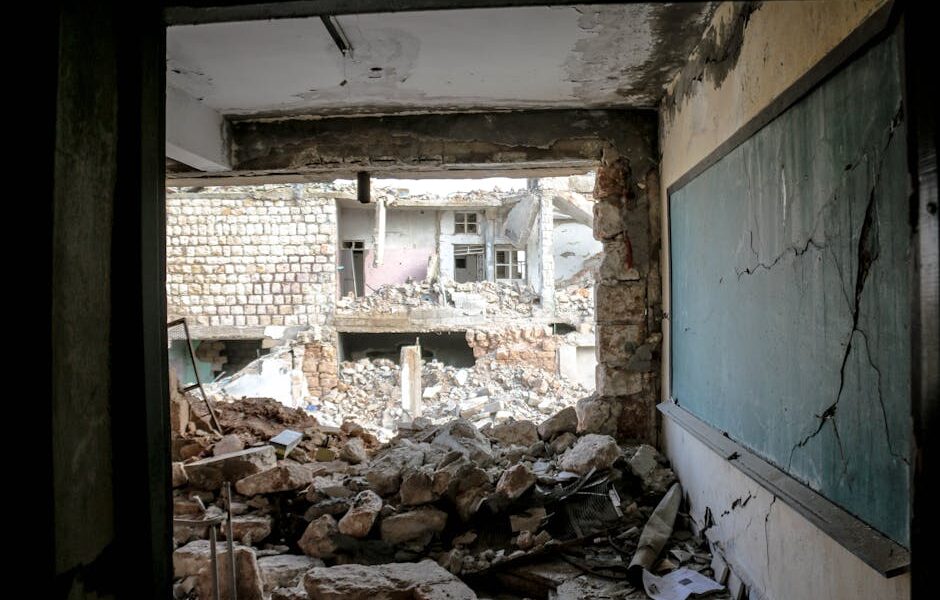
Behind every statistic is a story. Take the case of Raheleh, an Iranian mother who lost two children in the Minab school strike on February 28. Her face, captured by Reuters, is a gut-wrenching reminder that war is not a video game — it is a tragedy written in blood and tears. The Iranian Red Crescent has rescued over 7,200 people from collapsed buildings, but that number doesn’t include those who didn’t make it.
The bombing of the Pasteur Institute of Iran early in the war has been called a ‘war crime’ by Tehran. The Lancet warned that the attack crippled a vital pillar of Iran’s public health system. This is not just an act of destruction; it is a blow to the ability of a nation to respond to disease outbreaks, including potential biological threats. In a world still haunted by pandemics, this is a deeply reckless move.
Diplomatic Dance: Tightrope Without a Net
US Secretary of State Marco Rubio has acknowledged ‘some good signs’ in the talks, but he also warned that President Donald Trump is prepared to take ‘very drastic’ action if Iran refuses to give up its uranium stockpiles. That is the classic Trumpian negotiating style: a mix of carrot and nuclear-tipped stick. Meanwhile, Doug Bandow of the Cato Institute argues that both sides need to move beyond their entrenched ‘red lines’ on the nuclear issue. Compromise, he says, is the only way to avoid further escalation.
One senior Iranian official told reporters that negotiators are close to a deal and working on draft texts. Another source cautioned it was too soon to celebrate. This is the nature of back-channel diplomacy: optimism and skepticism are often two sides of the same coin. What is clear is that Pakistan is playing a crucial role. Senior Pakistani officials in Tehran are engaged in what Al Jazeera calls ‘intense mediation activity.’ This is a rare moment where a country not directly involved in the conflict is stepping in to try to prevent a broader catastrophe.
On the Battlefield: Drones and Readiness
The US Central Command (CENTCOM) says the USS Abraham Lincoln strike group is at ‘peak readiness’ in the Arabian Sea, with warplanes taking off daily. But the Pentagon is also grappling with significant losses. According to Bloomberg News, Iran has destroyed more than two dozen MQ-9 Reaper drones, valued at $1 billion — nearly 20 percent of America’s pre-war inventory. That is a real blow, not just financially, but in terms of surveillance and strike capabilities.
In a move that has raised eyebrows on Capitol Hill, the US has paused a $14 billion arms sale to Taiwan to ensure enough weapons are available for the campaign against Iran. Republican Senator Mitch McConnell called this ‘distressing,’ and it highlights a broader truth: the war is stretching US military resources thin.
Original Insight: The Quiet Shadow of Hezbollah
While most headlines focus on the Iran-US standoff, a parallel crisis is unfolding in Lebanon. The US has imposed sanctions on nine people accused of helping Hezbollah undermine Lebanese sovereignty and obstruct disarmament efforts. Among them are Lebanese politicians, security officials, and Iran’s ambassador-designate to Beirut. This is a reminder that Iran’s influence extends far beyond its borders. The war is not just about uranium; it is about regional power. Hezbollah is a key proxy for Tehran, and any peace deal will have to address the group’s role in Lebanon and its arsenal of rockets aimed at Israel. Ignoring this dimension would be like trying to fix a roof while ignoring a leaking pipe in the basement.
Gaza and the Humanitarian Nightmare
In Palestine, the situation continues to deteriorate. Israel carried out an airstrike that killed two people near the Lebanon-Israel border, and the US State Department has called for humane treatment of activists detained after attempting to break the Gaza blockade. Meanwhile, Palestine’s UN envoy Riyad Mansour warned that the world must not become ‘accustomed to seeing Palestinians killed.’ The blockade on aid is a collective punishment that affects more than two million people. This is not a side issue; it is a central component of the broader conflict.
As the 84th day of this war draws to a close, the question remains: will diplomacy succeed where bombs have failed? The mediators are talking, the drafts are being exchanged, and both sides are signaling a desire to avoid a wider war. But the trust deficit is enormous, and the ‘red lines’ are drawn in blood. The world watches, hoping that the next headline is not about another school strike, but about a ceasefire that holds.