For half a century, Warehouse One and Bootlegger were the go-to spots for Canadians hunting for a solid pair of jeans without breaking the bank. But as of this week, the final chapter is being written: all 128 locations across the country have launched liquidation sales, with Gordon Brothers — the century-old asset management firm — overseeing the process. While the 40% discounts might lure bargain hunters, the real story is about what this loss means for the fabric of Canadian retail.
More Than Just a Sale
The closures mark the end of an era for a brand that dressed generations. Warehouse One launched in 1976, offering durable denim for working Canadians. Bootlegger, its sister chain, followed a similar ethos but with a trendier edge. Together, they occupied a sweet spot: affordable quality that big-box stores couldn’t match and fast-fashion chains couldn’t replicate. Their departure leaves a hole in the market not just for jeans, but for the kind of reliable, mid-market shopping experience that’s increasingly rare.
Shoppers now see steep discounts — up to 40% off on everything from hoodies to sweats — but the savings come with a sting. All sales are final. And if you want that perfect fit, the advice from Gordon Brothers’ Managing Director Durien Sanchez is simple: shop early for the best selection. It’s a polite way of saying the racks will thin fast, and what’s left might not be your size.
Why This Matters Beyond the Clearance Racks
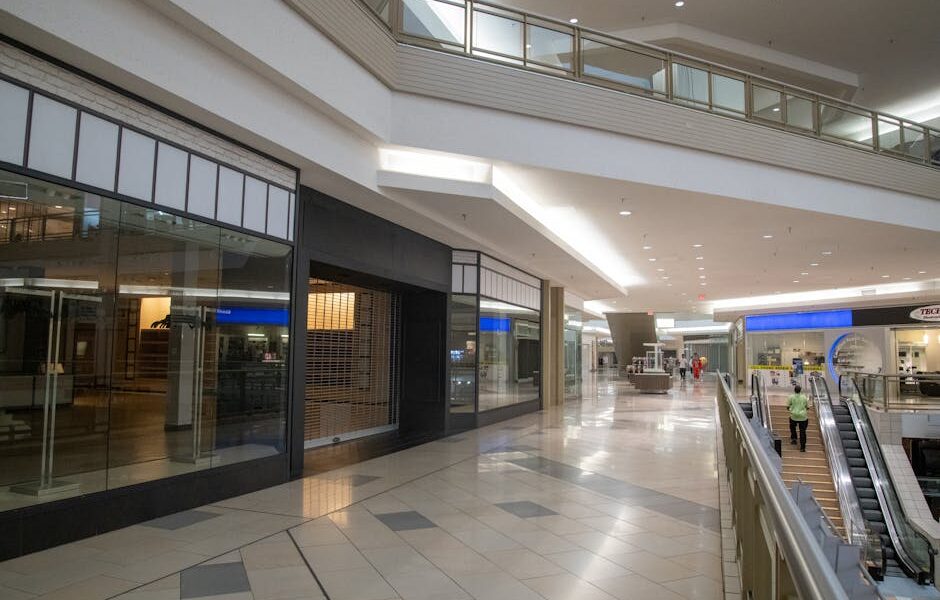
To understand the bigger picture, consider what these stores represented. In the 1980s and ’90s, Canadian shopping malls were anchored by homegrown chains like these. They weren’t flashy, but they were familiar. You knew the fit. You knew the staff. And you knew the jeans would last. Today, that middle ground is being squeezed by online giants like Amazon and ultra-cheap fast-fashion players. The result? A steady hollowing out of the kind of stores that once defined our shopping habits.
What’s particularly striking is the timing. We’re living through a moment when ‘retail apocalypse’ headlines have become routine, but this closure feels different. It’s not a mismanaged company going under; it’s a deliberate wind-down of a brand that, for many, was synonymous with back-to-school shopping and weekend errands. The real insight here is that the problem isn’t just e-commerce — it’s that mid-market denim brands like Warehouse One and Bootlegger lost their cultural relevance. They couldn’t compete with the Instagram-fueled hype of newer brands or the convenience of buying a $20 pair of jeans with free two-day shipping.
What Happens Next for Customers and Employees
For the thousands of loyal customers, the remaining days are a chance to snap up deals. But for the employees — many of whom have worked at these stores for years — the closure brings uncertainty. Gordon Brothers is a liquidation specialist, not a turnaround team. Their expertise lies in squeezing maximum value out of remaining inventory, not in saving jobs or preserving brand legacy. The company came to Canada to clear shelves, not to keep them stocked.
If you’re planning to visit a closing store, here’s what to keep in mind:
- Discounts start at 30% to 40% but will likely deepen as inventory thins. Wait too long, and sizes will be gone.
- All sales are final. No returns, no exchanges. Try before you buy.
- Check the websites for the nearest location — not all stores may have the same stock levels.
- Think of it as a final chance to grab a piece of Canadian denim history, not just a bargain.
In the end, the Warehouse One and Bootlegger closures are a quiet monument to how much retail has changed. The jeans might be on sale, but what we’re really losing is a kind of shopping experience that felt like home. And that’s not something you can put on clearance.