When the World Health Organization quietly updates its tally of suspected Ebola cases to 600, the number alone fails to capture the real story—a story of strained health systems, community fear, and a virus that thrives on human error. This isn’t just a statistic; it’s a warning flare from remote villages where clinics are overwhelmed and where every new fever could be a tipping point.
The Numbers Game: What 600 Suspected Cases Really Means
Health officials now warn that the figure is expected to climb higher. But ‘suspected’ is a crucial distinction. These are not all confirmed Ebola infections. They represent individuals showing symptoms like hemorrhagic fever—symptoms that could also be malaria, typhoid, or even common colds. In regions with limited diagnostic labs, every person with a high temperature becomes a potential vector. The WHO’s projection of more cases reflects not just virus spread, but also improved surveillance: as more teams reach remote areas, they inevitably find more people who’ve been sick for days or weeks.
Why This Outbreak Feels Different
Unlike the catastrophic 2014–2016 epidemic that killed over 11,000, today’s response benefits from vaccines and experimental treatments. Yet those tools are only as good as the supply chains that deliver them. A vaccine that requires ultra-cold storage can’t reach a village reachable only by motorcycle. This outbreak has resurrected old fears: that global health systems remain unprepared for the logistical nightmare of containing a viral haemorrhagic fever in conflict zones or regions with weak infrastructure. The current surge is a stress test—and early signs suggest we’re barely passing.
The Human Cost Beyond the Headline
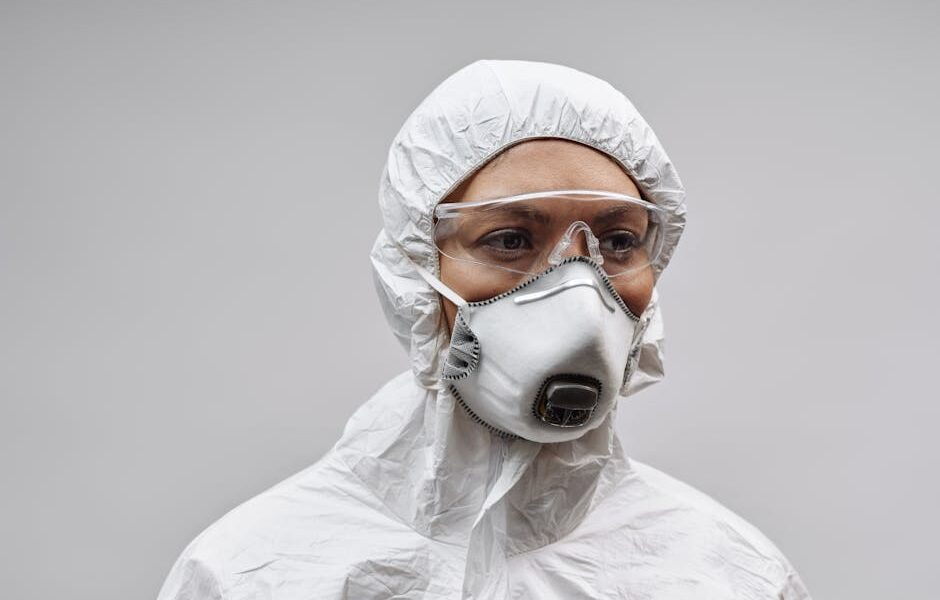
Behind each suspected case is a family waiting for news, a health worker risking their life with limited protective gear, and a community that may shun the sick out of fear. One survivor’s story, shared by aid workers, illustrates the collateral damage: a mother of four was turned away by two clinics before reaching a treatment centre, her children left alone for days. This is not just a medical crisis—it’s a crisis of trust, logistics, and systemic fragility.
What Must Change Now
- Decentralize testing: Rapid diagnostic tests that can be used in basic health posts, not just labs, are essential.
- Community engagement: Trust is eroding. Door-to-door education by local leaders can counter rumours that ‘Ebola is a hoax’ or that ‘treatment centres spread disease.’
- Cross-border coordination: Viruses ignore borders. The current hotspot is near a porous boundary, meaning suspected cases in one country could be the index patients in another.
An Expert’s Sobering View
Dr. Amara Kallon, an epidemiologist who worked on the West Africa outbreak, offers a perspective rarely heard in news alerts: ‘Every suspected case is a gamble. We lack the bandwidth to investigate each one thoroughly. So we triage—treat the seriously ill, hope the mild cases don’t turn into spreaders. It’s like fighting a fire with a garden hose.’ His comment highlights a grim reality: the world’s ‘Ebola readiness’ is often a mirage, polished by drills in wealthy capitals but invisible in places where the disease strikes hardest.
This latest WHO update should not be read as a simple count. It’s a reflection of a deeper, slower-moving emergency—one where the real number of infections is undoubtedly higher, where every delay in confirmation costs lives, and where the international community must decide whether to react with another temporary aid surge or finally build the resilient health systems that could prevent the next 600 from ever becoming a headline.