In a dramatic escalation that has seized the attention of Ankara, a court decision to remove the head of Turkey’s main opposition party has triggered a defiant standoff — one that its leader insists is not over. Özgür Özel, the embattled chairman of the Republican People’s Party (CHP), has planted himself firmly inside the party’s headquarters, vowing to remain despite a judicial order that declares him out of power.
A Show of Resistance
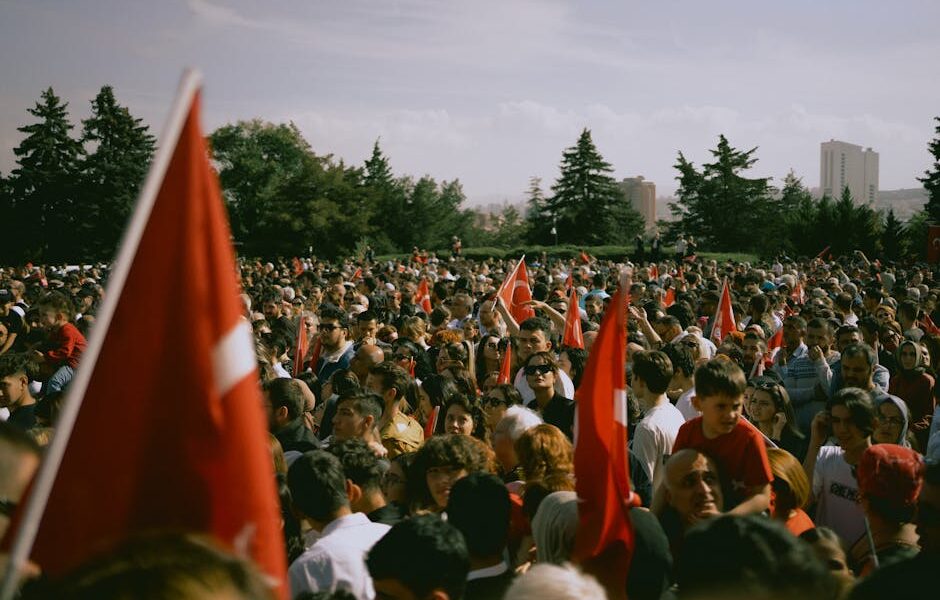
Speaking to supporters gathered outside the building in the capital, Özel did not mince words. He labeled the court’s ruling a “coup attempt” against his party, accusing judges and prosecutors of acting not as impartial arbiters of law, but as political operatives. His tone was one of defiance: the legal verdict might carry weight on paper, but he argued it lacked democratic legitimacy.
This is not merely a personal fight for one politician. It is the latest flashpoint in a deepening confrontation between Turkey’s elected opposition and the judiciary, a relationship that has grown increasingly tense under President Recep Tayyip Erdoğan’s administration. Critics say the courts have been weaponized to sideline dissent; supporters of the government insist they are simply applying the law.
Broader Context: A Pattern of Legal Challenges
To understand why this moment matters beyond the party’s own membership rolls, one has to look at recent history. Turkey’s judiciary has, over the past decade, banned political parties, jailed lawmakers, and invalidated election results. For the CHP — the party founded by Mustafa Kemal Atatürk and long seen as the bastion of secular opposition — each legal setback reinforces a narrative of democratic erosion.
Özel’s refusal to vacate his post echoes a global pattern: from Venezuela to Poland, opposition leaders have sometimes chosen civil disobedience over compliance with contested rulings. Yet the stakes in Turkey are uniquely high. The CHP remains the largest opposition bloc in parliament, and its leadership dispute could affect its ability to mount a credible challenge in the next national election, expected within two years.
Original Insight: The Danger of a Power Vacuum
What the court may have underestimated is the pragmatic cost of removing a sitting party chairman mid-stride. Turkey’s political landscape is accustomed to strong personalities — from Erdoğan himself to former CHP leader Kemal Kılıçdaroğlu. A sudden ouster, especially one perceived as illegitimate, risks fracturing the party into warring factions: those who demand strict adherence to the rule of law, and those who see the ruling as an existential threat requiring extra-legal resistance. Behind the scenes, party insiders whisper about a potential split, with younger reformists wary of further confrontation and older stalwarts ready to escalate. If Özel stays, Turkey may witness a dual-power scenario where the party physically occupies its building but legally operates in a gray zone — a recipe for confusion and, possibly, further court action.
What Happens Next?
Legal experts are divided. Some argue that the party can appeal the ruling and elect an interim leader, restoring order. Others warn that if Özel refuses for too long, he could face contempt charges or even arrest. For now, the CHP headquarters remains a fortress of political will — its leader behind closed doors, its supporters chanting slogans in the streets. Whether this standoff ends at the negotiating table or in handcuffs will shape Turkish politics for years to come.