On a humid Thursday in northern Honduras, two separate attacks turned routine moments—working the land and carrying out a police operation—into scenes of carnage. At least 16 people lost their lives, including ten farmworkers gunned down near a palm plantation in Rigores and six elite police officers ambushed in the coastal town of Omoa.
The tragedies, which unfolded hours apart, underscore a grim reality: Honduras remains a theater of unrelenting violence, where agrarian disputes, gang power, and a fragile state apparatus create a deadly cocktail. While authorities have promised swift retribution, the events raise urgent questions about whether the country’s latest security measures can hold.
A Massacre Under the Palm Trees
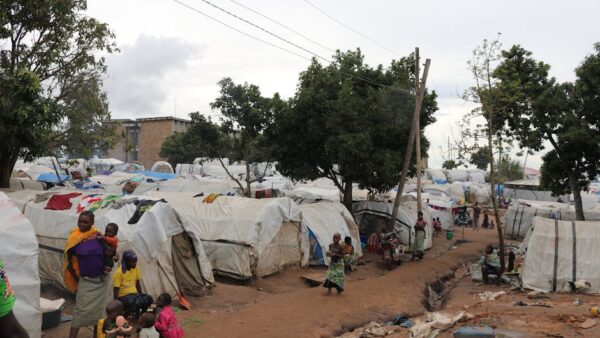
In the rural hamlet of Rigores, part of the municipality of Trujillo, armed men opened fire on agricultural workers with chilling precision. Witnesses described a chaotic scene where laborers, some wearing heavy rubber boots for fieldwork, were caught in a fusillade of bullets. Local media reported that three sisters were among the dead, and that the killers fired indiscriminately at people gathered near a church.
Police spokesperson Edgardo Barahona confirmed that at least ten workers were killed on the palm farm. But the final toll may be higher: stricken family members rushed to collect the bodies before investigators could fully process the scene, potentially compromising evidence. “We are verifying the exact number,” Barahona said, his voice strained.
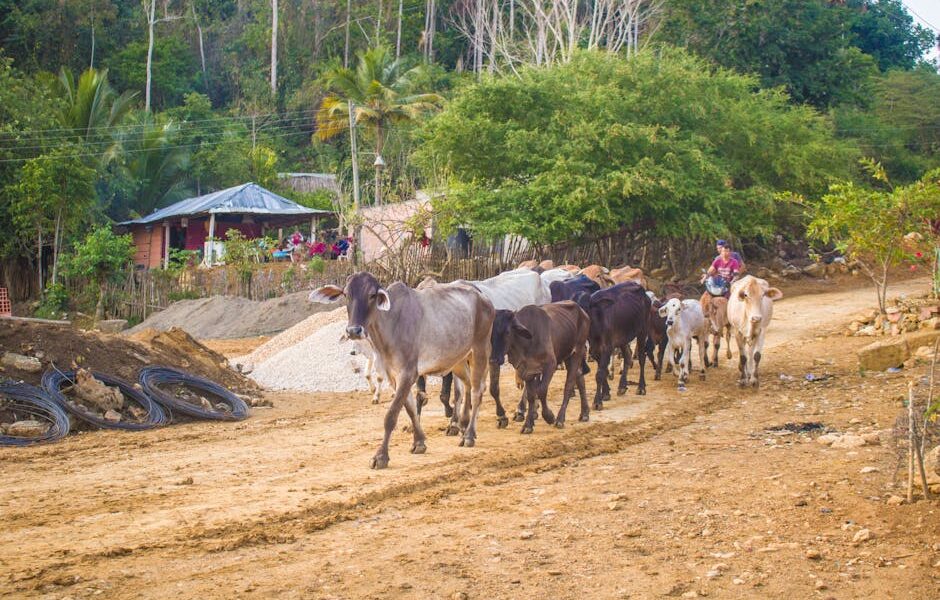
The attack fits a pattern of agrarian violence that has simmered for years in northern Honduras. Human rights groups have long warned that armed groups, often linked to powerful landowners or criminal syndicates, use intimidation and force to displace farmers from fertile land. The region, rich in African palm, cattle, and other cash crops, is a battleground for economic control.
Ambush of the Elite
Hours later, some 200 kilometers away in the department of Cortes, a different kind of assault unfolded. A team from the Anti-Maras, Gangs and Organized Crime Police Directorate (DIPAMPCO) had traveled from the capital Tegucigalpa to Omoa as part of an anti-gang operation. But when officers entered a building to search for suspects, they were met with a barrage of gunfire.
Six police officers died in the ambush, including Deputy Commissioner Lester Amador, a high-ranking figure within the elite unit. The attackers may have also suffered casualties, though details remain murky. The incident highlights the brazenness with which criminal groups now challenge state authority, even targeting the country’s most trained law enforcement personnel.
The two attacks occurred on the same day, but they are not isolated events. They reflect a broader erosion of public safety that threatens to destabilize Honduras just as it emerges from a controversial state of emergency.
A New President, Old Problems
Critics had long denounced the emergency decree, which suspended certain civil liberties and gave security forces wide latitude to combat crime. They argued it led to human rights abuses and did little to address the root causes of violence—poverty, corruption, and impunity. Yet with the decree now expired, the violence has not abated.
President Nasry ‘Tito’ Asfura, who took office in January, campaigned on a hardline security agenda and has closely aligned himself with U.S. President Donald Trump. In March, he attended Trump’s ‘Shield of the Americas’ conference in Florida, a summit focused on regional security cooperation. But critics question whether such alliances will translate into tangible safety for Honduran citizens, especially those in rural areas where the state’s presence is minimal.
The old emergency measures may be gone, but the conditions that made them appealing remain. The ambush of police in Omoa suggests that even elite units are vulnerable, and the massacre in Trujillo shows that civilians bear the heaviest cost.
Beyond the Bloodshed: A Cycle of Impunity
The immediate demands are clear: find the perpetrators, bring them to justice, and protect the affected communities. But here lies the deeper tragedy. Honduras has one of the highest impunity rates in the world—more than 90% of crimes go unsolved. In rural areas, where state institutions are weak and corruption thrives, that number is even higher.
The National Police vowed ‘direct intervention’ in the affected areas and promised ‘comprehensive justice.’ Yet similar promises have been made after previous massacres, only to be forgotten when the news cycle moves on. Without a functioning judicial system that can prosecute powerful actors, each new attack reinforces a cycle of retaliation and silence.
For the families of the ten farmworkers and six police officers, there is little comfort in knowing that the government has offered ‘all necessary logistics.’ They need more than logistics. They need a state that can protect its citizens—and itself—from the violence that has become an everyday reality in northern Honduras.