A Quiet Revolution in Public Health
Every May, the World Health Assembly in Geneva draws headlines for high-stakes negotiations on pandemic treaties or dramatic funding pledges. But just as consequential—and far less covered—is the moment when the Assembly pauses to honor individuals and organizations quietly transforming health care where it matters most: in communities far from boardrooms and bureaucracies. This year, six laureates from Mali to Thailand to France received public health prizes that tell a story less about official declarations and more about relentless, boots-on-the-ground innovation. Their work, celebrated during the Seventy-ninth World Health Assembly, offers a blueprint for how to actually achieve the elusive goal of health for all.
Primary Care, Not Just Pills
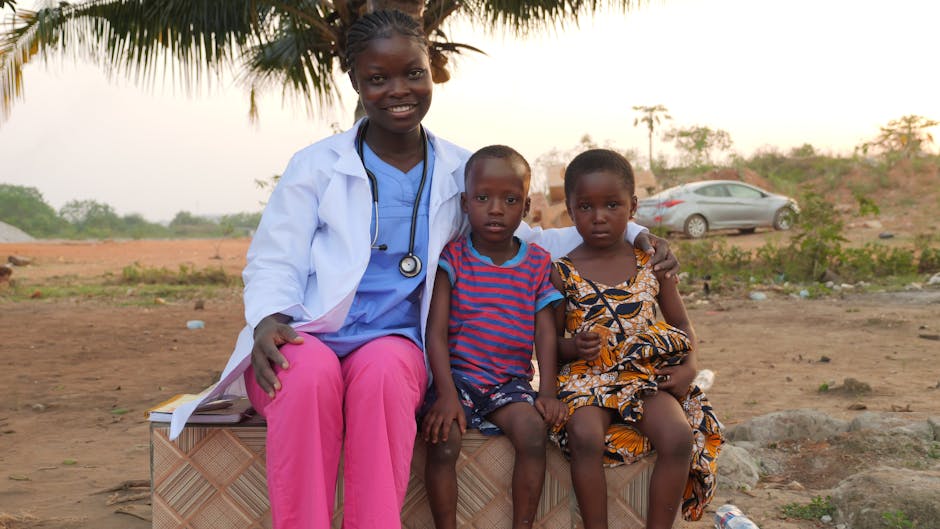
The 2026 prizes, awarded by WHO Director-General Dr. Tedros Adhanom Ghebreyesus and Assembly President Dr. Víctor Elias Atallah Lajam, spotlight a common thread: community ownership. In Mali, the Banconi Community Health Association (ASACOBA) didn’t wait for the government to build clinics; it organized local residents to run their own health services, focusing on prevention and maternal care. In Thailand, Dr. Worawit Tontiwattanasap took his practice to the borderlands, treating stateless migrants and rural villagers who had never seen a doctor. Their approach flips the script on top-down global health, arguing that lasting change starts with listening, not prescribing.
This year also marked two decades since the sudden passing of Dr. LEE Jong-wook, WHO’s sixth Director-General. The prize named in his memory went to Professor Mohammad Abul Faiz of Bangladesh, a clinician-scientist who spent a lifetime tackling neglected tropical diseases among the poorest. His work on snakebite envenoming and malaria in remote areas embodies the quiet persistence that the late director-general championed.
Aging as a Community Challenge—Not a Medical One
One of the most revealing categories this year was healthy aging. Professor Bruno Vellas of France and the Singapore public health system SingHealth both won for approaches that treat aging not as a problem to be medicated, but as a social and environmental puzzle. Professor Vellas developed community-based programs that keep seniors active and socially connected, reducing hospitalizations. SingHealth created cross-sector partnerships—from housing authorities to transport planners—to make cities age-friendly. The message is clear: living longer isn’t just about better pills; it’s about better sidewalks, inclusive parks, and neighbors who check in.
The Digital and the Human Touch
Dr. Amr Mohamed Kandeel of Egypt, awarded the Nelson Mandela Award for Health Promotion, represents a new generation of public health leaders who blend old-fashioned outreach with digital tools. His team built an early-warning disease surveillance system that uses mobile data to track outbreaks in real time, while also training community health workers to reach villages that lack internet. It’s a reminder that technology is only as good as the trust it builds. His system succeeded because residents in rural Upper Egypt knew the person knocking on their door with a tablet was one of their own.
Why This Matters for Your Next Doctor’s Visit
These stories may seem distant, but they directly affect the quality of care you receive. Primary health care—the first point of contact most people have with a health system—is chronically underfunded globally. When countries like Mali or Thailand prove that community-led models can slash infant mortality and reduce infectious disease outbreaks, those lessons ripple upward. International donors, medical schools, and even your local clinic adopt similar strategies. The 2026 laureates aren’t just feel-good stories; they are proof of concept for a more equitable, resilient model of health care that responds to real human needs rather than institutional convenience. And in an era of climate change, pandemics, and aging populations, that model has never been more urgent.
The Quiet Behind the Curtain
Behind the shiny awards ceremony is a rigorous selection process. Nearly 100 nominations flooded in from all six WHO regions—a record that signals growing global engagement. Selection panels, made up of foundation representatives and WHO Executive Board members, vetted candidates over months. The winners were finalized in February 2026. This year’s pool was notably diverse: not just prestigious academics, but frontline nurses, community organizers, and a general practitioner from a border town. It’s a sign that the definition of ‘excellence’ in public health is expanding beyond research papers to include impact on the ground.
The Path Forward
The theme of World Health Day 2026 is Together for health. Stand with science. The six laureates embody that union: science guided by solidarity. As the WHO notes, over 80 laureates from more than 50 countries have received these prizes in the past 15 years. Each one leaves a legacy that extends far beyond a certificate and a handshake. For the rest of us, the takeaway is simple: health is made not only in labs and parliaments, but in village squares, market stalls, and the quiet dedication of people who refuse to accept that geography or poverty should determine how long—or how well—we live.