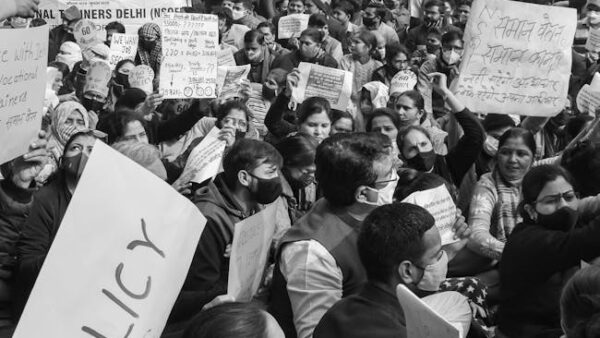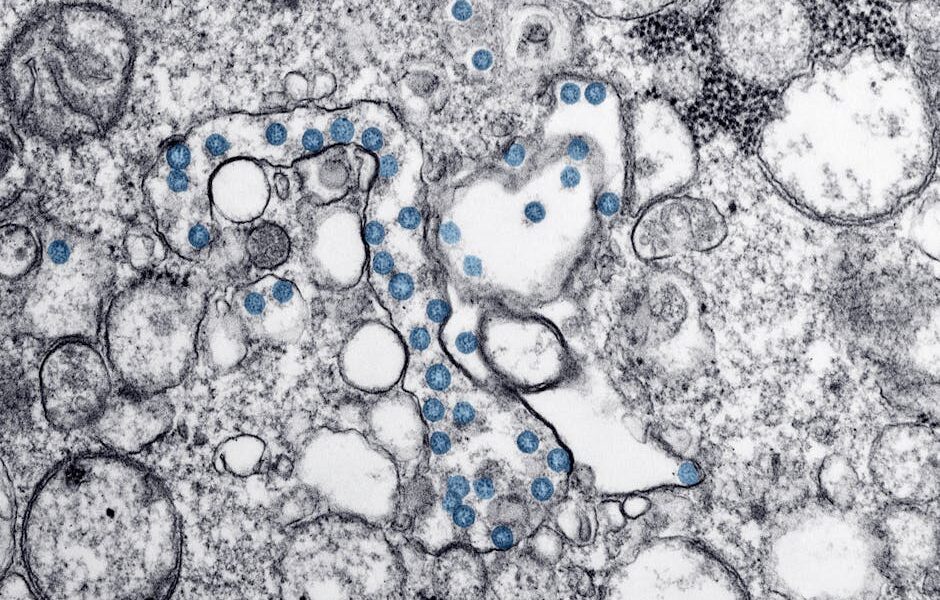
When diplomats and leaders from over 50 African nations were set to gather in New Delhi this week for the fourth India-Africa Forum Summit, the agenda was packed with promise: trade deals, infrastructure investment, and digital cooperation. Instead, a microscopic, thread-like virus has forced a postponement that underscores just how fragile international diplomacy can be when a public health crisis erupts.
On Thursday, the Indian government and the African Union jointly announced that the summit—originally scheduled for May 28-31 after more than a decade-long hiatus—would be delayed indefinitely. The reason cited was the “emerging public health situation” on the continent, a diplomatic way of referring to the worsening Ebola outbreak in the Democratic Republic of Congo and Uganda.
A Different Strain, A Greater Danger
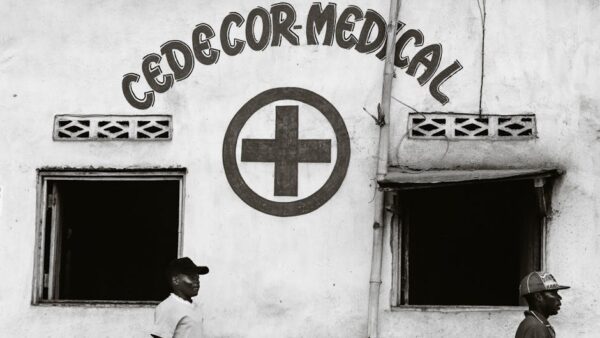
What makes this outbreak particularly alarming is not just its scale—the World Health Organization has recorded roughly 600 suspected cases and 139 suspected deaths—but the nature of the virus itself. The strain circulating is a rare species of Ebola for which no licensed vaccine yet exists. This is a stark contrast to the 2014-2016 West African epidemic, where experimental vaccines were eventually deployed.
Furthermore, the epicenter of this outbreak lies in a region long plagued by armed conflict. Health workers face not only the challenge of tracking the virus but also navigating active combat zones, making containment efforts far more complex. As one WHO official noted recently, “This is not just a medical emergency; it’s a logistical nightmare.”
Why This Cancellation Matters Beyond a Postponed Handshake
The India-Africa Forum Summit is more than a photo op. It is a cornerstone of India’s foreign policy, designed to build economic and political bridges with a continent where China has increasingly dominated infrastructure investment. Postponing the summit means delaying discussions on critical issues like food security, technology transfer, and climate resilience. For small African nations, this can disrupt carefully laid plans for funding and partnership.
And while no cases of Ebola have been reported in India, the government is not taking chances. The Directorate General of Health Services issued a health advisory on Thursday, instructing all passengers arriving from or transiting through affected countries to report to airport health authorities immediately if they develop symptoms like fever, vomiting, or bleeding within 21 days of travel.
The Urbanization Factor: A New Breed of Risk
One crucial dimension often overlooked in coverage of the Ebola outbreak is the role of rapid urbanization. Historically, Ebola outbreaks were small, contained in remote villages where isolation helped stop transmission. But today, populations in Central and East Africa are swelling into crowded cities, pushing shantytowns ever closer to forest habitats where fruit bats—the natural reservoir of the virus—live. This ecological encroachment means the next outbreak could ignite in a city of millions before health authorities even detect the first case.
India, with its own dense urban centers and high volume of air traffic to Africa, is watching this trend closely. The current postponement may be a prudent call, but it also serves as a wake-up call: in an interconnected world, a health crisis anywhere can stall progress everywhere.
What Happens Next?
A new date for the summit has not yet been set. Meanwhile, the African Union and Indian officials say they will continue to monitor the situation. For now, the disease remains confined to the African continent, but the WHO’s declaration of a public health emergency of international concern means the clock is ticking not just for diplomats, but for the global health community as a whole.
As one African diplomat remarked privately to reporters this week: “We cannot shake hands if we are afraid to stand in the same room. But we must find a way to work together, even from a distance.”