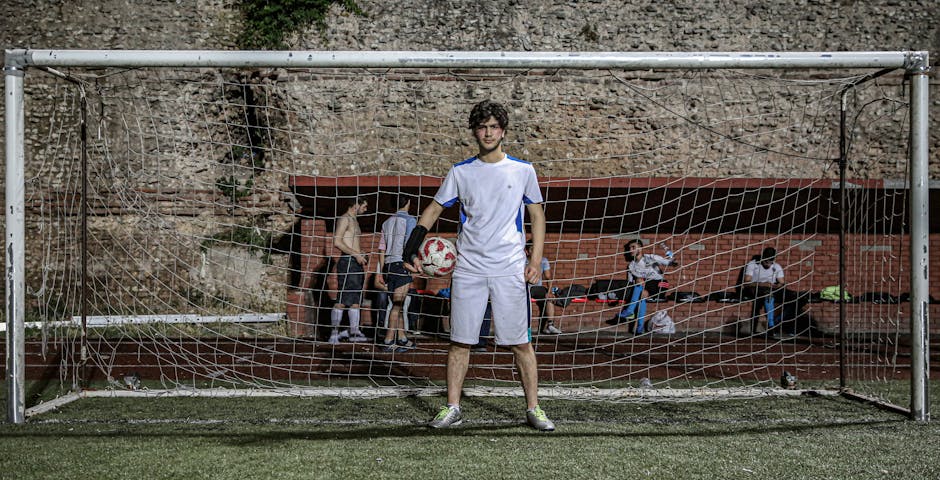
With the 2026 FIFA World Cup just weeks away, Iran’s national football team finds itself in an unexpected holding pattern—not on the training pitch, but in Turkish hotels, waiting for US visa approvals. The players are currently in Istanbul, applying for entry documents to compete in the tournament hosted across the United States, Canada, and Mexico. While the bureaucratic hurdles are nothing new for Iranian athletes, the timing has many wondering whether administrative delays could decide the team’s fate before a single kick.
Stuck Between Rivals and Red Tape
Iran’s squad members have been traveling to Turkey, a country where the US maintains a consular presence, to lodge visa applications. Some players remain uncertain about their approval status with the tournament start looming. This process comes as no surprise given the long-standing diplomatic tensions between Tehran and Washington, which have often complicated travel for Iranian citizens—including athletes. But the stakes are unusually high: Iran qualified for the World Cup for the third consecutive time, a feat that fans back home see as a rare bright spot amid economic sanctions and political isolation.
A High-Profile Test for the Visa System
The US State Department has not publicly commented on individual cases, but immigration experts note that standard vetting procedures can take weeks or months, especially for nationals from countries on restricted travel lists. While Iran is not under a full visa ban, applicants often face enhanced security checks. For the players, this means an already stressful countdown is compounded by the uncertainty of whether they will even be allowed to enter the tournament country. The team’s coaching staff has urged patience, but with training camps and friendly matches scheduled in the coming days, missing key players could weaken Iran’s performance on the world stage.
The Geopolitics of a Football Game
This isn’t the first time sports have become a stage for political friction between Iran and the US. During the 1998 World Cup, the two nations faced off in a heavily symbolic match that ended with Iran’s victory, celebrated widely across the Middle East. Now, nearly three decades later, visa hurdles risk overshadowing the game itself. Some analysts argue the delay might be a subtle diplomatic signal—a way for Washington to exert pressure on Tehran without direct confrontation. But for the players themselves, the issue is far simpler: they just want to play.
Original Analysis: More Than a Ticket Stamp
Beyond the individual cases, this episode highlights a deeper pattern: the use of administrative barriers as a tool of soft power. Whether or not the delays are intentional, the effect is the same—Iran’s World Cup campaign is being shaped by bureaucracy miles away from the stadium. This dynamic is particularly cruel because football, more than most sports, has a unique ability to bridge divides. A timely visa could have been a small gesture of goodwill; instead, it risks becoming another chapter of mistrust. Fans in Tehran and across the diaspora are watching closely, aware that the outcome may hinge less on the players’ skills than on a decision made by a consular officer behind a desk.
What Happens Next?
The Iranian Football Federation has reportedly sent diplomatic notes to the US embassy in Ankara, urging expedited processing. Meanwhile, backup plans are being quietly discussed, including fielding a reduced squad if some players are denied. For the athletes, the wait in Turkey is a bitter limbo—far from home, training in unfamiliar facilities, and uncertain of their future. The World Cup is meant to be a celebration of sport, but for Team Iran, it has become a test of patience, resilience, and the tangled relationship between two nations.