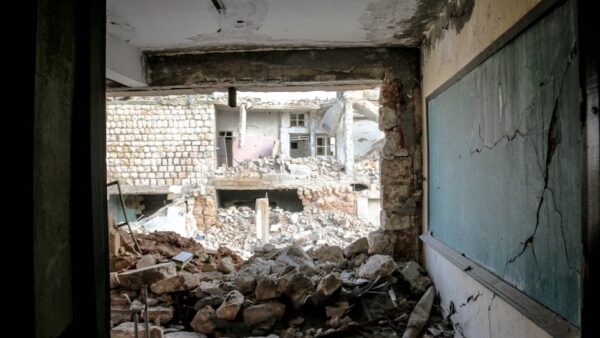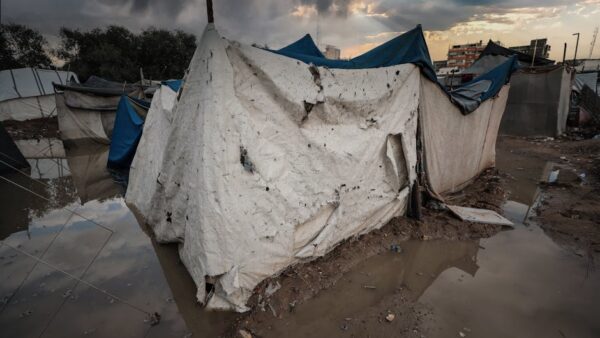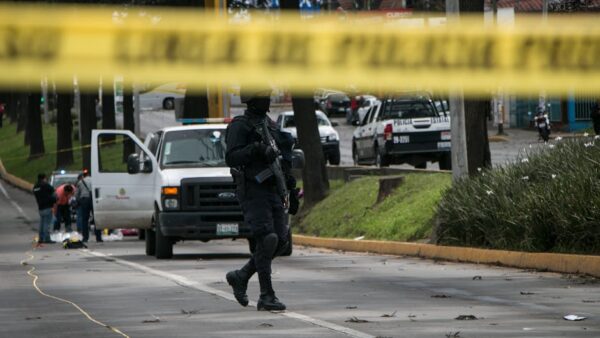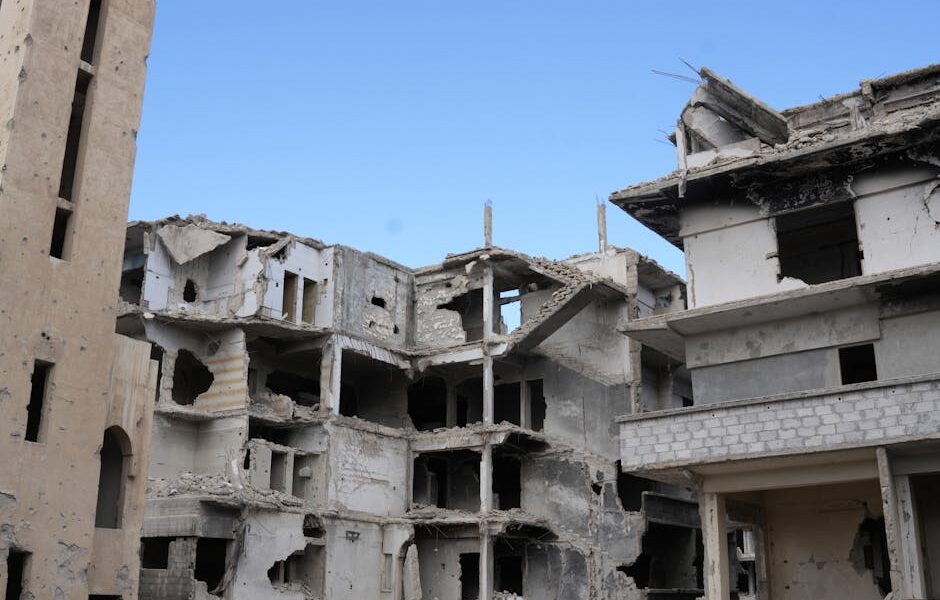
Ten years ago, the United Nations Security Council made a grand gesture. With Resolution 2286, it stood up and declared that attacks on hospitals, ambulances, and medical workers in conflict zones were unacceptable. It was a moment of rare unity, a promise from the world’s most powerful nations. Yet, as we mark a decade since that vote, the grim reality is that the pledge has been broken—not just once, but systematically, day after day, from Syria to Ukraine to Gaza.
Today, the heads of three of the most respected humanitarian organizations—the International Committee of the Red Cross (ICRC), the World Health Organization (WHO), and Médecins Sans Frontières (MSF)—have issued a rare joint statement. Their message is blunt: this is not a celebration. It is a confession of collective failure. The violence against healthcare has not only persisted; in many places, it has grown worse, more brazen, and more deadly.
The Numbers Tell a Darker Story
Statistics can sometimes numb us, but the data here demands attention. In 2023 alone, the WHO recorded over 1,500 attacks on healthcare facilities, personnel, and patients across 19 countries. That is roughly four attacks every single day. These are not collateral damage; they are often deliberate strikes on the very people trying to save lives. Ambulances are targeted, doctors are arrested, and entire hospitals are bombed into rubble. The resolution was supposed to stop this. Instead, it has become a paper shield against a storm of iron and fire.
Why the Resolution Failed
The original resolution included strong language but lacked enforcement teeth. It called for investigations and accountability, but no international body has the power to compel warring parties to comply. As the ICRC, WHO, and MSF point out, the problem is not a lack of laws—it is a lack of will. The UN Security Council, paralyzed by geopolitical rivalries, has not held a single formal meeting focused solely on the implementation of Resolution 2286 in the past decade. Meanwhile, armed groups and state militaries have learned that attacking healthcare carries no real cost.
Consider this: a hospital in a war zone is not just a building. It is a sanctuary for the wounded, a place where the last shred of humanity is preserved. When it is bombed, the message is clear—there is no safe space, no neutrality, no mercy. This erodes trust not only in the parties to the conflict but in the entire system of international law designed to protect civilians.
A Broader Crisis of Accountability
This failure is not an isolated issue. It reflects a deeper, troubling trend: the erosion of the rules of war. We are seeing more conflicts where urban areas are treated as battlefields, where hospitals are viewed as military assets to be neutralized. The joint call from these three organizations is a reminder that the problem is systemic. It is not enough to denounce attacks after they happen. We need a fundamental shift in how the international community holds perpetrators accountable—through sanctions, through referrals to the International Criminal Court, and through public naming and shaming that actually stings.
But accountability alone is not enough. We must also invest in preventative measures. That means stronger protection for medical missions, better tracking of attacks, and safe corridors for supplies and staff. It means putting pressure on states to train their militaries in the laws of war—and punishing those who don’t. The ICRC, WHO, and MSF are doing heroic work on the ground, but they cannot do it alone. They need the backing of every nation that signed the Geneva Conventions.
What Can Be Done Now
The call to action from these organizations offers a path forward, but it requires bravery from leaders. Here are the key steps they recommend:
- Immediate political pressure: Every government with influence over a warring party must demand that healthcare be respected as a neutral space.
- Independent investigations: The UN must establish a dedicated mechanism to document every attack on healthcare, with the power to share findings publicly.
- Financial consequences: States that supply arms or funds to groups that attack medical facilities should face sanctions and export bans.
- Support for local health systems: In conflict zones, local doctors and nurses are the first responders. They need training, supplies, and protection, not just promises.
Looking Ahead Without Illusion
This is not the first plea for change, and it won’t be the last. But what makes this moment different is the collective weight of the organizations behind it. The ICRC, WHO, and MSF are not political actors—they are the ones who count the bodies and bandage the wounds. When they say the situation is “worse than a decade ago,” we should listen. Their message is not a cry of despair but a demand for action. The question is whether the world’s leaders have the courage to answer it, or whether we will mark another ten years with the same hollow resolutions and the same heartbreaking headlines.
The choice is clear: we can continue to let healthcare be turned into a weapon of war, or we can finally decide that protecting the healers is a red line that cannot be crossed.