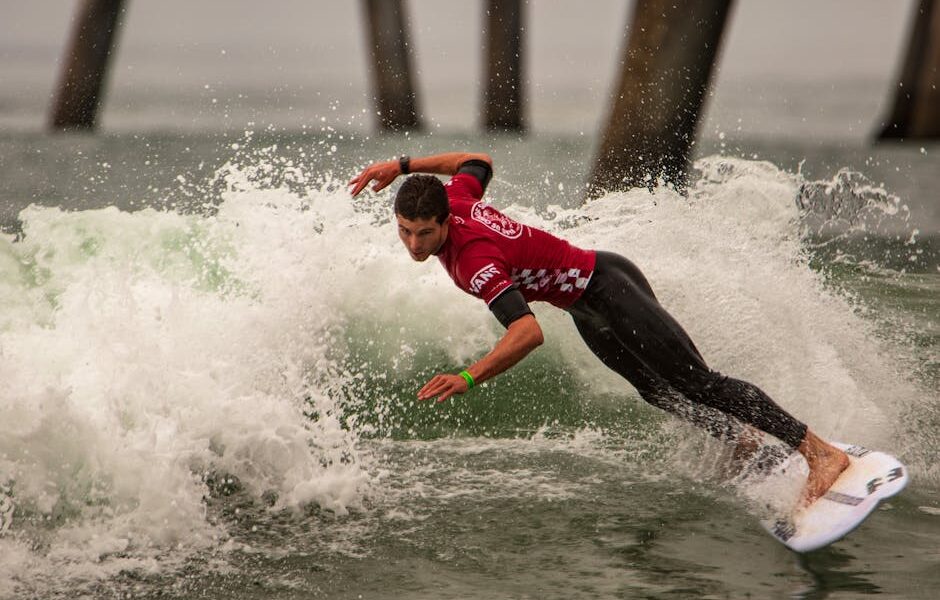
Surf photography risks are often underestimated, but a recent incident at a New Zealand surf contest highlights the hidden dangers. It was supposed to be another day of high-stakes competition at New Zealand’s rugged coastline, with cameras trained on surfers battling the waves. Instead, an unexpected splash of chaos turned a professional photographer into the story’s centerpiece. A sudden, violent bite from an unknown sea creature forced an immediate halt to the event, sending a clear message about the wild unpredictability of working in nature.
Surf Photography Risks: A Sudden Interruption
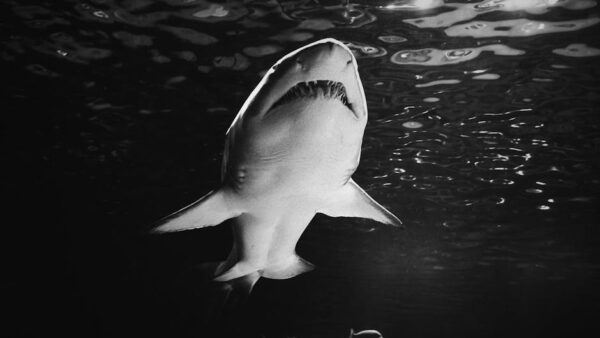
During the pause in the surf contest, the photographer was standing in shallow water, focusing on the action, when something unseen attacked. Colleagues described the incident as ‘scary,’ noting the speed and aggression of the bite. While early speculation bounced between a shark and a sea lion, no one could immediately confirm the culprit’s identity. The victim was quickly pulled from the water and received medical attention for non-life-threatening injuries, but the competition was suspended out of caution.
Marine Life on the Edge
This event isn’t just a freak accident—it’s a flashing red light about the state of our ocean’s ecosystems. Marine biologists point out that as coastal waters warm due to climate change, fish and other prey migrate toward cooler currents. This forces predators like sharks and sea lions to venture closer to shore, where they may bump into humans more frequently. In New Zealand, recent years have seen a rise in reported encounters between swimmers, surfers, and curious or hungry marine animals.
Uncertainty Breeds Panic
What makes this story particularly unnerving is that no one knows exactly what bit the photographer. Was it a curious sea lion investigating a waterproof camera? A juvenile shark mistaking a leg for a fish? Or something entirely different? The ambiguity feeds public anxiety, and it’s easy to see why. When event organizers can’t immediately identify the animal, it feels as if the ocean itself has turned unpredictable.
The Real Villain Isn’t the Animal
Let’s step back and look at the bigger picture, one the original report didn’t explore. Every time a wild creature bites a human near a surf competition, the narrative defaults to ‘dangerous animal.’ But the truth is, we are the intruders. Surf contests draw enormous crowds, loud speakers, and boats into spaces that serve as feeding and breeding grounds for marine life. A photographer standing still in the water at eye level resembles a floating seal to a hungry shark. The photographer did nothing wrong, but the setup—a group of humans dominating a marine habitat—creates the perfect conditions for a misunderstanding.
Lessons for Everyone
For journalists and event organizers, this serves as a harsh reminder that risk assessments should include wildlife protocols. A simple standard operating procedure—like having a marine spotter on the beach or using underwater sonar to detect larger animals—could prevent future scares. For the rest of us, it’s a wake-up call that the ocean is not a backyard pool. It’s a wilderness, and we share it with creatures that don’t read signs or obey competition schedules. For more on human-wildlife conflict, see Deadly Elephant Collision Highlights Uganda’s Growing Human-Wildlife Conflict. Additionally, learn about broader environmental challenges in Why today’s heatwaves are rewriting the rulebook on extreme weather.
While the photographer recovers and the competition likely resumes, the story won’t fade quietly. It will hang over every future seaside event, whispering that the next bite might not be a mystery—it might be a message from the deep. For authoritative insights on marine safety, visit National Geographic’s shark safety tips and WWF’s ocean conservation page.