When Ecuadorian President Daniel Noboa stood before the National Assembly in Quito this weekend for his State of the Nation address, the message was sharp and unyielding: criminals will be hunted down and shipped to the United States. But behind the tough talk lies a far murkier picture—one where high-profile drug busts and extradition deals mask a country still struggling to contain a tidal wave of violence that has reshaped daily life for ordinary Ecuadorians. This Ecuador crime crackdown has become a central pillar of Noboa’s presidency, yet its effectiveness remains hotly debated.
Promises of security vs. reality on the ground
Noboa, who won a full four-year term last year after a snap election in 2023, pointed to the extradition of a dozen crime bosses to the U.S. as evidence that his mano dura (iron fist) approach is working. He also boasted that authorities had seized nearly 300 tonnes of cocaine—a staggering amount that reflects both the scale of the drug trade and the state’s aggressive response.
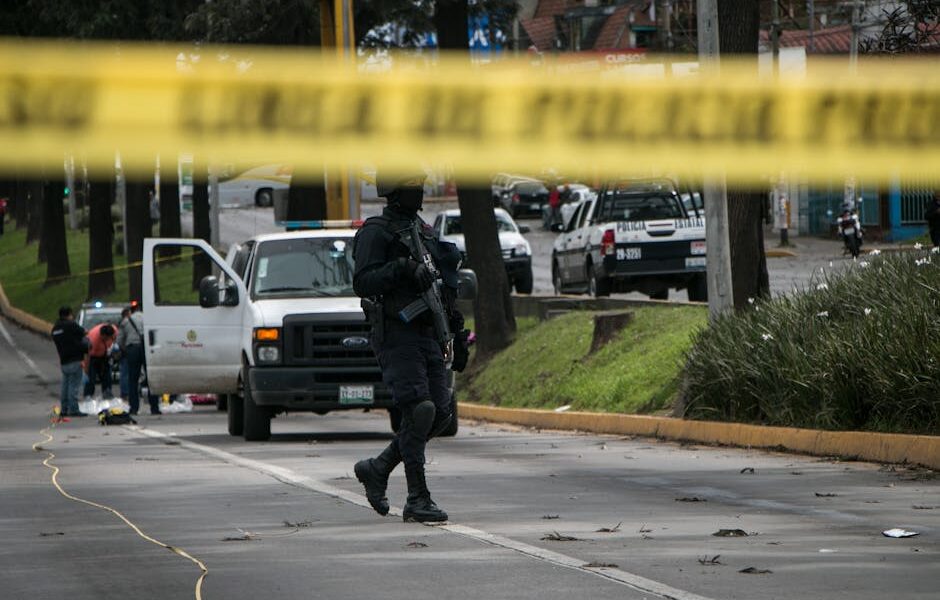
Yet many analysts say these achievements, while real, don’t tell the whole story. Homicide rates remain among the highest in the region, with roughly 50 murders per 100,000 people last year—a figure that has made Ecuador one of the most dangerous places in Latin America. The spike, which began after the COVID-19 pandemic, has turned once-quiet neighborhoods into battlegrounds for rival cartels linked to Colombia and Peru.
“Progress on violence is far from being achieved,” said Glaedys Gonzalez, an analyst with the International Crisis Group. “The situation in Ecuador has reached unprecedented levels.”
The militarization dilemma in the Ecuador crime crackdown
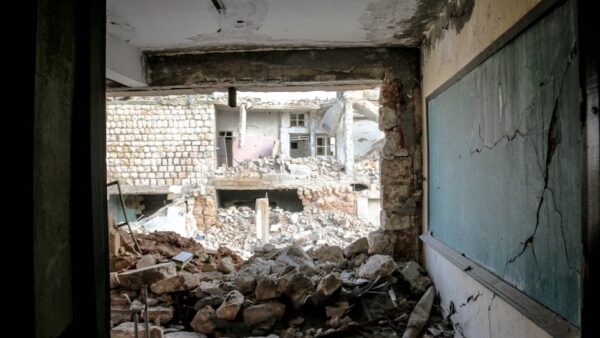
Noboa’s strategy leans heavily on the military. Under a state of exception, soldiers now patrol alongside police, conduct warrantless searches, and—in a controversial joint operation earlier this year—worked with U.S. forces to attack a training camp used by Colombian traffickers. The operation involved drones, helicopters, and boats, and was billed as a major success.
But civil society groups warn that these tactics come at a cost. There have been reports of arbitrary detentions, harassment in poor communities, and a creeping sense that the same institutions meant to protect citizens are now a source of fear. Critics argue that sending soldiers to do police work doesn’t address the root causes of crime: poverty, corruption, and a justice system that often lets the wealthy off the hook.
A broader perspective: Economy and inequality
Noboa also used his speech to highlight economic gains. He told lawmakers that poverty dropped from 26% to 21.4% in 2025, with extreme poverty falling from 10.4% to 8.4%. Those numbers are encouraging, but they come against a backdrop of deep inequality. Many Ecuadorians still struggle to find stable work, and the COVID-19 pandemic wiped out years of progress for families in rural areas and urban shantytowns.
The irony is that while the government celebrates falling poverty, the communities most affected by crime are often the same ones that have seen the least economic benefit. A family in a violent suburb of Guayaquil may be relieved that a major drug lord has been extradited, but they’re still scared to let their kids play outside, and the local economy remains strangled by extortion and fear.
What Noboa didn’t say
Missing from Noboa’s speech was any acknowledgment of the complexity behind the numbers. Extradition deals, for example, often depend on U.S. cooperation and can be politically fraught. They also do little to disrupt the networks that move cocaine through Ecuador’s ports—networks that are deeply embedded in the legal economy, with corrupt officials and businesspeople often playing key roles.
Moreover, the president’s focus on security seems to paper over the fact that Ecuador’s judicial institutions remain weak. Police corruption is an open secret, and many judges are either intimidated or bribed. Without serious reform to the justice system, even the most aggressive military campaigns will only produce short-term results.
An original insight: The trap of the quick fix
There’s a painful irony in Noboa’s approach that deserves more attention. Ecuador is waging a war on drugs with tactics borrowed from the United States—the same country that, for decades, has been the largest consumer of cocaine. This dynamic places Ecuador in an almost impossible position. It is caught between the demand-driven violence of the north and the supply-driven instability of the Andean region. No amount of extradition or seizure can break that cycle unless there is also a serious effort to reduce consumption in wealthy markets and to address the economic desperation that pushes young people into the drug trade in the first place.
Noboa’s promises may play well on television and in the National Assembly, but for the families who live in the crossfire, slogans and statistics are cold comfort. What they need—and what the president’s speech did not offer—is a vision for long-term peace that includes community-based policing, job creation, and a justice system that works for everyone, not just the powerful.
What’s next for Ecuador?
With a full term ahead of him, Noboa still has time to broaden his strategy. But the clock is ticking. Voters who supported him on the promise of safety are getting impatient. If the homicide rate doesn’t drop significantly in the next year, his popularity could crumble fast. Meanwhile, the opposition is already sharpening its criticism, accusing him of authoritarian drift.
One thing is certain: Ecuador is at a crossroads. The path Noboa chooses—military force alone, or a wider plan that tackles root causes—will define the country for a generation. For more on regional security dynamics, see our analysis of global tensions stress-testing multilateral systems. Additionally, external reports from International Crisis Group and InSight Crime provide further context on the Ecuador crime crackdown.