Strait of Hormuz food prices are a growing concern as the ongoing US-Iran talks focus on nuclear centrifuges and sanctions, but the real story—the one that hits your kitchen table, your car’s gas tank, and your local farmer’s fertilizer costs—is being drowned out by diplomatic jargon.
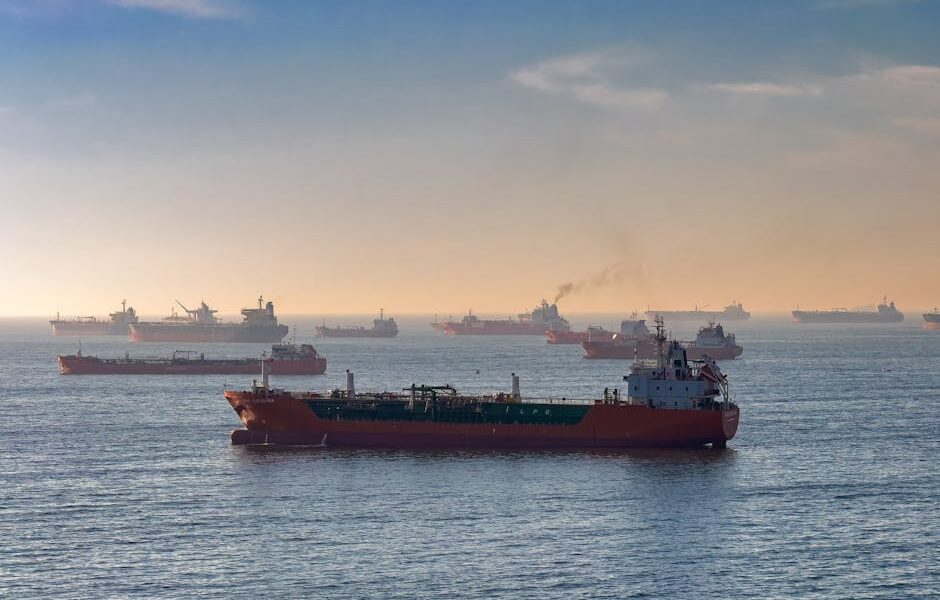
The Strait of Hormuz isn’t just another shipping lane. It’s the world’s economic jugular. Roughly one-fifth of all oil and a massive chunk of liquefied natural gas passes through that narrow channel every single day. When tensions flare, the whole system jams. And when the system jams, prices don’t just go up in New York or London—they skyrocket in Nairobi, Dhaka, and Jakarta first.
The Global South Pays the Highest Price for Strait of Hormuz Food Prices
Let’s be brutally honest about who bears the brunt of this instability. Wealthier nations can absorb a spike in fuel costs. They have strategic reserves, diversified suppliers, and enough fiscal muscle to cushion the blow for consumers. But try telling that to a farmer in Ghana who can’t afford diesel for his irrigation pump, or a mother in Bangladesh watching the price of cooking oil double in a month.
Developing economies are import-dependent in ways that make them sitting ducks. They buy fuel, fertilizer, and food from global markets. When shipping through Hormuz gets disrupted, three things happen simultaneously:
- Transport costs explode, which raises the price of everything that moves by ship.
- Natural gas prices spike, making fertilizer production wildly more expensive—and fertilizer is the single biggest input cost for staple crops.
- Governments burn through foreign reserves trying to subsidize basics, which deepens debt crises and leaves them with less money for hospitals, schools, or emergency aid.
This isn’t abstract theory. It’s already playing out. Across Africa and South Asia, treasuries are stretched thin. The World Food Programme has been warning for months that food inflation is pushing millions closer to the brink. A prolonged Hormuz disruption would turn that warning into a full-blown humanitarian emergency.
The Hidden Link Between Oil and Your Dinner Plate
Most people don’t realize how tightly energy markets and food systems are wired together. Fertilizer production is responsible for about half of the world’s food output, and it runs on natural gas. Shipping food halfway around the planet runs on oil. Cold storage runs on electricity generated largely from fossil fuels. When energy prices jump, grocery prices follow within weeks.
This is where the current negotiations matter far beyond the corridors of power in Washington or Tehran. A 60-day truce and reopening of shipping lanes isn’t just about preventing a naval skirmish. It’s about preventing a cascading cost-of-living crisis that would hit the most vulnerable populations hardest—and then ricochet back into political instability everywhere.
Remember the Arab uprisings? Food inflation was a major accelerant. More recently, rising living costs have fueled protests from Chile to France to Kenya. Governments are already fragile. Stagnant wages, widespread distrust, and soaring inequality have created a tinderbox. Another sustained energy shock could be the match.
Why This Deal Is Different—and Harder
Make no mistake: this isn’t a repeat of the 2015 nuclear deal negotiations. The stakes are higher because the global economy is weaker. We’re coming off years of pandemic disruption, war in Ukraine, and interest rate hikes that have left everyone—especially developing nations—brittle.
There are also unresolved questions that go beyond enrichment levels. Who controls traffic through Hormuz? Under what rules? Can the US and Iran agree on a governance framework that both sides trust? Because right now, they each claim the right to enforce their own version of maritime law in the Gulf. That ambiguity alone is a recipe for miscalculation.
Previous talks have collapsed because of mutual distrust and military escalation. That pattern could repeat. But the alternative—a prolonged closure or militarization of the strait—is something the world really cannot afford.
An Inconvenient Truth About Global Power
Here’s the uncomfortable part that doesn’t get enough airtime: the countries that will suffer most from this crisis have almost no say in how it’s resolved. The geopolitics of Hormuz is a game played by the US, Iran, and a handful of Gulf states. Everyone else is just absorbing the costs. It’s a textbook case of externalized consequences—the rich world and powerful states make decisions, and the poor world pays the bills in hunger, debt, and social unrest.
This isn’t about blaming anyone. It’s about recognizing that the Strait of Hormuz is a global public good. Its uninterrupted operation matters for every nation that imports food or fuel—which is basically every nation. Treating it as a bargaining chip in bilateral negotiations is, frankly, reckless from a global economic standpoint.
Reopening the strait isn’t just a favor Washington or Tehran does for each other. It’s a necessity for the entire international community. The deal being discussed right now may be imperfect. It may be fragile. But in a world already reeling from overlapping crises, letting Hormuz remain a chokepoint is a gamble with billions of people’s basic well-being.
We should hope the negotiators understand that. Because the cost of failure won’t show up in diplomatic cables. It’ll show up on dinner tables everywhere.
For more on how global tensions affect supply chains, read Global Tensions Are Stress-Testing the System Designed to Prevent World War III and Europe’s Fertilizer Dilemma: A War in the Gulf Exposes the Hidden Costs of Cheap Food. For authoritative data on food price impacts, see the World Bank Food Security Update and IMF Policy Responses to Food Price Shocks.