A tense atmosphere gripped airport terminals in Sydney and Melbourne on Tuesday as a group of 19 individuals—six women and 13 children—touched down on Australian soil, their arrival reigniting a fierce national conversation about justice, mercy, and the long shadow of the Islamic State. This is the second repatriation of ISIL-linked families Australia from Syrian refugee camps this month, following the return of four women and 13 children earlier in May, three of whom were arrested upon landing.
Who are the returnees and what happens now?
The women are believed to have traveled to Syria as early as 2012, often as brides of ISIL fighters. Some have claimed they were coerced or taken against their will. The children, many born under the caliphate, have never known life outside conflict zones. Upon arrival, Australian Federal Police did not make any arrests, but Home Affairs Minister Tony Burke struck a stern tone, calling the adults’ past choices ‘horrific’ and warning that anyone found to have broken the law would face prosecution.
A nation divided over ISIL-linked families Australia
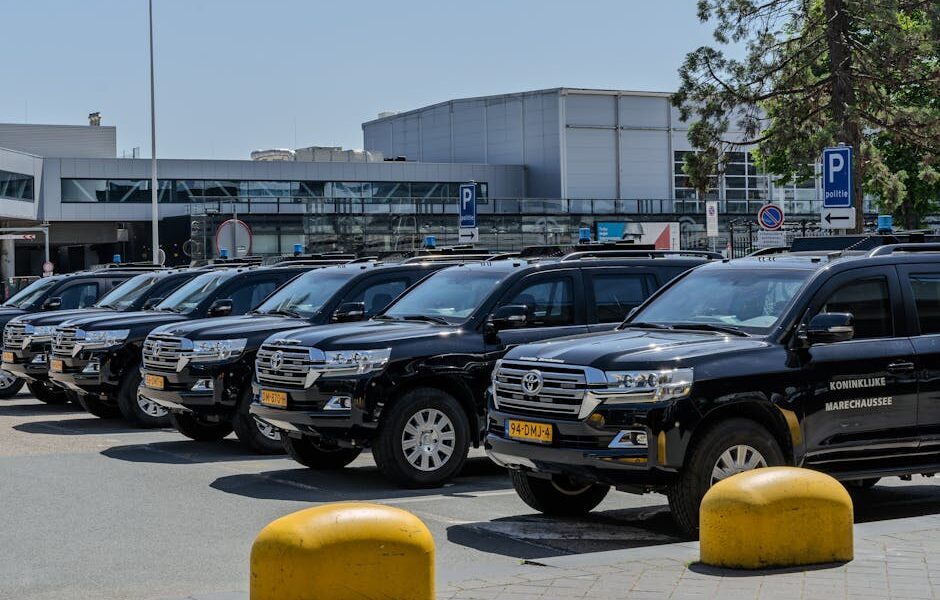
Public reaction has been sharply polarized. Images of a heavy police presence at Melbourne airport, where a scuffle reportedly broke out as the group was escorted through a side entrance, have dominated news cycles. Critics argue that repatriation rewards bad behavior and risks national security. Others, including human rights advocates, stress that leaving women and children indefinitely in squalid camps—where sexual violence, radicalization, and preventable diseases are rife—is both inhumane and counterproductive.
Australia is not alone in its dilemma. The United Kingdom and France have both resisted large-scale repatriations, with the UK stripping citizenship from Shamima Begum in 2019. In a 2022 ruling, the UN Committee on the Rights of the Child found that France’s refusal to bring home children of its nationals violated their right to life. For now, Australia is treading a middle path: accepting returnees but making clear it offers no assistance and will pursue criminal charges where warranted.
Beyond the headlines: a public health and mental health crisis for ISIL-linked families Australia
What is often missing from the heated political debate is the grim reality of life inside camps like Roj in northeastern Syria. These are not rehabilitation centers; they are open-air prisons where trauma is the daily currency. Children have witnessed beheadings, women have endured systematic abuse, and many survivors show signs of severe post-traumatic stress disorder (PTSD). Afzal Ashraf, a visiting fellow at Loughborough University specializing in international relations and security, notes that the threat these returnees pose is often exaggerated. ‘There will be some security challenges,’ Ashraf told Al Jazeera, ‘but statistically speaking, the return of these nationals doesn’t increase that risk very much, while the threat to life from terrorism is far lower than the threat posed by road accidents.’
His point underscores a critical, underreported angle: the greatest immediate risk may not be terrorism, but the untreated psychological wounds carried by these returnees. Without comprehensive mental health support and community reintegration programs, the cycle of trauma—not ideology—could become the real driver of future harm. Australia has an opportunity to develop a model that prioritizes deradicalization alongside well-being, but that will require funding, expertise, and political courage. For more on the broader security implications, see The Quad’s Identity Crisis.
A controversial exclusion order adds another layer
In a striking twist, the government in February issued a temporary exclusion order against a woman still in Syria, barring her return until 2028. Her child was not similarly prohibited and chose to stay with her. The family is now challenging the decision. This case highlights the arbitrary and often heart-wrenching choices at the heart of Australia’s policy: some families are reunited, others remain forever split.
Looking ahead: what comes next for ISIL-linked families Australia?
The two waves of repatriation this month suggest a quiet shift in policy, even if the government refuses to call it that. As the Syrian conflict fades from global headlines, the human wreckage it produced remains a live issue for Western nations. For Australia, the immediate challenge is not just legal or security-based, but moral: how to balance accountability with compassion, and how to ensure that the children—the least culpable victims of this tragic saga—are given a genuine chance at a new life. For authoritative analysis on counterterrorism, see RAND Corporation’s counterterrorism research.
One thing is clear: the debate over how to handle former ISIL members and their families will not fade as quickly as the airport scuffles. It is a test of Australia’s values, and of its ability to look beyond fear toward a more nuanced, and more humane, response.