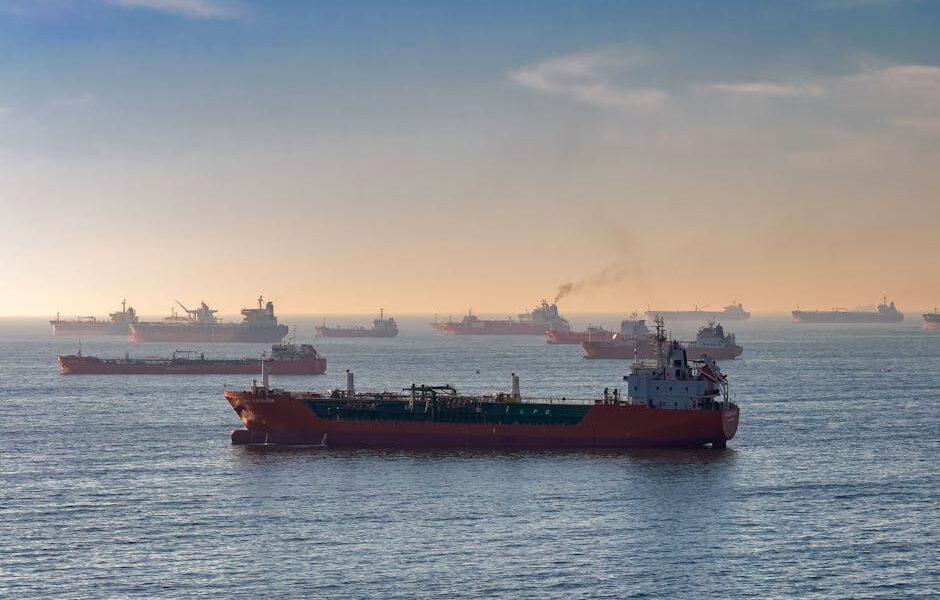
Strait of Hormuz tensions: A new front in an old conflict
The war between the United States and Iran has entered its 90th day, and if you thought it might be winding down, think again. On Wednesday, the US military launched fresh strikes near Iran’s Bandar Abbas port, a bustling hub on the Strait of Hormuz. The Pentagon described these as defensive measures to protect American forces and commercial shipping from what it called military threats in the area. Iranian state media, predictably, reported the explosions caused no casualties or property damage. But the real story isn’t just the bombs—it’s the escalating game of cat and mouse over who controls one of the world’s most vital waterways.
For everyday people around the globe, this isn’t just another headline from a faraway conflict zone. The Strait of Hormuz is the throat through which about a fifth of the world’s oil passes. Any disruption here doesn’t just affect tanker captains and naval admirals—it hits your wallet at the gas pump and the price of goods in your local supermarket. The stakes, as they say, are sky-high.
The blockade gambit and its fallout
Iran’s Islamic Revolutionary Guard Corps (IRGC) has been playing a dangerous game. They accused the US of violating a ceasefire by allegedly sending a tanker through the strait with its radar turned off—a move Iran says violates international maritime law. In response, the IRGC Navy claimed to have fired on the vessel, which then prompted the US counter-strike. It’s a cycle of accusation and escalation that feels all too familiar.
But here’s where it gets interesting: the US Treasury Department added Iran’s Persian Gulf Strait Authority to its sanctions list. This is the body Tehran created to manage ship transit requests through the strait. By sanctioning it, Washington is sending a clear message: we don’t recognize your authority to control this waterway. It’s a bureaucratic move with very real teeth, effectively making it illegal for any company to deal with that authority without risking US penalties. That’s economic warfare dressed up in a suit and tie.
Trump’s tough talk and the Oman twist
Meanwhile, President Donald Trump was holding forth in a cabinet meeting, juggling topics from immigration to inflation ahead of the midterms. But the Iran question loomed large. Trump insisted he wants a ‘great deal’ with Tehran, but his terms are non-negotiable: no sanctions relief, and Iran must surrender its entire enriched uranium stockpile. It’s a non-starter for Iran, which has repeatedly rejected these demands. The diplomatic deadlock, it seems, is as solid as a concrete wall.
Then came the eyebrow-raiser: Trump threatened to use force against Oman if it cooperated with Iran to manage the strait. This is a head-scratcher. Oman has been a longtime US ally and a key mediator in the talks. There’s no evidence it’s proposing to jointly oversee the waterway with Iran. So why the threat? It could be a negotiating tactic—a way to put pressure on all parties by raising the specter of unpredictability. Or it could be a sign of fraying patience. Either way, it introduces a wild card into an already volatile mix.
A regional ripple effect
The conflict isn’t confined to the waters of the Gulf. In Kuwait, the military reported intercepting ‘hostile’ missiles and drones, sending sirens wailing across the country. The sound of explosions, authorities said, came from their interception systems doing their job. It’s a grim reminder that when great powers clash, the neighbors feel the tremors.
Further afield, Israel ordered evacuations in southern Lebanon near the Zahrani River, claiming buildings there were near Hezbollah facilities. Hezbollah, for its part, responded with a flurry of operations—dozens of attacks, it claimed, targeting Israeli troops, tanks, and even an Iron Dome platform. And in Gaza, hundreds marched through the streets carrying the body of a Hamas commander killed in an Israeli strike. The regional chessboard is so crowded with pieces that it’s hard to see where one conflict ends and another begins.
Original insight: The blurring of war and negotiation
If you step back, what’s happening on day 90 is a masterclass in how modern conflicts blur the line between war and diplomacy. We’re not in a traditional shooting war where front lines are drawn and battles are won or lost. Instead, we’re in a hybrid conflict where a strike near a port, a sanction on a maritime authority, and a presidential threat against an ally all serve the same purpose: to reshape the terms of engagement. The strange irony is that even as bombs fall and sanctions bite, both sides keep talking about a deal. That’s not hypocrisy—it’s strategy. Each side is trying to strengthen its hand at the negotiating table by creating chaos on the ground. The danger, of course, is that this dance could spin out of control, turning a controlled escalation into a full-blown regional war nobody wants.
For now, the world watches and waits. The Strait of Hormuz remains open, but barely. And the question nobody can answer is: what happens on day 91?
For more on the broader regional dynamics, read our analysis on Strait of Hormuz: US-Iran tit-for-tat attacks threaten fragile calm. Also, see how Iran’s fragile ceasefire hangs by a thread as US strikes undermine Doha talks. For authoritative context, the Council on Foreign Relations provides an excellent overview of the strait’s strategic importance, and the U.S. Energy Information Administration offers data on oil flows through the chokepoint.