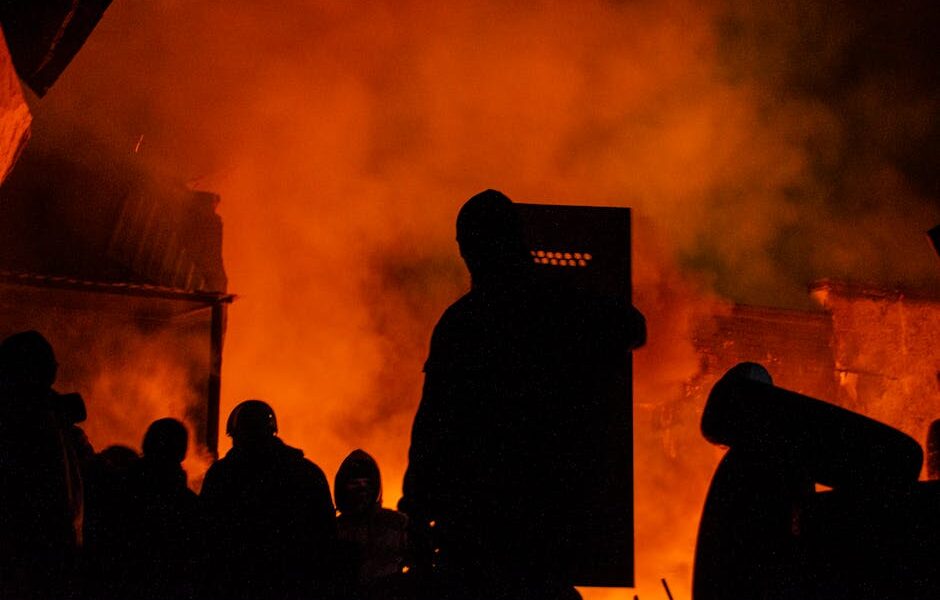
The recent eruption of violence at the Injuba prison in Barinas state is not an isolated incident. It is a desperate, fiery signal from a system that has long been neglected. When inmates climb onto rooftops, burn mattresses, and chant for justice, they are not just protesting a new warden. They are exposing a deep, systemic rot that afflicts Venezuela’s entire penitentiary system, highlighting the ongoing Venezuela prison crisis.
What Sparked This Uprising in the Venezuela Prison Crisis?
The immediate trigger was a change in management. For more than a week, prisoners at the facility—officially known as Centro Penitenciario de la Región Andina—had been complaining about harsh treatment under a new director. According to the Venezuelan Prison Observatory (OVP), a non-governmental watchdog, the new regime brought violent strip searches, prolonged solitary confinement, and routine mistreatment. The inmates’ demands are starkly simple: medicine for those suffering from tuberculosis, an end to abusive searches, and a semblance of basic human rights.
What makes this protest especially poignant is the sight of a woman—wearing a mask and dark glasses—addressing the interim president, Delcy Rodríguez, directly. In a video obtained by OVP, she insists their protest is peaceful before listing their demands. It is a rare glimpse of the civilians left to navigate this crumbling system: families who have no other route for help.
A System Already Teetering on the Brink
To understand Injuba, you have to understand the bigger picture. Venezuela’s prisons are notoriously overcrowded, underfunded, and violent. OVP has warned for years that most facilities fail to meet the “minimum standards” required by law. Food is scarce. Medical care is virtually non-existent. Gangs often run the cellblocks where the state has ceded control. This Venezuela prison crisis is a stark example of systemic failure.
And then there is the wider political context. While the international spotlight often focuses on the more than 400 political prisoners still held since the ouster of Nicolás Maduro, common criminals suffer in silence. Foro Penal, a pressure group, notes that US pressure did lead to the release of hundreds of political detainees earlier this year. But for every political prisoner freed, thousands more remain locked in a cycle of neglect that the world rarely sees.
The UN’s Warning and a Broader Pattern
This protest comes just months after the United Nations’ High Commissioner for Human Rights, Volker Türk, revealed that his office continues to receive reports of torture in Venezuelan detention centers—even after Maduro’s departure. The Committee for the Freedom of Political Prisoners expressed solidarity with the Injuba inmates, alleging that “punishment, hunger, solitary confinement, torture and inhumane conditions” are not just random abuses, but a deliberate “prison policy.” The Venezuela prison crisis demands urgent international attention.
Original Analysis: The Root of the Rot
What the world often misses in stories like this is the profound connection between prison conditions and the collapse of Venezuela’s broader state infrastructure. Prisons are not closed systems—they are mirrors of society. When an economy collapses, when inflation skyrockets, and when the rule of law fractures, the jails become dumping grounds where the state’s failures are concentrated. The prisoners at Injuba are not just fighting a mean warden. They are fighting the slow, grinding indifference of a bureaucracy that has run out of ideas—and often, out of funding. The burning mattresses are a signal flare that Venezuela’s new government, despite promises of reform, has not yet found the resources—or the will—to fix what is broken. For more on systemic failures, see our analysis of the UN trust deficit.
What Comes Next?
As of now, the prison director has not commented publicly, nor has the Rodríguez administration. But the silence is telling. Extra security forces have been deployed to the jail, and witnesses report hearing gunfire and explosions. The OVP has called for an independent investigation and for the immediate resignation of both the prison director and the minister of prisons.
For the families of those inside, the wait is agonizing. They are left with little more than videos filmed on smuggled phones, hoping that the outside world is watching. One man, showing wounds on his torso and arm, shouts: “They’re shooting at us!” Another voice joins a chant: “We want justice.”
Until that justice arrives, the fire on the rooftop in Barinas will keep burning, a warning that some crises can no longer be ignored. For more on global human rights issues, visit Human Rights Watch.