Three weeks after setting sail under banners of humanitarian intent, a group of Australian flotilla activists touched down in Sydney this week to a scene far different from the one they had left—one not of fanfare, but of quiet, harrowing reunions. They returned not with tales of aid delivered, but with accusations of brutality, sexual assault, and systematic torture at the hands of Israeli commandos who stormed their vessels in international waters.
The activists, part of an international flotilla aiming to break the blockade on Gaza, were intercepted on May 24 by Israeli naval forces nearly 100 nautical miles from the nearest Israeli coast. What followed, according to multiple accounts given by the returnees at Sydney Airport, was a prolonged ordeal of physical and psychological abuse that has reignited an old, bitter debate about the lengths to which Israel will go to enforce its coastal exclusion zone.
A Nightmare on the Mediterranean: Flotilla Activists Describe Ordeal
Among the first to speak was veteran activist Hoda Barakat, who described being separated from the male passengers and subjected to what she called “invasive, humiliating searches” by female soldiers. “It wasn’t a security check,” she told assembled reporters, her voice hoarse from exhaustion. “It was designed to break you. They laughed while they did it.” Other passengers recounted being hooded, zip-tied, and left in the dark for hours without water, while one male activist detailed being beaten with a baton across the kidneys until he lost consciousness.
The testimonies have been corroborated by video footage released by other flotilla activists on social media before their communications were cut. The Israeli Defense Forces have denied the claims, stating that their soldiers acted “within protocol” after the activists “violently resisted” the boarding attempt. No independent observers were present, and the incident occurred beyond the reach of standard maritime surveillance.
Why This Flotilla Was Different
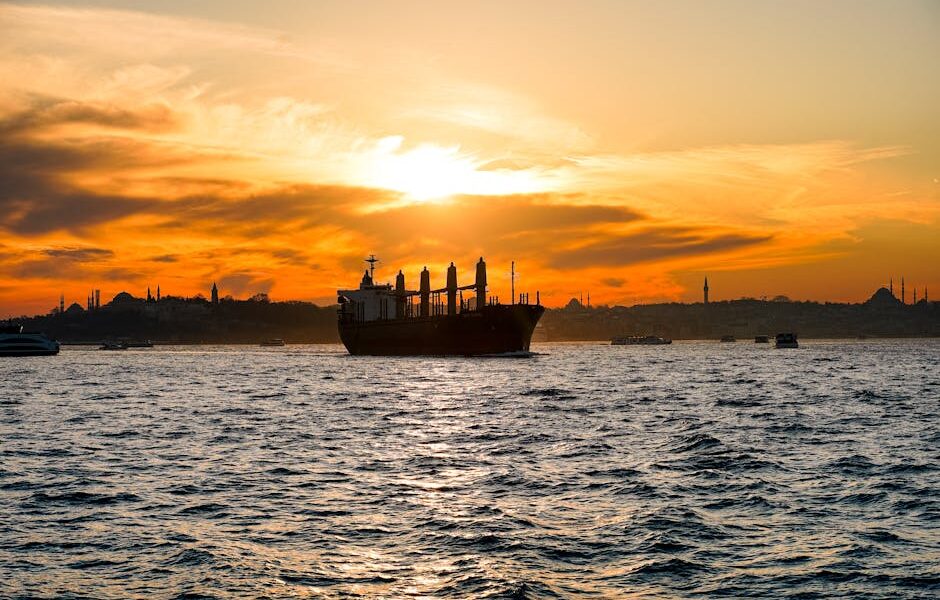
This was not the first Gaza-bound flotilla to meet a violent end. The 2010 Mavi Marmara incident resulted in the deaths of nine Turkish activists and sparked an international crisis. But this mission—dubbed the “Freedom Flotilla 2026”—was smaller, quieter, and had deliberately avoided the large, media-worthy ships of previous years. Instead, organizers used two smaller fishing vessels, hoping a low-profile approach might allow them to slip through.
“We thought if we didn’t provoke, they wouldn’t come,” said retired teacher and organizer Kevin Rennie, who coordinated the Australian contingent. “We were naive. The blockade isn’t about security; it’s about control. They cannot afford to let anyone prove they can run the blockade, even with a box of medical supplies.”
A Broader Crackdown on Flotilla Activists
The allegations surface at a time when the Israeli government has been intensifying its maritime security operations. In recent months, new naval patrol boats and a dedicated “cyber dome” unit have been deployed to monitor and disrupt activist networks before they even reach the water. The goal, according to leaked internal assessments, is to create such a high cost of participation—in terms of trauma and legal jeopardy—that future flotillas become impossible to organize. If the accounts of these Australian flotilla activists are true, that strategy appears to be working. “I will not go again,” one activist told me, breaking down. “Not because I’m afraid for my life, but because I cannot bear to be helpless like that again.”
What the Government Can—and Cannot—Do
The Australian Department of Foreign Affairs and Trade has confirmed it is making diplomatic representations to Israel, but stopped short of condemning the actions outright. A spokesperson noted that Australia “respects the security concerns of all nations in the region,” while urging a “full and transparent investigation.” For the returnees, this is not enough. “Our government should be furious,” said Barakat. “We were Australian citizens on a peaceful mission, attacked in international waters. If this was a fishing trawler from Tasmania, they’d be sending a naval frigate.”
Yet international law remains ambiguous. A 2024 ruling by the International Tribunal for the Law of the Sea upheld a nation’s right to enforce a duly-notified blockade outside territorial waters, provided it does so proportionally. Whether beating and sexually assaulting unarmed civilians constitutes “proportional” is the question that now hangs over Israeli military doctrine.
In the days ahead, several of the flotilla activists are expected to file formal complaints with the International Criminal Court. Whether the court will act—and whether Australia will back those efforts—remains to be seen. What is already clear is that the image of returning Australians, bruised and speaking of torture, has fractured the narrative that the blockade is a bloodless, surgical operation. The sea, once a symbol of escape and liberation for the people of Gaza, has become another prison wall—and these activists are the ones who came back with bruises to prove it.
For more on how foreign crises reshape political landscapes, read The Ripple Effect: How Foreign Crises Are Reshaping America’s Political Landscape. Learn about the broader context of the Gaza blockade in Gaza’s Elderly Dream of Mecca While Trapped by Politics and War. For authoritative information on international maritime law, see United Nations Division for Ocean Affairs and the Law of the Sea and Amnesty International’s report on the Gaza flotilla.