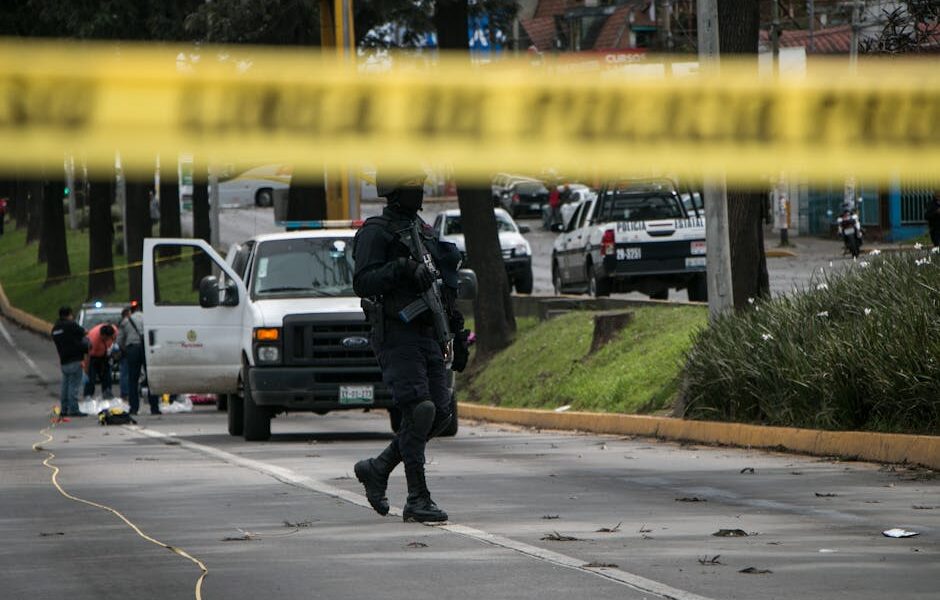
Honduras is once again grappling with the devastating toll of violence after two separate shootings on the same day left at least 16 people dead. The attacks, which took place in different regions of the Central American nation, have shaken communities already weary of a seemingly endless cycle of bloodshed. While authorities have not yet released full details, early reports suggest both incidents may be linked to organized crime and gang rivalries that have long plagued the country.
A country under siege: The broader context
These latest massacres are not isolated events. Honduras has one of the highest homicide rates in the world outside of active war zones—roughly 38 murders per 100,000 residents in 2023, according to the United Nations. Much of the violence is fueled by powerful drug trafficking cartels and maras (street gangs) like Barrio 18 and MS-13, who battle for control over smuggling routes and extortion rackets. The government’s heavy-handed military crackdowns have often failed to address underlying issues such as poverty, corruption, and a broken judicial system.
What happened on that day?
In the first shooting, gunmen opened fire in a crowded building in the city of Choloma, a industrial hub north of the capital Tegucigalpa. At least seven people were killed on the spot, with several others wounded. Hours later, a second attack occurred in a rural area near the border with Guatemala, where nine people—including two minors—were gunned down inside a home. Local media report that the assailants arrived in multiple vehicles, suggesting coordinated planning. Neither police nor the military were able to prevent the attacks, despite increased patrols in violence-prone zones.
Beyond the statistics: The human cost
Numbers alone cannot capture the fear that now grips neighborhoods across Honduras. Parents keep children indoors after dark; small business owners pay monthly extortion fees just to stay alive. The constant threat of violence has driven thousands to flee northward—an exodus that contributes to the migrant crises at the U.S. southern border. For those who remain, resilience has become a survival instinct, but many feel abandoned by a state that promises security but delivers impunity. As one community leader in Choloma told local radio, “We are prisoners in our own country. The authorities show up after the bodies are cold.”
An original perspective: The role of foreign pressure and policy failures
What is often missing from the news cycle is how international policies shape Honduras’ internal strife. For decades, U.S. anti-narcotics efforts have focused on interdiction, yet they have also destabilized local economies by disrupting legitimate trade. Meanwhile, arms trafficking from the United States supplies the very gangs that perpetrate these massacres. A 2022 report by the Small Arms Survey found that nearly 80% of firearms recovered from crime scenes in Honduras were originally manufactured in the U.S. Without addressing this pipeline of weapons—and without investing in community-based prevention rather than just militarized policing—massacres like the ones on that day will likely continue to occur with grim regularity.
What can be done?
Long-term solutions are elusive but not unimaginable. Civil society groups within Honduras have long advocated for a three-pronged approach: strengthening local police oversight to root out corruption, creating economic opportunities for at-risk youth, and reforming the justice system to prosecute high-level criminals effectively. International donors could shift aid from military hardware to job training and mental health services. But such changes require political will from Tegucigalpa and its foreign allies—and so far, the results have been inconsistent. For the families of the 16 victims, those policy debates offer little comfort tonight.
The next steps
As of now, Honduran authorities have detained two suspects in connection with one of the attacks, but no major arrests have been announced. Human rights organizations are calling for an independent investigation, wary of past cover-ups and forced confessions. The nation waits for answers, even as the next tragedy looms.