In a move that has sent ripples through diplomatic circles, the United States has quietly put a $14 billion weapons package for Taiwan on ice. The stated reason? A pressing need to safeguard munitions for the ongoing conflict with Iran. But beneath the surface of this logistical pause lies a far more complex story about shifting priorities, fragile alliances, and the delicate dance of global power.
A War of Words and Weapons
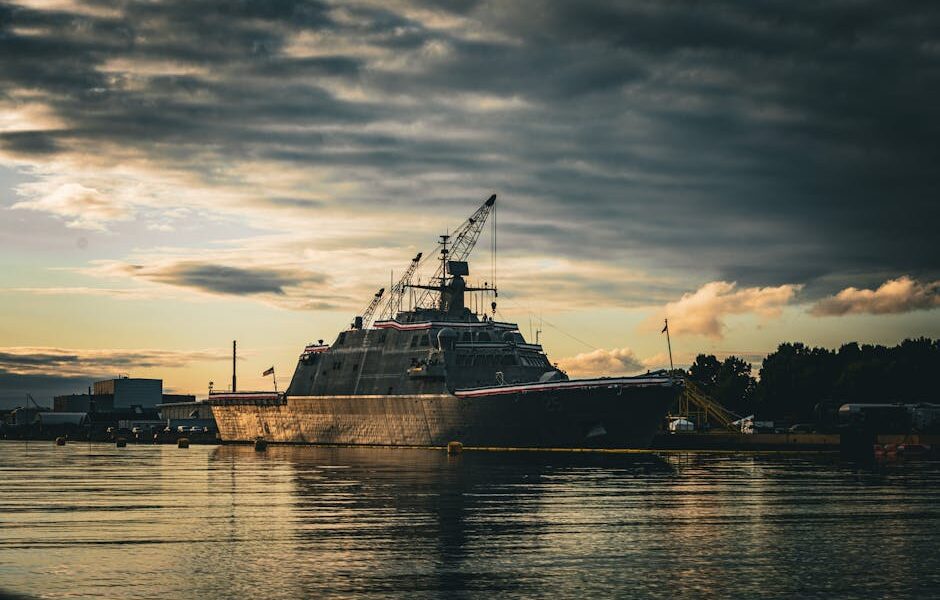
Acting Navy Secretary Hung Cao dropped the news during a Senate hearing, explaining that the pause was necessary to ensure the military had enough firepower for Operation Epic Fury — the US campaign against Iran. While a ceasefire with Tehran was signed in early April, a permanent peace deal remains elusive, leaving American stockpiles in a state of cautious limbo. Cao assured lawmakers that the arms sale would resume once the administration deems it appropriate, but the decision ultimately lies with Defense Secretary Pete Hegseth and Secretary of State Marco Rubio.
The Bigger Picture: A Sale on Standby
This is no ordinary arms deal. If approved, it would be the largest transfer of American weaponry to Taiwan in history, surpassing an $11 billion package signed just months earlier. Congress gave the green light in January, but President Donald Trump has yet to add his signature. And Trump, never one to shy away from ambiguity, has hinted that the package could serve as a “negotiating chip” — a phrase that alarms both Taipei and Beijing.
Talks between Trump and Chinese President Xi Jinping in Beijing last week reportedly touched on the sale, breaking a long-standing tradition of not consulting Beijing on such matters. Trump even floated the idea of speaking directly with Taiwanese President William Lai Ching-te, which would shatter four decades of diplomatic protocol and almost certainly provoke an angry backlash from China.
The Anxiety in Taipei
For Taiwan, the pause feels less like a temporary hiccup and more like a test of loyalty. William Yang, a senior analyst for northeast Asia at the Crisis Group, noted that the delay will “exacerbate anxiety and scepticism about US support in Taiwan” and make it harder for the local government to justify increased defense spending. Taiwanese Premier Cho Jung-tai, however, struck a resilient tone, telling reporters that the island would continue to pursue arms purchases regardless of the delay.
This isn’t just about hardware — it’s about trust. Taiwan relies on the United States as its de facto protector under the 1979 Taiwan Relations Act, even though Washington does not formally recognize the island as independent. Every delay, every offhand comment from Trump, chips away at that trust. And in a region where military posturing is constant, even a whisper of doubt can be amplified into a roar.
An Original Insight: The Real Cost of the Pause
What often gets lost in the headlines is the human and strategic cost of such delays. Beyond the billions of dollars and the diplomatic theater, there is a quiet erosion of deterrent power. When the US signals — even unintentionally — that its commitments are subject to the whims of another conflict, it invites adversaries to test boundaries. China has already begun increasing its rhetoric over Taiwan, and a pause like this could be read in Beijing as a sign of American overstretch. Meanwhile, Iran watches from the sidelines, aware that its own conflict with the US is indirectly shaping the balance of power in the Indo-Pacific. The pause isn’t just about preserving munitions; it’s about sending a message that global priorities are fluid, and that alliances — even those decades in the making — can be deferred.
What Happens Next?
The ball is now in Trump’s court. He has the power to approve the sale, kill it, or use it as leverage in future negotiations with Xi. For now, the pause continues, and Taiwan waits — not just for weapons, but for a clearer signal that the United States remains a reliable partner. In the game of great-power politics, sometimes what isn’t said speaks loudest of all.