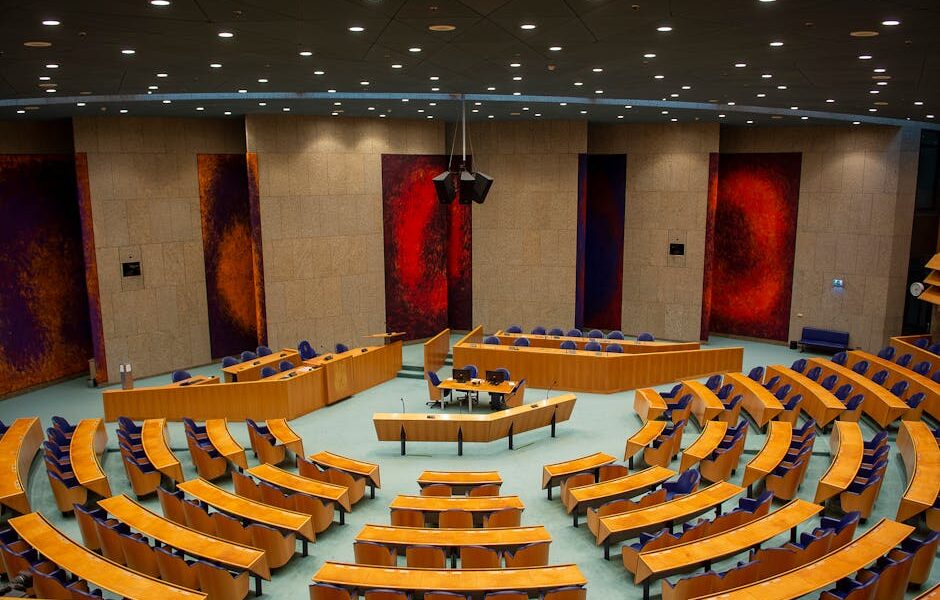
The annual gathering of the world’s health ministers and top officials in Geneva this week took a notable turn away from narrow disease silos and toward a broader vision of well-being. During the Seventy-ninth World Health Assembly, delegates and experts zeroed in on chronic diseases and mental health as the twin pillars of a looming global crisis—and called for a radical redesign of how health systems deliver care.
A Shift From Silos to System-Wide Thinking
Noncommunicable diseases (NCDs) like heart disease, diabetes, and cancer, along with mental health conditions, now account for the vast majority of illness and premature death worldwide. Yet our health systems remain stubbornly fragmented, often treating one condition at a time and leaving patients with multiple diagnoses to navigate a maze of specialists. At a strategic roundtable convened during the assembly, ministers and policy-makers heard a clear message: the old model isn’t working.
Participants argued for a move toward integrated, people-centered approaches that manage patients holistically. They pointed to the shared social and commercial drivers behind many NCDs—such as tobacco use, unhealthy diets, and pollution—and stressed that addressing them requires coordinated action far beyond the clinic walls.
“We need to stop thinking in terms of separate diseases and start thinking about people, their lives, and their communities,” one senior delegate remarked during the discussion.
The Quiet Power of Fiscal Policy
A less publicized but potentially transformative theme emerged during the session: the role of taxes, incentives, and financial reforms as tools for prevention. Instead of relying solely on medical interventions, speakers highlighted how governments can use fiscal policy to discourage harmful consumption—like sugary drinks or tobacco—while funding prevention programs and strengthening primary care. This ‘health in all policies’ approach signals a recognition that the biggest levers for better health often sit in ministries of finance, not health.
The momentum follows the 2025 Political Declarations on NCDs and mental health, which renewed global commitments to multisectoral action. Those declarations were a first step; the real work, speakers said, lies in translating promises into budget lines and clinic protocols.
Honoring Frontline Champions
Before the policy debates began, the assembly paused to recognize six individuals and institutions whose work embodies this human-centered ideal. The annual public health awards were presented by the Assembly President, Dr. Víctor Elias Atallah Lajam of the Dominican Republic, alongside WHO Director-General Dr. Tedros Adhanom Ghebreyesus. The laureates come from diverse corners of the globe and were celebrated for advancing primary health care, reducing inequities, and bringing the goal of health for all a little closer.
Their stories—ranging from community health workers in remote areas to researchers tackling neglected diseases—served as a reminder that even amid grand strategy, progress often depends on the dedication of individuals.
Ukraine: A Humanitarian Health Emergency Lingers
On a separate track, delegates took up the ongoing health crisis in Ukraine. After reviewing a report from the Director-General on the humanitarian and emergency health response, the assembly approved a decision to continue implementing a resolution first adopted in 2022 (WHA75.11). WHO will remain active in supporting Ukraine’s emergency health system, and a progress report is now due by the 2027 assembly.
The decision passed with little fanfare, but it underscores a grim reality: even as the world looks toward the next pandemic or the NCD epidemic, old conflicts continue to stretch health systems and endanger lives.
Original Insight: The Forgotten Link Between Loneliness and Chronic Disease
One topic that received only passing mention during the roundtable but deserves far more attention is the role of social isolation. Recent studies increasingly link loneliness to higher rates of cardiovascular disease, depression, and even dementia—suggesting that our fragmented health systems are not just medically inefficient but socially disconnected. An integrated, people-centered model would, by definition, have to address the loneliness epidemic that silently worsens outcomes for millions. While the assembly focused on fiscal and systemic reforms, the simplest and most cost-effective intervention—building stronger social ties—remained largely in the shadows. That may be the next frontier for the movement launched here in Geneva.