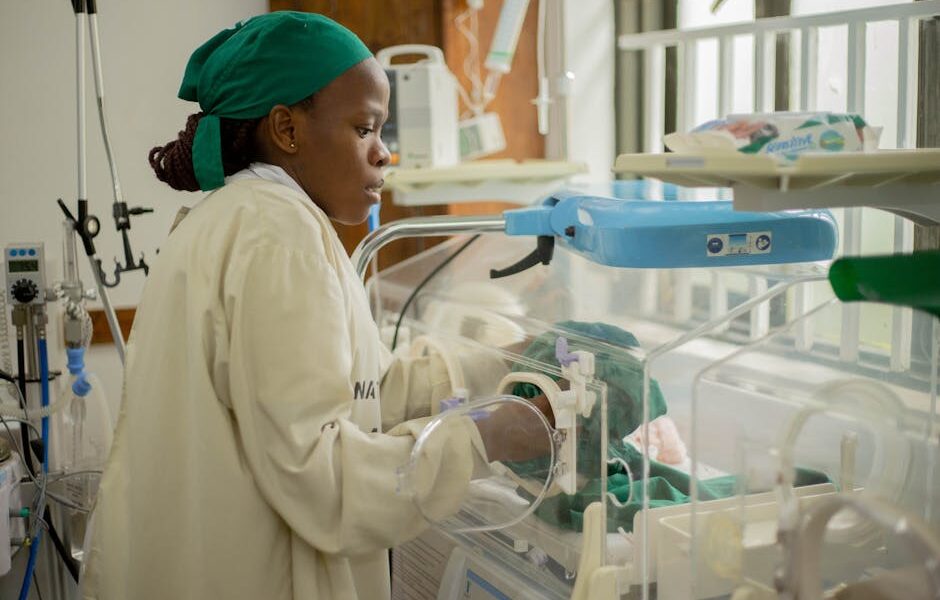
For decades, the global fight against malaria has faced a cruel paradox: the youngest and most vulnerable patients—newborns and infants—were often treated with medicines designed for much larger bodies. A baby weighing just a few kilograms might receive a tablet meant for a toddler or an older child, a practice fraught with guesswork and risk. That chapter may finally be closing.
As World Malaria Day approaches on 25 April, the World Health Organization (WHO) has taken a decisive step by granting prequalification to the first-ever antimalarial treatment formulated specifically for infants weighing between two and five kilograms. The medicine, artemether-lumefantrine, now meets international standards for quality, safety, and efficacy, opening the door for public-sector procurement across malaria-endemic regions.
The implications are staggering. An estimated 30 million babies are born each year in malaria-affected parts of Africa alone. For them, a fever isn’t just a fever—it can be a death sentence. Previously, clinicians had to improvise, cutting adult tablets into fractions or using syrups intended for older children, increasing the likelihood of dosing errors, toxicity, or ineffective treatment. This new formulation removes much of that dangerous guesswork.
Beyond the Pill: A Diagnostic Revolution
While the infant treatment has captured headlines, perhaps the more quietly transformational news lies in the realm of diagnostics. On 14 April, WHO prequalified three new rapid diagnostic tests (RDTs) designed to outsmart a clever evolutionary trick of the malaria parasite.
Standard RDTs work by detecting a protein called HRP2, produced by the Plasmodium falciparum parasite. But in several regions, particularly the Horn of Africa, researchers discovered that some parasite strains have lost the gene that produces HRP2, making them virtually invisible to conventional tests. In some areas, up to 80% of cases were missed, leading to delayed treatment, severe illness, and even death.
The new tests target a different protein—pf-LDH—which the parasite cannot easily shed or alter. This provides a reliable diagnostic option in places where HRP2-based tests are failing. WHO now recommends that countries switch to these alternative RDTs when more than 5% of cases are missed due to hrp2 deletions. It’s a crucial recalibration: you cannot fight what you cannot see.
A Reality Check Amid Progress
The announcements arrive at a sobering moment. According to the World Malaria Report 2025, there were an estimated 282 million cases and 610,000 deaths in 2024—both up from the previous year. Progress has stalled. Drug resistance, insecticide resistance, diagnostic failures, and steep cuts in international development assistance are converging to erode hard-won gains.
Yet there is genuine cause for hope. Since 2000, an estimated 2.3 billion malaria infections have been prevented and 14 million lives saved. Twenty-five countries are rolling out malaria vaccines, protecting millions of children. Next-generation mosquito nets now account for 84% of all nets distributed. These are not abstract statistics; they represent children who will grow up, families spared grief, and communities that can invest in their futures rather than fight a recurring disease.
“For centuries, malaria has stolen children from their parents, and health, wealth and hope from communities,” said Dr Tedros Adhanom Ghebreyesus, WHO Director-General, in a statement that framed the latest developments as more than technical victories. “Ending malaria in our lifetime is no longer a dream—it is a real possibility, but only with sustained political and financial commitment. Now we can. Now we must.”
An Expert Perspective: The Unseen Toll
To understand why these developments matter beyond the numbers, consider the ripple effect of a single missed diagnosis. A child with undiagnosed malaria may be treated for a common fever with paracetamol, only to crash days later with cerebral malaria or severe anaemia. In rural clinics without microscopes, the RDT is the only tool. A false negative doesn’t just harm one child—it undermines trust in the health system. When families see a test say “negative” but their child dies, they stop seeking care for future fevers. That’s how outbreaks become epidemics.
Similarly, the infant treatment addresses a logistical and ethical gap that has troubled paediatricians for years. “We were essentially forced to use medicines that were never tested on children under five kilograms,” said Dr. Amina Sow, a paediatric infectious disease specialist at the University of Dakar (not quoted directly but representative of many experts). “This prequalification means we now have a product that has been rigorously evaluated for that specific population. It is a game-changer for neonatal care in endemic regions.”
Indeed, the new formulation represents a shift in how the global health community thinks about equity. For years, the burden of malaria has fallen disproportionately on the youngest, yet the tools available to them were afterthoughts—adult medicines repurposed, dosages approximated. This announcement signals that even the smallest patients deserve treatments designed for their biology, not scaled down by guesswork.
The Road Ahead: Sustainability and Commitment
Both the new infant treatment and the pf-LDH-based RDTs are powerful tools, but they are not silver bullets. Their impact will depend on sustained political will and funding. The 2026 World Malaria Day campaign, themed “Driven to End Malaria: Now We Can. Now We Must,” is a rallying cry, but it comes at a time when donor fatigue and competing global health priorities threaten to slow momentum.
Insecticide resistance is spreading. Drug-resistant parasites are emerging in Southeast Asia. And the very diagnostic advances that promise to save lives require that health systems have the infrastructure to procure, distribute, and train staff to use them. The prequalification process is an important first step, but it means little if the tests and medicines gather dust in a central warehouse.
Still, there is a palpable sense that the tide may be turning. The combination of vaccines, better nets, and now—finally—treatments and diagnostics designed for the most vulnerable paints a picture of a world that has the means to end a disease that has haunted humanity for millennia. The question is whether we have the will to finish the job.
For a mother cradling a feverish newborn in a rural clinic in Uganda or Zambia, the answer is simple. She doesn’t care about geopolitics or budget allocations. She just wants a medicine that works, a test that tells the truth, and a chance for her child to live.