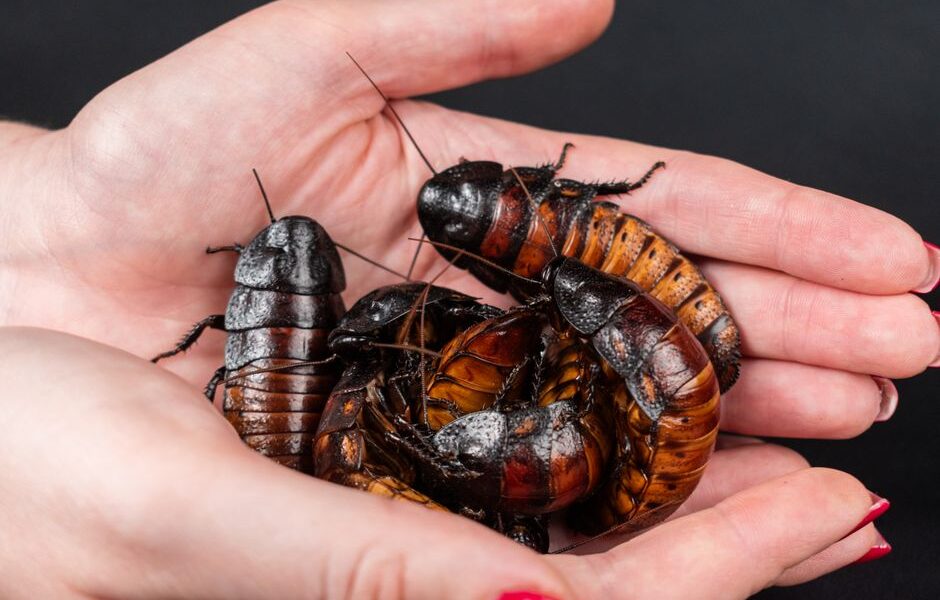
In the space of a single week, a satirical online party built around a single insult has amassed more Instagram followers than India’s ruling political machine. The Cockroach Janta Party — a name that began as a throwaway comparison by a top judge — has ballooned into a symbol of youth frustration, digital rebellion, and a pointed critique of how those in power talk about the people they govern.
One Comment, a Million Reactions
It all started earlier this month when India’s Chief Justice Surya Kant, during a hearing, reportedly compared unemployed young people to cockroaches. The remark, which he later clarified was aimed at those using fraudulent degrees, was seized upon by Abhijeet Dipke, a Boston University student originally from India. Within days, Dipke launched the Cockroach Janta Party’s website and social media accounts, turning the insult into a badge of honour.
The movement’s initials — CJP — are a deliberate echo of the ruling Bharatiya Janata Party (BJP). That phonetic jab is no accident: it’s a way of shouting that the establishment has become deaf to the struggles of ordinary Indians. As Dipke put it in an interview, “Those in power think citizens are cockroaches and parasites. They should know that cockroaches breed in rotten places.”
A Digital Blitzkrieg
The numbers tell a story of their own. The CJP’s Instagram page has attracted over 22 million followers in just one week. For context, the BJP — the world’s largest political party — currently sits at around nine million. Dipke claims more than a million people have signed up to “join” the movement, and nearly 600,000 have backed a petition calling for the resignation of Education Minister Dharmendra Pradhan.
The petition is tied to serious allegations: exam paper leaks that forced the cancellation of a national medical entrance test, sparking protests across the country. The CJP has cleverly attached itself to this broader anger, giving young Indians a meme-powered vehicle to vent real grievances.
The Hack and the Takedown
On Saturday, Dipke posted on X that the Indian government had taken down the party’s website. He also said his personal Instagram account and the CJP account had been hacked. Whether these actions are officially coordinated or the work of unknown actors, the effect is the same: a movement that lives and breathes online is suddenly fighting to stay alive.
The government hasn’t confirmed or commented on the takedown, but Dipke’s claims have resonated widely. For many, it feels like a heavy-handed response to what is, at its core, a satirical campaign — albeit one that has struck a nerve.
Deeper Than a Meme
It’s easy to dismiss the Cockroach Janta Party as a flash in the pan, a viral joke that will fizzle out as soon as the news cycle moves on. But that would miss the point. Satire has a long and proud tradition in Indian political life, from the political cartoons of R.K. Laxman to the sharp comedic jabs of AIB and The Viral Fever. What makes the CJP different is its scale and speed. It’s not a sketch or a parody song; it’s a fully-fledged alternative brand, complete with merchandise, a petition, and a leader who speaks from abroad, beyond easy reach.
What’s truly original here is the way the movement weaponises a term of contempt. By embracing the label “cockroach,” the CJP turns a moment of elite disdain into a badge of collective identity. It’s a tactic we’ve seen before — from the “Ok Boomer” retort to the “Deplorables” in US politics — but it’s rarely spread so fast in India. The movement’s success suggests a deep reservoir of cynicism toward the political class, particularly among the young, who feel both unheard and unfairly blamed for their own unemployment.
The real question now is whether this digital uproar can translate into anything lasting. Will the CJP evolve into a registered political party? Will it push for policy changes? Right now, it doesn’t need to. Its power lies in being a mirror — one held up to a government that may not like what it sees.
What Comes Next?
For Dipke, the immediate focus is on restoring the website and the hacked accounts. But the genie is out of the bottle. A movement born from a judge’s careless words has become a lightning rod for discontent over unemployment, exam leaks, and a sense that the system treats young people as pests rather than citizens.
Whether the Cockroach Janta Party scurries into the history books or survives to become something more, it has already accomplished something remarkable: it made millions of Indians laugh, think, and organise — all over a single, six-legged insect.