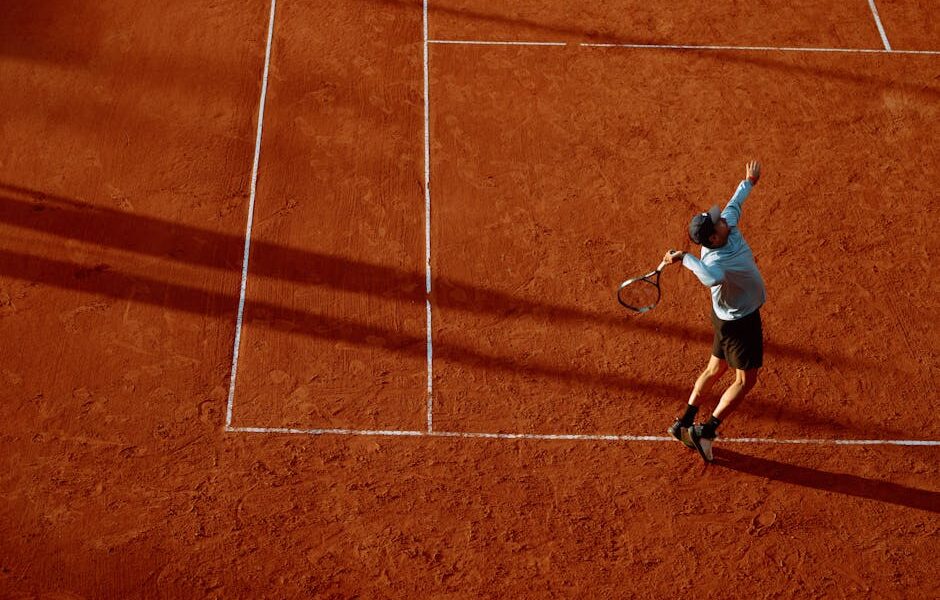
The red clay of Roland Garros has seen countless battles, but the most significant match of the 2026 French Open might be happening off the court. Top tennis stars are locked in a quiet but determined revolt against the sport’s biggest tournaments, demanding a fundamental shift in how Grand Slam revenue is shared. A recent meeting between player representatives and French Open organizers has been described as “positive,” signaling that the winds of change may finally be blowing through the sport’s stuffy corridors.
Beyond the Baseline: What the Players Want
This isn’t just about a few extra euros in the paycheck. A coalition of roughly 20 elite players—including world number ones Jannik Sinner and Aryna Sabalenka—is calling for a dramatic overhaul of the financial relationship between athletes and the four Grand Slam events. Their core demand: a 22 percent share of tournament revenue by 2030, up from the current 15 percent. To put that in perspective, Grand Slam tournaments are cash cows, generating hundreds of millions in TV rights, sponsorship, and ticket sales, yet players see a relatively small fraction of that bounty.
But the dispute runs deeper than percentages. The players are also pushing for a genuine seat at the decision-making table. They want a voice in how the tournaments are run, from scheduling to rule changes. On top of that, they’re advocating for better “well-being” investments—things like comprehensive healthcare, paid maternity leave, and pension plans that offer security beyond a playing career. It’s a collective bargaining cry for dignity and long-term stability in a sport where careers are short and injuries can end everything overnight.
Tactics of Discontent: The Media Boycott
To underscore their frustration, the players staged a subtle but noticeable protest. During the traditional two-day media marathon ahead of the tournament, 20 stars limited their press obligations to just 15 minutes each—a far cry from the usual hour-long scrums. It was a quiet flex, a way of saying, “We control the attention economy, and we’re not giving it away for free.” The message was clear: if the sport’s powerbrokers won’t listen, the players will make their absence felt.
A New Era of Negotiation
The Friday meeting at Roland Garros, which included French Open director and former world number one Amelie Mauresmo, was a breakthrough of sorts. The French Tennis Federation (FFT) has now committed to responding to the players’ proposals in the coming weeks. More importantly, they’ve agreed to keep the dialogue open. This is a huge departure from the old model where tournament officials handed down prize money like a royal decree.
The momentum isn’t stopping in Paris. Player agents have already scheduled separate talks with Wimbledon and US Open organizers during the latter stages of the French Open. Notably, the Australian Open has not yet been looped in, creating an interesting dynamic that could put pressure on the Melbourne Slam to get on board or risk being left behind.
Original Insight: The Power Shift is Real
What’s happening here is bigger than tennis. This is a sport slowly waking up to the 21st century, where athletes have discovered they have more leverage than they realize. Unlike in American team sports, where players’ unions have fought for decades for revenue-sharing, tennis has lagged—partly because it’s a global sport with fragmented governance. But the rise of social media and direct-to-fan engagement has given players a megaphone they never had before. They no longer need the press room to reach millions. That 15-minute media boycott? It was a pointed reminder that the real product is the athlete, not the trophy. The days of accepting a take-it-or-leave-it check are ending. If the Grand Slams want to keep their stars showing up—and keep the billion-dollar machine running—they’ll have to start treating players less like contractors and more like partners.
No Quick Fix for Prize Money
For now, fans hoping for an instant payout hike will be disappointed. Mauresmo confirmed that the prize money for the 2026 French Open remains unchanged. But the long-term picture is what matters. This is the first time in years that the players have organized collectively across the ATP and WTA tours to confront the four majors as a bloc. That unity is their greatest asset. If they can hold together—and keep the negotiations going through Wimbledon and the US Open—the next few months could reshape tennis economics for a generation. All eyes are now on the clay, where the real match is only just beginning.