In a heart-wrenching public health emergency, Bangladesh is grappling with a measles outbreak that has claimed the lives of over 500 children — a grim milestone that underscores the fragility of healthcare systems in the wake of political upheaval. The death toll, which stood at 512 as of late May, continues to climb, with 13 new fatalities reported in a single 24-hour span. This is the deadliest surge the country has seen in decades, and it is a stark reminder that even well-known, vaccine-preventable diseases can become lethal when routine immunization programs stumble.
A Crisis Born from Disruption
The root of this catastrophe lies not in the virus itself, but in the chaos that followed Bangladesh’s 2024 student-led protests — a movement that toppled the government and left the nation’s health infrastructure reeling. According to UNICEF, immunization coverage suffered significant setbacks during and after the unrest, leaving a dangerous gap in protection for millions of children. The health department’s data shows that most of the victims have been children aged between six months and five years, the very group most vulnerable to measles and its severe complications.
Doctors on the frontlines describe a nightmare scenario. Hospitals in the capital, Dhaka, are overwhelmed. Dedicated measles wards have been set up, but intensive care beds are in critically short supply. Many children arrive already fighting for breath, with respiratory distress and multiple infections in their eyes, throat, and lungs. “Though measles is highly contagious, a healthy baby with no complications can survive with minimal medication,” said Dr. Ainul Islam Khan, a pediatrician at Shaheed Suhrawardy Medical College and Hospital. “Here, most children came to the hospital with respiratory distress and infections.”
The Vaccination Campaign: A Race Against Time
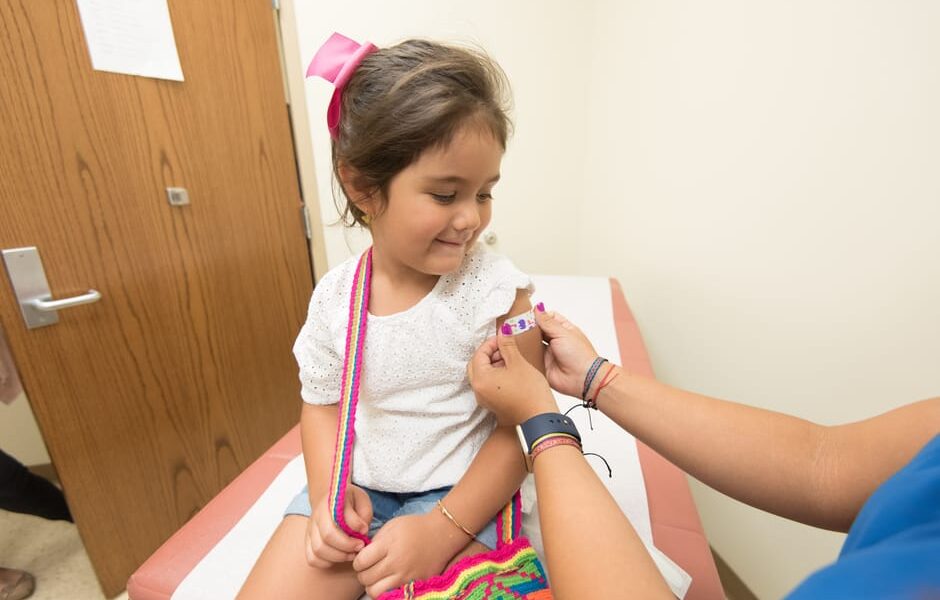
In response, Bangladesh has launched a massive vaccination drive. UNICEF’s country chief, Rana Flowers, reported that the campaign has already reached 18 million children. It is an extraordinary logistical effort in a nation of 175 million people, but the health department warns that the full impact of the vaccinations will not be felt for months. In the meantime, the disease continues to spread, exploiting the immunity gaps left by the disruptions of the past two years.
The outbreak has also sparked a secondary concern: antimicrobial resistance. A policy brief published by the Global Antibiotic Resistance Partnership warned that vaccination gaps can worsen this global threat. When children are not protected against measles, they are more likely to develop secondary bacterial infections, leading to increased and often inappropriate use of antibiotics — a perfect storm for breeding resistant superbugs.
Beyond the Numbers: A Call for Resilience
This tragedy is a powerful lesson in the interconnectedness of political stability and public health. The student-led protests were a necessary push for democracy, but their unintended consequence has been a death sentence for hundreds of children. The outbreak is now described as contained by the government, which points to a decline in cases in some previously hard-hit areas. But for the families who have lost a child, containment is a cold comfort.
Looking forward, UNICEF has stressed the need to boost vaccination programs and increase funding for health facilities, surveillance, and data systems. But the true test will be whether these systems can withstand the next crisis — whether political, natural, or economic. Measles is a disease we know how to stop. The only missing ingredient is a reliable, resilient public health infrastructure that survives the storms it was built to weather.
As the world watches Bangladesh mourn its children, the question remains: how many more must die before we treat routine immunization not as a luxury, but as a lifeline?