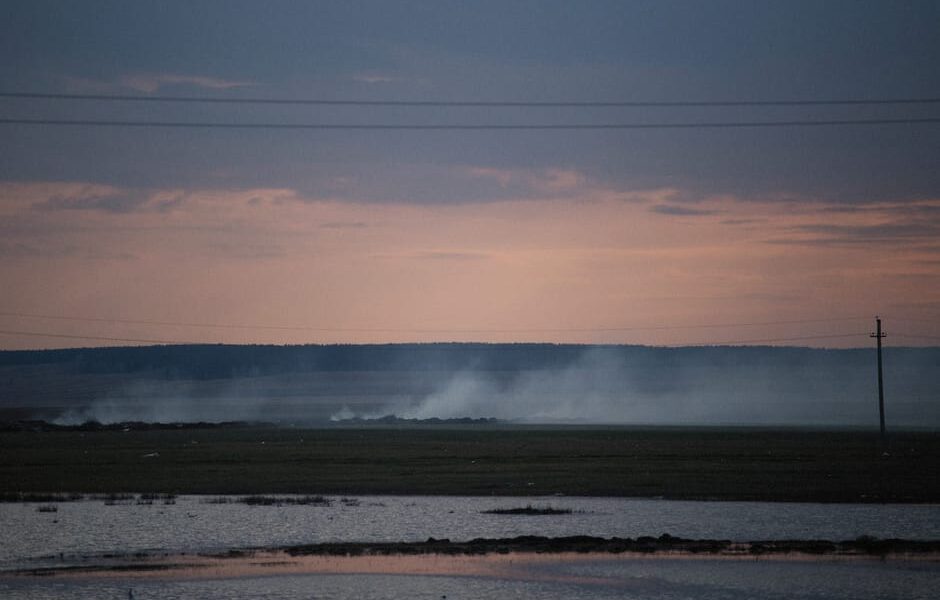
For communities along Lebanon’s southern coast, the roar of warplanes has become a grimly familiar soundtrack. The latest strike, which hit the Al-Baqbouq area just north of the historic port city of Tyre, sent thick plumes of smoke billowing into the sky on 23 May 2026. According to initial reports, multiple Syrian workers sustained injuries in the attack — an incident that underscores a troubling pattern in a conflict that rarely respects borders or occupations.
Who Gets Hurt When a Bomb Falls?
When we hear about air strikes, the headlines tend to focus on military targets or high-level political fallout. But often, the real human toll lands on some of the most vulnerable people in the region: migrant laborers. Syrian refugees and workers in Lebanon already live on a knife’s edge, facing economic hardship, legal restrictions, and limited access to healthcare. After an explosion, they are the ones scrambling for cover, often in temporary housing or agricultural camps with no shelter. The fact that this particular attack left Syrian nationals injured is not incidental — it speaks to a deeper crisis of protection for non-combatants caught in a crossfire not of their making.
Why This Time and Place Matters
Tyre has been a crossroads of civilizations for millennia, from the Phoenicians to the Romans, but today it sits in one of the most volatile strips of the Middle East. The Al-Baqbouq area, a relatively rural stretch north of the city, has seen sporadic violence in recent months as Israel and Hezbollah continue their low-boil exchanges. What makes this strike different is the daylight timing and the specific target: witnesses described a strike that appeared aimed at a small industrial or agricultural facility, not a known military post. This ambiguity raises questions about intelligence accuracy and the proportionality of the response.
Broader Context: The Unwritten Rules of Engagement
For years, both Israel and Hezbollah have operated under a set of unofficial red lines. Strikes in southern Lebanon have usually been confined to uninhabited zones or known weapons depots. But recent months have seen a quiet escalation, with attacks creeping closer to civilian infrastructure. This incident fits into a worrying trend: the gradual blurring of what was once considered off-limits. If the unwritten rules break down entirely, the result could be a full-blown confrontation that pulls in not just Lebanon and Israel but also Iran, Syria, and the international community.
What Happens Next: The Diplomatic Vacuum
As of now, there has been no official statement from the Israeli military regarding this specific strike. The Lebanese government, meanwhile, is caught in a familiar bind: condemn the attack, call for a UN intervention, but lack the leverage to stop it. For Syrian workers on the ground, the only immediate change will be deeper fear and fewer safe places to turn.
In the coming days, expect to hear renewed calls for a ceasefire from international mediators. But without a broader political framework to address the root causes — including the status of disputed border areas and the presence of non-state armed groups — these appeals will likely ring hollow. For the injured Syrians in Tyre’s hospitals, the sound of diplomacy is much quieter than the sound of jets.