It started as a routine report of workers trapped and a fire aboard a barge at a Staten Island shipyard. Within an hour, that call became one of the most dangerous incidents New York City firefighters have faced in recent memory. One civilian is dead, more than 30 people are injured, and at least two first responders are fighting for their lives in hospital.
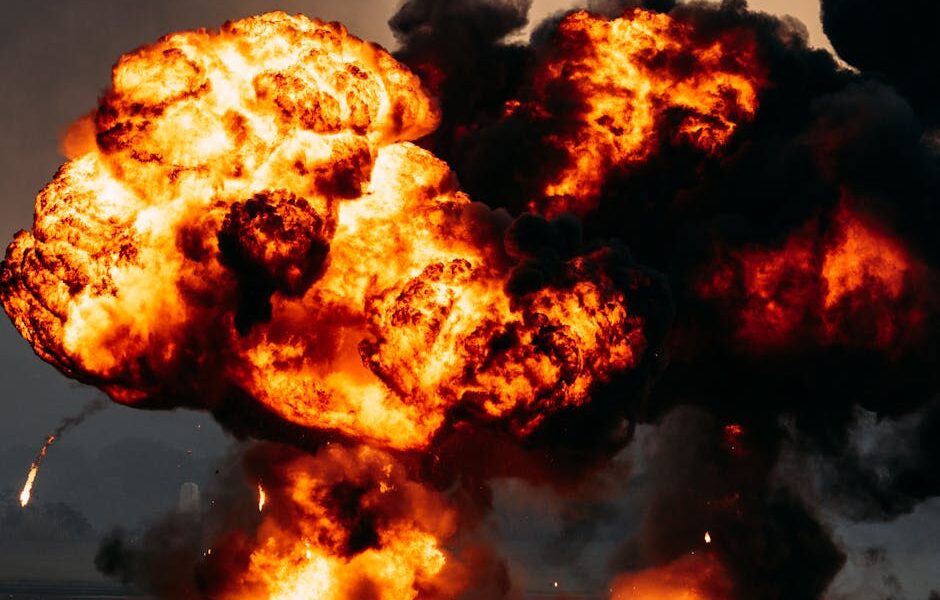
The explosion, which erupted around 4:20 PM local time on Friday, sent shockwaves through the working-class borough. Officials say the blast occurred roughly 50 minutes after the initial fire call, catching even experienced crews off guard. New York Mayor Zohran Mamdani described the scene as “a complex, fast-developing emergency situation” during a Friday evening press conference.
Why This Was Different
Shipyard fires present a unique set of dangers that are unlike structural blazes in office buildings or homes. The presence of welding gas, hydraulic fluids, paints, and solvents in confined metal spaces can turn a small fire into a catastrophic explosion in seconds. According to retired FDNY Deputy Chief Joseph Lattanzi, who now consults on industrial fire safety, “You have a universe of flammable materials in a shipyard that you don’t see in a regular building. Every compartment is a potential pressure cooker.”
The incident began when two workers became trapped in a confined space as smoke spread through a metal structure at the dock. Firefighters arrived and located the fire in the basement of that structure. Then the blast came, likely fueled by the very materials the crew was trying to contain.
The Human Toll
As of Friday evening, one fire marshal remains in critical condition and one firefighter is in serious condition. The deceased was a civilian, according to the New York City Fire Department. At least 34 people were injured in total, including firefighters and other first responders—a stark reminder that the people who run toward danger are often the ones who pay the highest price.
- 1 civilian dead
- 34 total injured (firefighters, first responders, and civilians)
- 2 firefighters in critical or serious condition
The cause of the fire and explosion remains under investigation. Officials have not yet released any details about what might have ignited the blaze, but industrial safety experts say the investigation will likely focus on storage practices, ventilation systems, and the condition of onboard equipment.
A Broader Problem
This tragedy is not an isolated event. Across the United States, shipyard and maritime accidents have been on a slow but steady rise due to aging infrastructure and increased pressure to move cargo quickly. A 2023 report from the National Fire Protection Association noted that fires in industrial and manufacturing facilities are three times more likely to cause serious injury than fires in other types of properties. Yet funding for specialized maritime firefighting training has not kept pace.
What makes this Staten Island blast particularly troubling is that it happened on a barge—essentially a floating worksite with limited escape routes. Unlike a land-based structure, you cannot simply run out the back door. Every response requires coordination with the Coast Guard, port authorities, and often the Navy. When things go wrong, they go wrong fast.
What Comes Next
The FDNY has opened a full investigation. In the coming days, we will likely learn more about the sequence of events, the type of materials involved, and whether any safety protocols were bypassed. In the meantime, residents of Staten Island should prepare for continued road closures and traffic delays as investigators comb through the wreckage.
This tragedy also raises uncomfortable questions that go beyond Staten Island. Are we doing enough to protect the men and women who respond to industrial emergencies? Are our shipyards—many of which date back to World War II—safe enough for the workers and first responders who depend on them? The answer, as Friday’s explosion makes painfully clear, may be no.