In a moment of chaos and terror, three men made a split-second decision that likely saved dozens of lives. Their actions during the assault at the Islamic Center of San Diego on May 22, 2026, have turned them into symbols of courage and selflessness—not just for the local Muslim community, but for the entire city.
More Than a Funeral: A Gathering of Solidarity
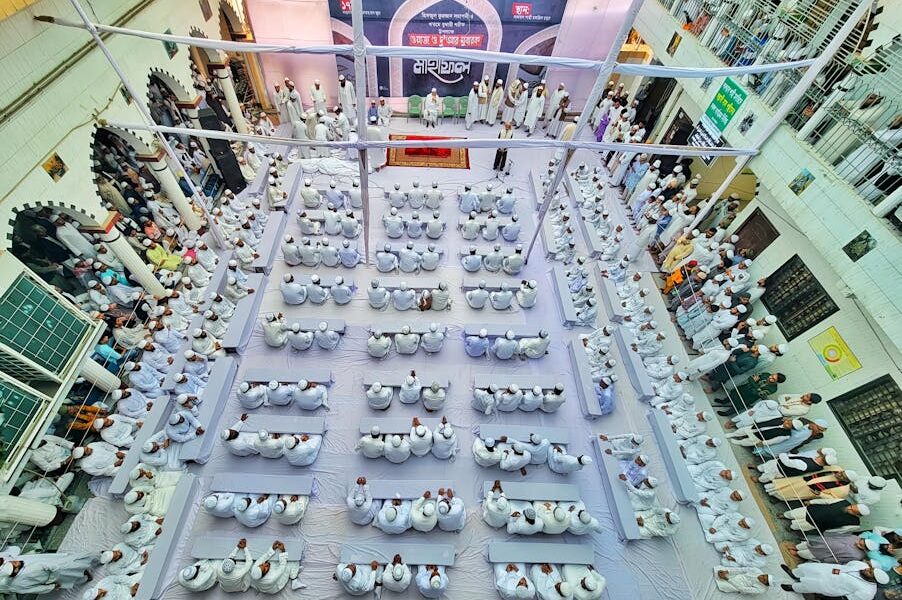
Over 2,000 people—Muslims and non-Muslims alike—packed the prayer grounds and spilled onto the streets outside the mosque to attend the Islamic funeral prayers for the three victims. The crowd included interfaith leaders, local politicians, and ordinary residents who came to pay their respects. This was not just a religious ceremony; it was a public statement that hate would not divide them.
What Really Happened That Day
According to community members and law enforcement, the three men—whose names have been withheld by family pending further notice—were among the first to confront the armed assailants. Witnesses say they rushed toward the gunfire without hesitation, buying precious seconds for others to escape or take cover. The attackers were later neutralized by police, but not before the three victims had made the ultimate sacrifice.
The exact number of lives saved is impossible to calculate, but one survivor described it simply: “They gave us time. That’s everything.”
A Broader Context: The Rising Fear of Targeted Violence
This attack is part of a worrying trend. Over the past five years, there has been a measurable increase in hate crimes directed at Muslim communities in the United States, according to data from the FBI and civil rights groups. While most incidents involve vandalism or threats, armed assaults are becoming more frequent. The San Diego massacre—though its motive is still under investigation—fits into a pattern where places of worship have become targets.
What is different this time is the community’s response. Rather than retreating into fear, the congregation of the Islamic Center has opened its doors wider. In the days since the attack, they have held interfaith dialogues, invited neighbors for iftar meals (as it falls during Ramadan), and launched a fund for the victims’ families that has already raised over $600,000.
The Unseen Impact: What This Means for Every American
Here is an uncomfortable truth: when a hateful act targets one minority group, it chips away at the safety of everyone. The shooter did not just attack Muslims; he attacked the idea that people can worship freely in this country. The national conversation often focuses on the victims of such tragedies, but we too often ignore the silent trauma carried by those who now lock their doors a little tighter and watch strangers a little more warily.
Yet, in San Diego, a different story emerged. The fact that 2,000 people attended the funeral—many of whom were not Muslim—says something profound about the resilience of a community that refuses to be terrorized. It sends a message that the shooter miscalculated: he hoped to sow fear, but instead he watered seeds of unity.
Looking Forward: What Comes Next
In the coming weeks, the mosque plans to install enhanced security measures, including panic buttons and a new vigilance system. But members say their true defense is each other. “We are not afraid,” one elder told the crowd during the funeral. “We are sad, but we are not afraid. Our faith is stronger than their bullets.”
For the families of the three men, there is only grief—and pride. “They died as they lived,” a brother of one victim said quietly after the service. “Helping people.”
As the sun set over the packed parking lot, strangers hugged and shared bottles of water under the harsh afternoon heat. It was not the end of a story, but the beginning of something else: a city learning that standing together is the only way to stand at all.