On the surface, Alberta’s announcement of an October referendum looks like a dramatic step toward national fracture. But dig beneath the headlines, and this vote is less about secession than about a province demanding to be heard—and the rest of Canada finally having to listen.
Premier Danielle Smith confirmed Thursday that Albertans will head to the polls on October 19 to answer a carefully worded question: Should Alberta remain a province of Canada, or should the government begin a legal process for a future binding vote on separation? The framing is deliberate. This isn’t a direct ‘yes or no’ on independence—it’s a two-stage trigger. Only if Albertans choose the second option would the province then navigate the arduous constitutional path defined by Canada’s Clarity Act.
A Movement Born of Frustration, Not Consensus
While separatist petitions have drawn significant support—more than 300,000 signatures calling for independence, and over 400,000 urging the province to stay—opinion polls consistently show most Albertans oppose leaving Canada. The real story here is the emotional and political chasm between the province’s resource-driven economy and Ottawa’s centralized decision-making.
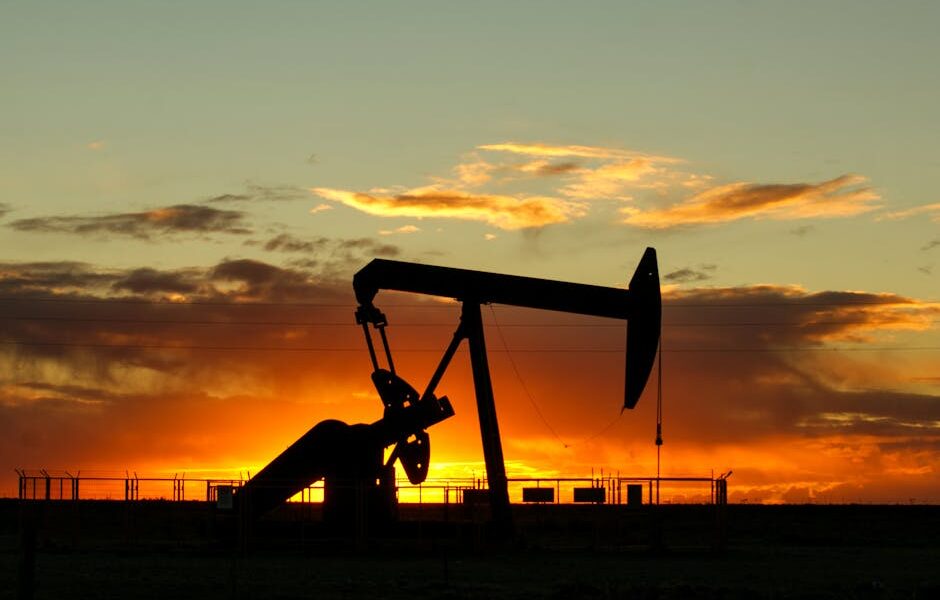
That chasm has been widening for decades. Alberta’s oil and gas sector has long felt sidelined by federal climate policies. Many residents believe the province pays far more into the national treasury than it gets back. And while that grievance is real, it has rarely translated into a majority desire to sever ties completely.
What the Premier Isn’t Saying
Smith has positioned herself as a reluctant champion of the referendum process. She said she personally would vote for Alberta to stay in Canada, adding that her government and caucus share that position. Yet she framed the vote as a democratic necessity, arguing that a court ruling halting a previous separatist petition—on the grounds that Indigenous First Nations were not properly consulted—amounted to ‘silencing hundreds of thousands of Albertans.’
That legal twist is critical. The court’s decision reflected Canada’s constitutional reality: Indigenous rights are not optional. Any future separation would require their consent, consultation, and negotiation. By framing the referendum as a pushback against judicial overreach, Smith risks oversimplifying a profoundly complex legal landscape.
Why the Clarity Act Looms Large
Prime Minister Mark Carney has already invoked the Clarity Act, the 26-year-old law born from Quebec’s near-successful 1995 independence referendum. That act requires that any future referendum on leaving Canada must feature a clear question, a clear majority, and federal oversight. Even if Albertans vote ‘yes’ in October to start the process, the next step—a binding vote—would have to meet those strict standards. And even then, negotiations over the division of assets, borders, debts, and treaties could take years.
In other words, October’s vote is the beginning of a long conversation, not the end of one. That nuance is often lost in the angry rhetoric of separatist rallies and social media posts.
Original Insight: A Vote About Power, Not Borders
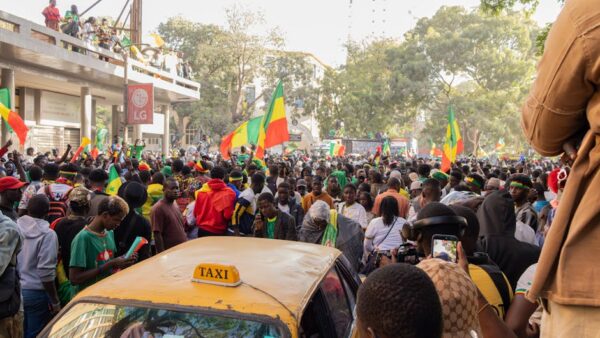
What many observers miss is that this referendum is fundamentally a power play—not a bid to redraw the map. Alberta’s separatist movement has never been unified around a single vision. Some want full independence. Others want more autonomy over resources and taxation while remaining in Canada. Still others simply want to send Ottawa a message: change the way you treat the West, or face the consequences.
Smith’s decision to hold the referendum now, despite knowing it will likely fail to produce a separatist majority, suggests she is gambling that the very act of voting will defuse the movement. By giving separatists a democratic outlet, she may actually be trying to drain the swamp—channeling anger into a ballot box where it can be measured, managed, and ultimately dismissed. It’s a risky strategy, but one that has worked in other democracies facing regional unrest: let the people speak, and let the majority’s voice quiet the fringe.
Yet there is a risk that the vote inflames rather than soothes. If the ‘yes to process’ side wins, even narrowly, the expectation of a binding vote will become a political freight train. And if it loses, separatists may cry foul, claiming the question was rigged or the process unfair. Either way, Canada’s internal tensions will be laid bare for the world to see.
Voices from Both Sides
Jeffrey Rath, a lawyer and prominent separatist advocate, called Smith’s referendum question a ‘bottom of the deck’ maneuver and accused her of betraying the independence movement. Meanwhile, federal Conservative leader Pierre Poilievre—himself an Albertan—said he stands ‘for a united country’ and promised to campaign for unity. Dominic LeBlanc, Canada’s Minister of Internal Trade, affirmed the Liberal government’s commitment to working with Alberta, but stopped short of endorsing the referendum.
The contrast is telling: even within the same province, there is no single story. Alberta is a place where deep-seated frustration coexists with genuine patriotism, where the promise of a pipeline to the Pacific—announced just weeks ago in a joint climate and energy deal between Smith and Carney—sits alongside calls for secession.
What Happens Next?
Between now and October, Albertans will be bombarded with arguments from both sides. The federal government will likely avoid direct intervention, preferring to let the democratic process play out. Indigenous leaders, whose constitutional rights were at the center of the court ruling that sparked this referendum, will demand a seat at the table. And separatist groups will continue to push for a simpler, more direct question that edges closer to an actual divorce.
For now, the rest of Canada watches. The last time a province voted on independence was thirty years ago, when Quebec came within a hair’s breadth of leaving. This time, the vote is different—it’s a test of whether a province can channel its grievances into a democratic process without breaking the country apart. The answer, whatever it is, will shape Canada for decades.
— This article is based on reporting by Nadine Yousif and Sareen Habeshian, and includes original analysis by the editorial staff.