Just when Ugandans thought they could breathe a little easier, the Ugandan Ministry of Health confirmed three new cases of Ebola in Kampala over the weekend. The announcement, which came late on Sunday, has put health workers and residents in the capital on high alert. The patients — two adults and one child — are all from the same household and are now isolated at a dedicated treatment unit.
This isn’t the first time Uganda has faced the virus. The country has weathered multiple outbreaks in the past two decades, most recently a Sudan strain outbreak in 2022 that claimed dozens of lives before being contained. But that experience didn’t make this new flare-up any less unsettling. For many Ugandans, it’s a stark reminder that infectious diseases are never truly gone; they’re just waiting for a crack in the armor.
Why This Time Feels Different
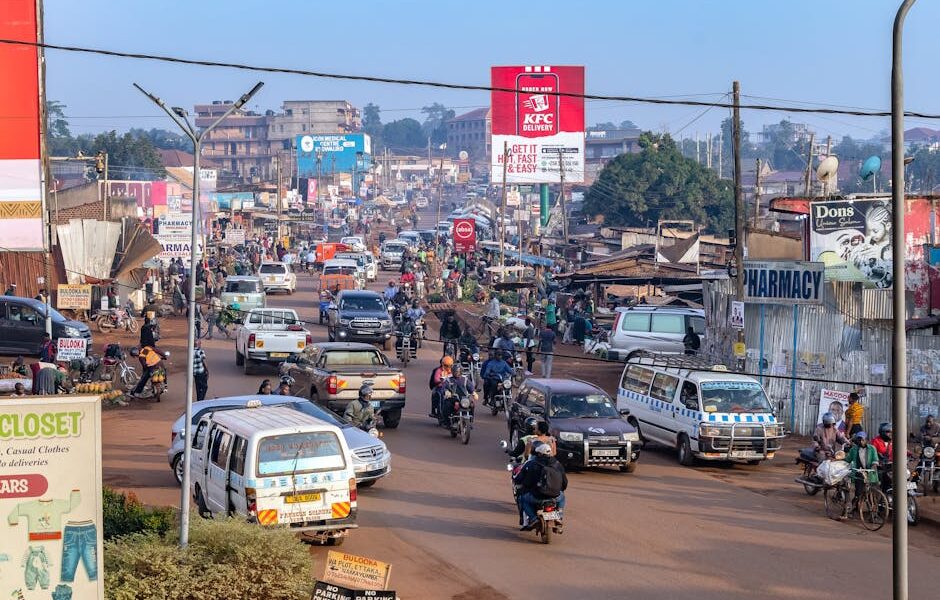
Unlike previous outbreaks that emerged in remote, forested areas near the Congo border, this one has appeared in Kampala — a bustling city of roughly 1.5 million people. That changes the game entirely. In a dense urban environment, every handshake, shared taxi ride, or crowded market stall becomes a potential transmission link. Public health officials are now scrambling to trace contacts, set up isolation zones, and remind people about basic hygiene measures that many had let slide since the last health scare faded from the headlines.
It doesn’t help that Uganda is still recovering from years of economic strain, a legacy of pandemic lockdowns, and a health system that is chronically underfunded. The country has only about 1.7 hospital beds per 1,000 people — well below the World Health Organization’s recommended minimum. That means even a small cluster of cases can overwhelm local facilities quickly.
A System Already Under Pressure
Local healthcare workers I’ve spoken with describe a mix of determination and exhaustion. Many were redeployed during the COVID-19 pandemic and later during the 2022 Ebola outbreak. Now they’re being asked to suit up in personal protective equipment again — in tropical heat that makes the gear almost unbearable — all while managing the same daily caseload of malaria, tuberculosis, and maternal health emergencies. Dr. Patience Akello, a nurse at Mulago National Referral Hospital, told me: “We are tired. But we know what to do. The worry is that people have become complacent. They think Ebola is something that happens in other districts, not here in Kampala.”
The Bigger Picture: A Continent on the Watch
This small outbreak isn’t just Uganda’s problem. East Africa has seen a worrying pattern of viral hemorrhagic fevers in recent years, from Marburg in Rwanda to Rift Valley fever in Kenya. The region’s porous borders, busy trade routes, and large refugee populations make disease surveillance a constant challenge. When the Ugandan Ministry of Health announced these new cases, the East African Community health secretariat immediately went into emergency coordination mode. No one wants a repeat of the 2014–2016 West Africa Ebola epidemic, which killed over 11,000 people and exposed deep flaws in global pandemic preparedness.
There’s also a less discussed factor: climate change. Warmer temperatures and shifting rainfall patterns are pushing the fruit bats that carry Ebola into new areas, including more populated regions. Scientists at the Uganda Virus Research Institute have noted that the geographical footprint of the virus is expanding. What was once a rare spillover event is becoming a recurring threat.
What You Can Do — Yes, Even from Afar
For readers outside Uganda, it’s easy to dismiss this as a distant problem. But global health security is a chain, and it’s only as strong as its weakest link. An unchecked outbreak in Kampala could spread to Juba, Nairobi, or even beyond via international air travel. The World Health Organization has not recommended travel restrictions at this point, but it has urged neighboring countries to step up screening at border points.
On a human level, you can help by supporting organizations like Médecins Sans Frontières (Doctors Without Borders) or the Uganda Red Cross, which are already on the ground. They need funding for everything from thermometers to ambulances. Awareness also matters: share accurate information from reputable sources like the WHO or Uganda’s Ministry of Health, not unverified social media rumors that fuel panic or stigma.
Ultimately, the story of these three new Ebola cases isn’t really about a virus. It’s about what happens when a system that was already fragile gets hit yet again. The resilience of Ugandans is remarkable, but resilience can’t replace a functional health system. Let’s hope the world is paying attention before the next alert goes out.