When the leaders of Russia and China meet, the world watches for handshakes that rewrite the map of global energy. This week’s summit was no exception—except the big handshake didn’t come. Behind the patriotic speeches and signed photo-ops, the proposed Power of Siberia 2 pipeline remains stuck in diplomatic limbo, exposing a deepening tension in the Moscow-Beijing partnership that goes far beyond a single gas deal.
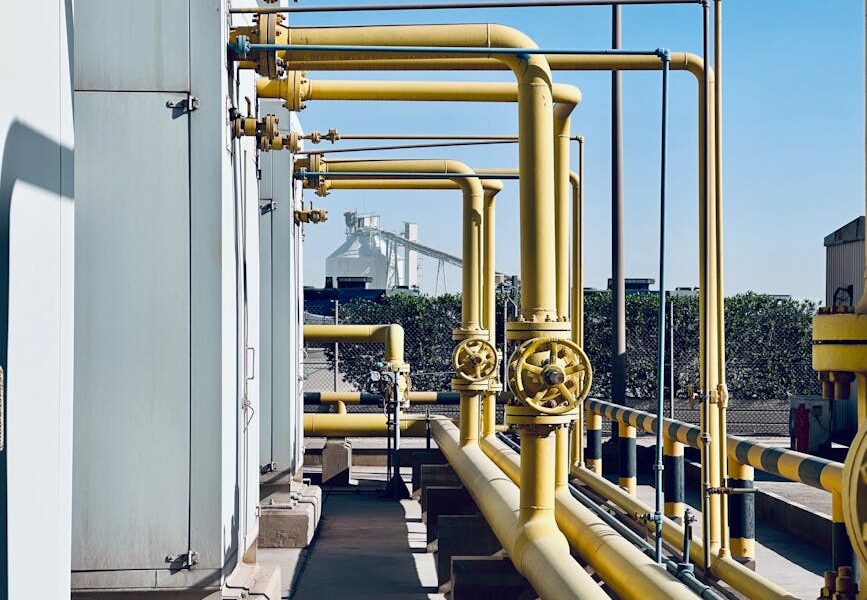
The pipeline, designed to carry 50 billion cubic meters of Russian natural gas per year into China’s hungry industrial grid, was supposed to be the crown jewel of a new Eurasian energy order. But negotiators left the table without a firm agreement. The reasons are as much about price as they are about power—and the outcome will ripple through energy prices, geopolitics, and climate policy for years to come.
A Decade in the Making
Talks for what would become Power of Siberia 2 began quietly in the early 2010s, long before Russia’s full-scale invasion of Ukraine turned Moscow’s energy exports into a geopolitical weapon. At that time, Russia was still Europe’s top gas supplier, and China was a distant second priority. Today, with European buyers cutting back and sanctions squeezing Russia’s budget, the calculus has flipped. Moscow now sees China not just as a customer but as a financial lifeline. Yet Beijing is playing the role of a patient, disciplined buyer—not a desperate ally.
What’s Really Blocking the Deal
At first glance, the impasse looks like a classic price dispute. Russia wants European-level rates per cubic meter; China expects a deep discount for a long-term contract. But beneath the haggling lies a more fundamental question: who controls the corridor? Power of Siberia 2 would pass through Mongolia, giving a third party both transit leverage and a new political voice. China has also been ramping up its own domestic gas production, signing liquefied natural gas (LNG) deals with Qatar and Australia, and investing heavily in renewables. That means Beijing does not need this pipeline the way Moscow does.
The Broader Picture: Energy Independence vs. Entanglement
This standoff is a case study in what energy analysts call the “seller’s trap.” When a gas-rich country builds a pipeline to a single major buyer, it exchanges dependence on one market (Europe) for dependence on another (China). For Russia, this deal is about survival. For China, it is about optionality—keeping its energy portfolio diverse so no single supplier gains too much leverage. The longer Beijing waits, the more leverage it gains, especially as Russia’s window of opportunity narrows with each season that Europe accelerates its green transition and LNG alternatives flood global markets.
One overlooked dimension is the environmental impact. While natural gas burns cleaner than coal, a 50-billion-cubic-meter pipeline is still a massive fossil-fuel commitment. In a year when the world posted record-breaking heat, many climate advocates are questioning whether new long-term gas infrastructure is compatible with the 1.5°C target. China, the world’s largest carbon emitter, is caught between its short-term energy security needs and its long-term pledge to peak emissions by 2030. A pipeline that could run for 40 years or more is not a neutral asset—it’s a climate decision.
What Happens Next?
Don’t expect a breakthrough anytime soon. The two sides may agree to a framework memorandum in the coming months, but a final investment decision and construction timeline are probably years away. In the meantime, Russia will likely offer smaller volumes via existing routes and explore alternative buyers in India, Pakistan, and Central Asia. China will continue to diversify its supply. The real takeaway is that the era of quick, symbolic energy deals between great powers is over. The world’s largest energy partnership is now a slow-motion negotiation where patience, not pipeline steel, is the scarcest resource.