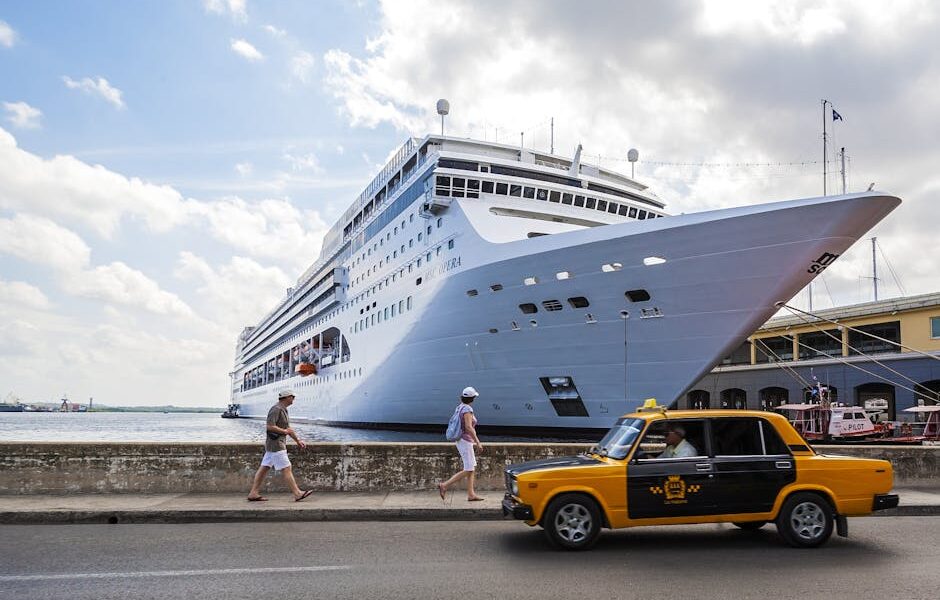
When the first 15,000 tonnes of Chinese rice docked in Havana harbor last weekend, it was more than just a delivery of food. It was a lifeline — and a symbol. For the millions of Cubans braving daily blackouts, empty shelves, and a crumbling healthcare system, the arrival of this staple grain offers momentary relief. But the story behind that shipment is not simply one of humanitarian aid. It is a snapshot of a global power struggle playing out on a small island, where the United States and China are locked in a quiet war of influence — and where ordinary people are caught in the middle. This China Cuba rice shipment underscores the deepening geopolitical tightrope walk in the Caribbean.
A Crisis Compounded by Sanctions
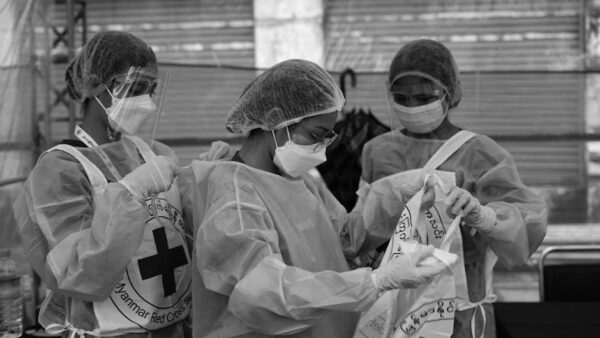
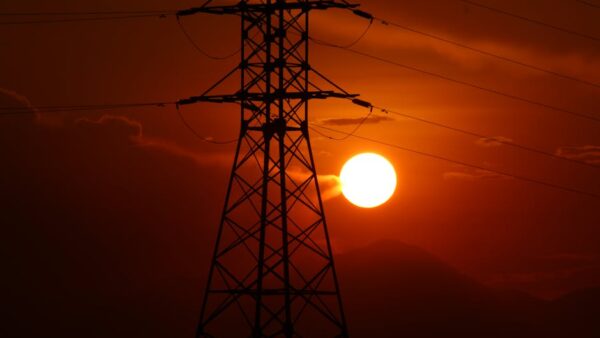
Cuba’s current humanitarian situation is dire. The island has been grappling with island-wide blackouts that have paralyzed public transportation, halted surgeries, and left families without refrigeration or clean water for days on end. As of early May, the energy minister confirmed that the nation’s oil reserves had been exhausted. This is not a new problem — Cuba’s infrastructure has been decaying for decades, aggravated by the U.S. trade embargo that has been in place since the 1960s. But the situation has taken a dramatic turn for the worse since the start of 2026, when the Trump administration escalated its pressure campaign.
In January, the United States launched a military operation in Venezuela that led to the capture of President Nicolás Maduro, and immediately afterward barred the transfer of oil and funds from Venezuela to Cuba. By February, an executive order labeled Cuba an “unusual and extraordinary threat” to U.S. national security, threatening sanctions against any country that supplies the island with oil. The result? A near-total fuel blockade. Only a single Russian tanker has managed to reach Cuban shores since then.
Into this vacuum steps China, with a donation of roughly 60,000 tonnes of rice — the first installment of which arrived on Saturday. Cuban President Miguel Díaz-Canel took to social media to express “deep gratitude” not only to Beijing, but also to European parliamentarians who have condemned the U.S. pressure. His language was sharp: he called the collective punishment of the Cuban people “genocide” and framed the U.S. strategy as a pretext for possible military intervention.
More Than Just a Grain of Rice: The China Cuba Rice Shipment
What makes this shipment significant is not just the rice itself — though it will certainly help feed a hungry population — but what it represents. China has already supplied solar panels to Cuba, aiming to help modernize an energy grid that relies on imported oil for nearly 60 percent of its needs. Now, with oil imports largely cut off, those panels are more critical than ever. China is not merely a donor; it is positioning itself as Cuba’s essential partner in survival, while the United States is seen as the force trying to starve the island into submission.
But there is an irony at play here. The Trump administration has long warned about China’s growing influence in Latin America, and yet its own hardline policies are driving Cuba straight into Beijing’s arms. By tightening the screws so aggressively, the U.S. is effectively forcing Cuba to deepen its reliance on its chief geopolitical rival. It is a pattern we have seen before in other parts of the world: when one superpower withdraws or applies pressure, another fills the gap.
The Human Cost of a Geopolitical Chess Game
Lost in the heated rhetoric between Washington and Havana is the reality of daily life for Cubans. The blackouts are not an inconvenience; they are a crisis of survival. Hospitals run on backup generators that often fail. Public transport has ground to a halt. Access to clean water is sporadic. And now, with food supplies tightening, the arrival of Chinese rice is a rare piece of good news — but it is a temporary fix for a long-term problem.
The U.S. has offered $100 million in humanitarian aid, but with a string attached: Cuba must implement “meaningful reforms.” For a government that sees itself under siege, such conditions feel like a demand for surrender. Meanwhile, Trump has reportedly sought the resignation of Díaz-Canel and hinted at the possibility of military action, saying last week, “It looks like I’ll be the one that does it” — a reference to decades of U.S. efforts to change Cuba’s government.
An Original Perspective: The Fragility of Dependence
One aspect that often goes unmentioned is the long-term vulnerability that comes with relying on a single benefactor. While China’s support is welcome in the short term, it also ties Cuba’s fate to Beijing’s strategic interests. If China’s priorities shift — or if it uses this dependency to extract political or economic concessions — Cuba could find itself trading one form of coercion for another. The history of foreign aid is littered with examples of countries that gained a lifeline only to lose their autonomy. Cuba, which has spent six decades fighting U.S. domination, must be careful not to simply trade one master for another.
What Comes Next?
For now, Díaz-Canel is projecting defiance. He has vowed to strengthen ties with China and has framed the current crisis as a test of national resilience. But resilience has its limits. The Cuban people have endured blackouts, shortages, and embargoes for generations. What is different now is the intensity and speed of the collapse. The U.S. has made clear it will not relent, and China has made clear it will not abandon its ally — at least for now.
The rice shipment is a stopgap, not a solution. It buys time, but it does not address the underlying rot in Cuba’s infrastructure or the geopolitical stranglehold that has left the island gasping for air. The real question is whether Cuba can chart a path that is not dependent on the whims of Washington or Beijing — and whether its people will have the patience to wait for that day to come. For more on how geopolitical tensions affect global stability, see Global Tensions Are Stress-Testing the System Designed to Prevent World War III. Additionally, the EU’s diplomatic tightrope in Ukraine offers a parallel example of balancing superpower influence. For external context, the Council on Foreign Relations provides analysis on China-Cuba relations, and Reuters covers the latest developments.