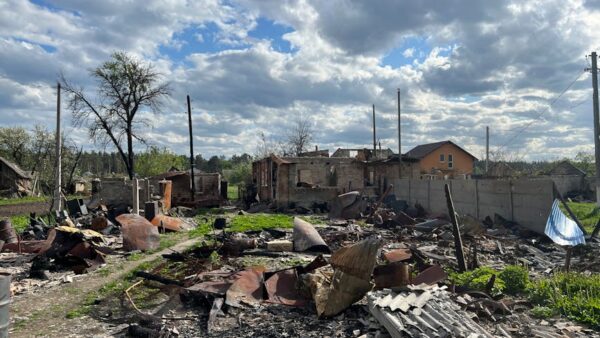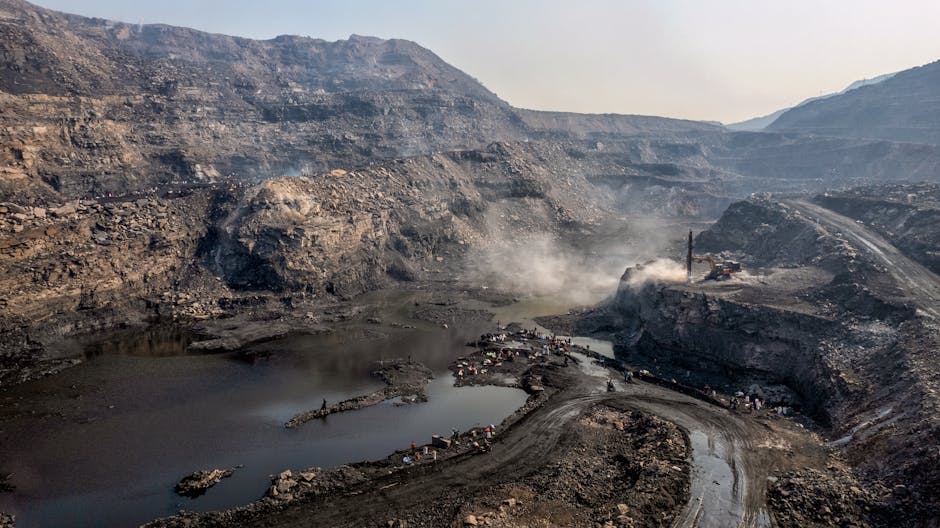
When the ground shook beneath the hills of Shanxi province last Friday, it wasn’t just the earth that trembled. The explosion at the Liushenyu coal mine, which killed at least 82 people and injured over 120, sent a shockwave through a nation that thought it had left such horrors in the past. This coal mine disaster is a haunting echo of the 2000s, when Chinese coal mines were notorious for deadly accidents that happened so often they barely made headlines. Now, anger is simmering not just on the streets, but on a tightly controlled internet where citizens are daring to ask: how did this happen again?
The Ghosts of Shanxi: A Coal Mine Disaster Repeats
Shanxi is the heart of China’s mining industry, and it has a grim history. In the early 2000s, deadly explosions, collapses, and floods were routine. The government eventually clamped down, bringing in international experts, enforcing stricter regulations, and shuttering illegal mines. But the Liushenyu tragedy, the worst in over 15 years, suggests the old demons are far from exorcised. Initial investigations point to the mine’s operator, Tongzhou Group, for what authorities call “serious illegal violations”. The company is now under control measures, and its four mines in Shanxi have been shut down.
Facts That Don’t Add Up
The details emerging from the disaster paint a picture of negligence that borders on the absurd. State media reports that the number of workers underground at the time of the explosion was double the official count. Some workers apparently didn’t carry mandatory tracking devices, and the mine’s blueprints didn’t match the actual layout, hampering rescue efforts. One Weibo user captured the public sentiment: “Why are there more than 100 unregistered workers appearing out of the blue? Was it to exceed production limits? To reduce costs? Or to conceal the number of workers during an accident?”
Digital Anger, Cautiously Directed
In China, online criticism of the government usually disappears within hours after such incidents. This time, the fury is mostly aimed at Tongzhou Group, which received two administrative penalties for safety violations in 2025 alone and was listed by the National Mine Safety Administration in 2024 as a mine with “severe hazards”. But the public isn’t letting officials off the hook entirely. As one Weibo post noted, “This incident exposes the superficiality of local daily supervision and the low cost of violations, leading to repeated violations by the company.” Hu Xijin, former chief editor of the Global Times, warned: “China’s gradually improving state of coal mine safety cannot be disrupted, much less reversed.”
A Crisis of Trust at the Mine Entrance
Outside the mine, families wait in agony for news of the two still missing. One man told AFP he hasn’t dared tell his parents that his brother is unaccounted for. His words capture a deeper unease: “They say two people are missing, but who knows if that’s accurate? We honestly don’t know.” This lack of trust is a wound that won’t heal quickly. For a government that has staked its credibility on modernization and safety, this coal mine disaster undermines a decade of hard-won progress.
Original Insight: A Deeper Rot in the Rush for Coal
Beyond the immediate failings of one company, this catastrophe signals a systemic problem that goes to the heart of China’s energy strategy. In recent years, as the country ramped up coal production to meet energy demands and stabilize the grid after power shortages, the pressure to produce has trumped safety. Coal prices soared, and so did the incentive to cut corners. The Liushenyu disaster is not an isolated failure of supervision; it’s a predictable consequence of a system that rewards extraction over protection. When a mine can double its workforce with unregistered laborers to push output, and get away with it until the blast, it shows that the real mine shaft is in the regulatory framework itself. The cost of a ton of coal has been weighed against the price of a human life—and we now know which side lost.
What Comes Next
Rescue efforts continue with hundreds of personnel scouring the debris. Tongzhou Group has remained silent. The investigation is pledged to be rigorous, and officials promise severe punishment. But for the families burying their dead—and for the thousands of miners working in conditions that may be just as unsafe—words are cold comfort. The question hanging over Shanxi is whether this tragedy will spark real change, or simply join the long list of moments when China promised to do better, only to wait for the next explosion. For more on similar tragedies, see Deadly Elephant Collision Highlights Uganda’s Growing Human-Wildlife Conflict. Learn about global safety lessons from OSHA and International Labour Organization.