When the World Health Organization’s chief, Dr. Tedros Adhanom Ghebreyesus, speaks directly to the people of the Democratic Republic of the Congo about Ebola Bundibugyo Ituri, he isn’t just issuing a bureaucratic bulletin. He’s reaching out to a region he knows intimately—a place where he earned the local name “Dr. Paluku” during a brutal outbreak five years ago. That nickname wasn’t given lightly. It was a sign of trust forged in fire, earned after fourteen visits to the frontlines of a war-zone epidemic.
Now, Ebola is back in the DRC, but this time the stakes are different. The virus causing this outbreak is Ebola Bundibugyo, a strain for which no approved vaccines or treatments exist. That fact alone changes the calculus for everyone—from health workers in the field to families huddled in displacement camps in Ituri province, where more than 90% of new cases are appearing. The Ebola Bundibugyo Ituri outbreak demands urgent global attention.
Why This Ebola Bundibugyo Ituri Outbreak Demands a Different Response
During the 2018–2020 epidemic in North Kivu, the world had a secret weapon: a proven vaccine for the Zaire strain. Health workers could ring-vaccinate contacts, building a wall of immunity. That playbook doesn’t exist here. “This is serious, and you deserve to hear that plainly,” Tedros wrote, acknowledging the stark reality. Without a vaccine, the response hinges on early detection, supportive care, and—most crucially—community trust. The Ebola Bundibugyo Ituri situation is unprecedented.
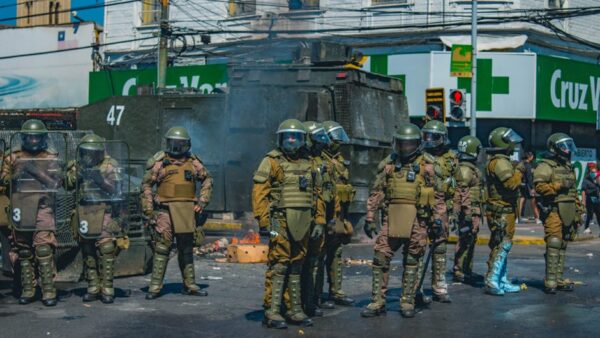
The challenge is immense. Many of the same obstacles that plagued the previous outbreak remain: armed conflict, mass displacement, and deep-seated mistrust of outsiders. But there’s a new wrinkle. The combination of an unstoppable virus and fragile security creates a perfect storm. In the past, attacks on clinics and health workers cost precious lives. “We could hear the fighting on the outskirts of Beni,” Tedros recalled, “and yet the health workers around me did not stop.” That courage is remarkable, but courage alone doesn’t stop a virus. For more on how rare strains test global response, see Lessons from the Shadows: How a Rare Ebola Strain Is Testing Global Outbreak Response.
The Human Cost of Conflict in Ituri
The most powerful part of Tedros’s message isn’t the science—it’s the direct appeal to the warring factions in the region. “Please, declare a ceasefire. Even briefly. Even just enough to let health workers through,” he pleaded. This is an extraordinary move for a WHO director-general, but it reflects a grim reality: people are dying from a preventable disease because bullets and bombs block the path to care.
The numbers tell a heartbreaking story. In Ituri, families already battle malaria, hunger, and the daily trauma of instability. Now they face a virus that spreads silently through sweat, blood, and tears. Without safe corridors for medical teams, the outbreak will accelerate. “No cause, no conflict, no grievance is worth condemning innocent people to death from a preventable disease,” Tedros added. The Ebola Bundibugyo Ituri crisis highlights the intersection of health and conflict.
Ituri’s Resilient Spirit: A Foundation for Hope Amid Ebola Bundibugyo Ituri
Yet amid the despair, there is a defiant pulse. Tedros took care to paint a fuller picture of Ituri—not just as a place of suffering, but as a province of vibrant commerce. He described the bustling markets of Bunia, the energy of young traders and farmers who refuse to be defined by violence. “That spirit, that refusal to give up, is exactly what we need now,” he wrote.
I find that perspective hopeful but also grounding. Media coverage often forgets that these communities are not passive victims. They are agents of their own survival. In the 2018 outbreak, change came only when international responders began listening—when they stopped imposing solutions and started respecting local knowledge. “Trust grew slowly, then more quickly,” Tedros noted. That lesson should be tattooed on every emergency response handbook. For authoritative guidance on outbreak response, visit the World Health Organization’s Disease Outbreak News.
A Role for Everyone
The WHO chief specifically addressed two groups: young people and health workers. To the youth of Ituri, he said, “Your voice carries further than you know.” That’s not just rhetoric. In past outbreaks, young people have been powerful messengers, spreading facts in schools and markets, breaking the silence that allows Ebola to fester. To health workers, he offered a simple but profound acknowledgment: “You are seen, and you are not alone.”
And here’s a critical detail many miss: early supportive care—rehydration, symptom management—can reduce mortality even without a cure. “If you or someone you know falls ill, please do not wait,” he urged. “Coming forward early can make the difference between life and death.” That message might save more lives than any announcement from Geneva.
What Needs to Happen Now for Ebola Bundibugyo Ituri
To turn the tide, three things must align. First, hostilities must pause—even for a week—to let response teams reach every corner of Ituri. Second, the DRC’s government and partners must invest in listening to communities, not just shipping supplies. Third, the world must accelerate research into treatments for the Bundibugyo strain. A vaccine is a distant hope, but agility can still win.
This is not a time for political posturing. It’s a moment for humanity. As Tedros put it, “We do not come to Ituri with only medicine and expertise. We come to join a community that already knows how to fight for its survival.” Let’s hope the warring parties hear that call—and that the people of Ituri know the world stands with them, not as saviors, but as partners.