In a move that threatens to unravel an already fragile ceasefire, the Gaza ceasefire crumbles as Israeli Prime Minister Benjamin Netanyahu announced this week that he has directed the Israel Defense Forces (IDF) to tighten their grip on Gaza, aiming for 70% control of the Strip. Speaking at a conference on Thursday, Netanyahu revealed that Israeli forces have already expanded their footprint from 50% to 60% since the ceasefire was signed in October 2025. His directive to push further — with a target of 70% — signals a significant shift in strategy that many fear could reignite full-scale conflict.
Gaza Ceasefire Crumbles: A Ceasefire on Paper, But Not on the Ground
The October 2025 ceasefire, brokered by former President Donald Trump, was supposed to be a turning point. Under its terms, the IDF agreed to withdraw to a demarcation line known as the “yellow line,” holding only about 53% of the territory. But that agreement has proven hollow. Since the ceasefire took effect, more than 738 Palestinians have been killed, according to the Hamas-run health ministry — figures the United Nations considers reliable. The IDF has also continued targeted strikes, killing senior Hamas commanders and, tragically, civilians, including children.
Netanyahu’s latest remarks are a stark admission that the Gaza ceasefire crumbles further with each passing day. “We are currently squeezing Hamas; we now control 60% of the territory of the Strip,” he said. When a voice in the crowd suggested 100%, he laughed it off but made his intent clear: “Let’s go step by step. First of all, 70. Let’s start with that.”
Behind the Scenes: Stalled Talks and Hardline Demands
The expansion comes as indirect talks between Israel and Hamas remain deadlocked. The Trump peace proposal, a 20-point plan, calls for Hamas to disarm and Israeli troops to fully withdraw. But neither side seems willing to budge. Israel’s far-right cabinet members, including National Security Minister Itamar Ben Gvir and Finance Minister Bezalel Smotrich, have been openly advocating for what they call the “voluntary migration” of Palestinians from Gaza — a move that human rights groups warn could amount to forced displacement, a war crime under international law.
Defense Minister Israel Katz has also stoked tensions, vowing on X that Israel will “eliminate everyone who led the October 7 massacre” and that “Hamas will not rule Gaza civilly or militarily.” Such rhetoric makes a diplomatic resolution seem further away than ever.
Human Cost Mounts
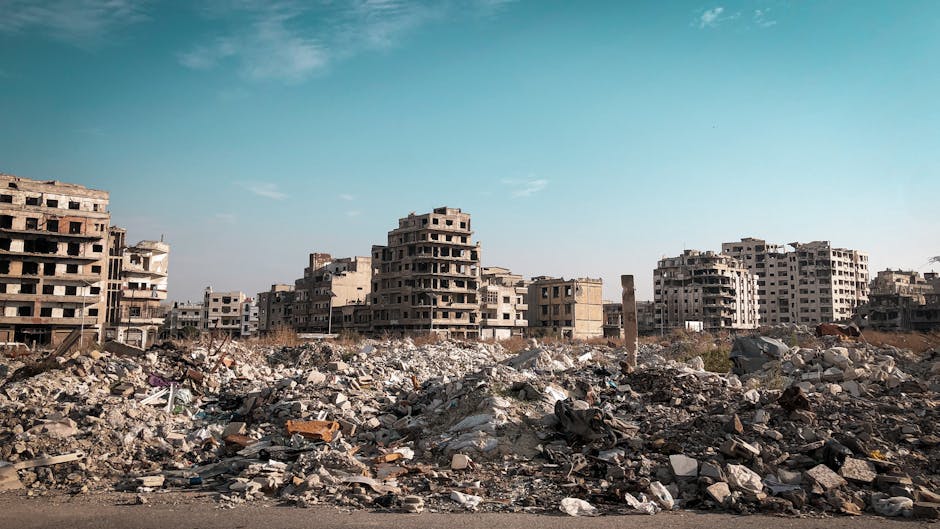
The human toll of this stalemate is staggering. As of May 2026, more than 72,000 Palestinians have been killed since the war began, including over 21,000 children. Entire neighborhoods in Gaza have been reduced to rubble, and over two million residents are displaced, living in squalid conditions. The recent strikes this week alone have killed at least 10 people in Gaza City, including five children, and took out Hamas commanders like Imad Asleem and Mohammed Odeh — but at the cost of civilian lives, including Odeh’s wife and sons.
Meanwhile, many of the 251 hostages taken during the October 7, 2023 attack remain in captivity, their families caught in a nightmare with no end in sight. The original assault killed about 1,200 Israelis, sparking a war that has spiraled into one of the most devastating conflicts of the 21st century.
What Netanyahu’s Move Means for the Region
The push to 70% control is not just a tactical shift — it’s a political statement. Netanyahu is signaling to his far-right coalition partners that he is prioritizing military victory over negotiated peace. It’s a gamble that could backfire. Expanding control without a clear endgame risks bogging down the IDF in an endless occupation, inflaming regional tensions, and undermining the US-brokered peace process that many hoped would stabilize the Middle East.
From an expert perspective, this feels less like a strategy and more like a Band-Aid on a bullet wound. By squeezing Hamas territorially, Israel may weaken the group’s military capabilities, but it also radicalizes the population and creates a humanitarian catastrophe that fuels recruitment for extremists. The underlying issues — the status of Gaza, the rights of Palestinians, the security of Israelis — remain unresolved. Without a credible political horizon, the cycle of violence will continue, and the 70% figure will become just another grim milestone in a war without winners.
As the international community watches, the question is no longer whether the Gaza ceasefire crumbles, but what comes after it inevitably collapses. For the people of Gaza — and for the families of the hostages — that future looks increasingly bleak. For more on the broader regional impact, see our analysis on Strait of Hormuz tensions. For context on the human cost, read In Gaza, a Ceasefire Dream Fades. For authoritative reporting on the conflict, consult BBC News: Israel-Gaza War and UNISPAL: Ceasefire Documents.