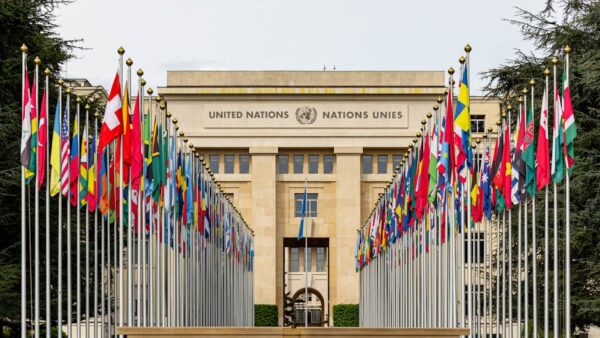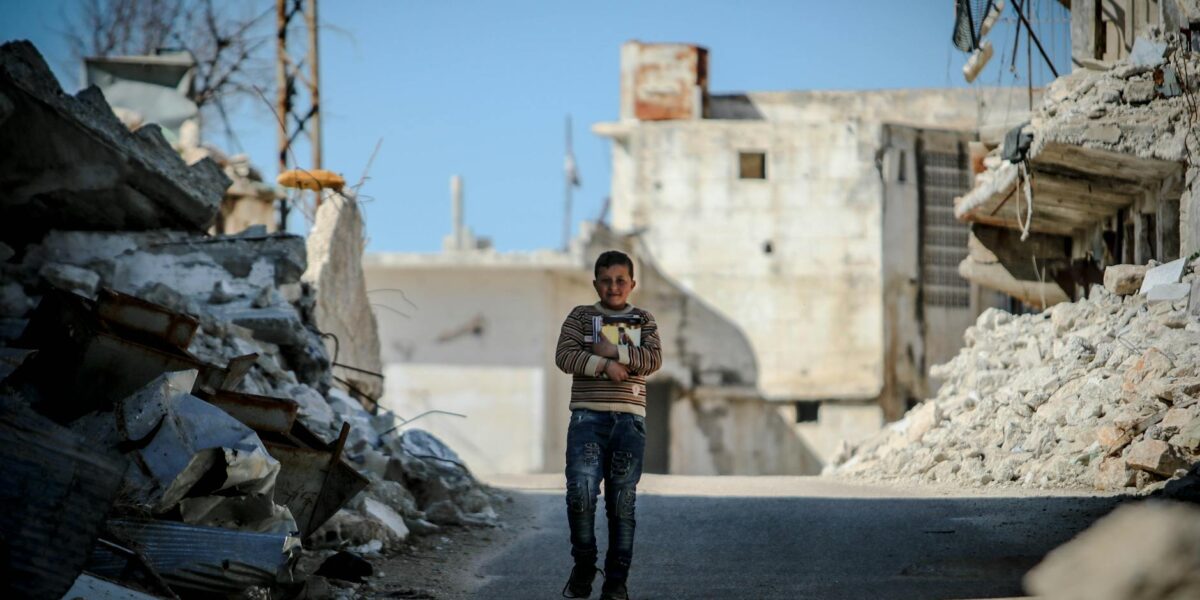
The Gaza children crisis is a catastrophe that has shredded the basic protections of childhood. According to a senior official from the United Nations children’s agency, the crisis has reached a point where families watch helplessly as their sons and daughters are caught in what the agency describes as an unending spiral of trauma, malnutrition, and displacement. The statement, delivered on Friday, underscores a reality that has become all too familiar: the enclave’s youngest residents are paying the highest price for a war they had no hand in starting.
Beyond the headlines: what the numbers really mean in the Gaza children crisis
Statistics can numb the mind, but each figure represents a real child. Thousands of boys and girls have been killed or wounded since the escalation began. Many more have lost their homes, their schools, and their sense of safety. Aid workers on the ground report that psychological scars run deep. Children who once played in narrow alleyways now flinch at the sound of drones overhead. The Gaza children crisis extends beyond physical injury to include invisible wounds—anxiety, depression, and a profound loss of hope.
Humanitarian access remains severely restricted. Food, clean water, and medical supplies are scarce. Hospitals are overwhelmed, and routine vaccinations have been disrupted, raising the risk of disease outbreaks among a population that is already malnourished. The UN agency specifically called for an immediate scale-up of aid deliveries, warning that without safe corridors for supplies, the situation will only worsen. For more on regional impacts, see Germany joins growing unease over Israel’s Gaza control expansion.
A generational toll that cannot be reversed
What sets this conflict apart from previous cycles is the depth and duration of the hardship. In earlier outbreaks of violence, children in Gaza could usually return to something resembling normal life within weeks. This time, the destruction is more widespread, and the blockade tighter. Entire neighborhoods have been reduced to rubble. Schools that once provided a semblance of routine now serve as shelters for displaced families.
An expert in child development who has worked in conflict zones for two decades told me that the most devastating consequence is the collapse of what she calls the “protective web” — the network of parents, teachers, and community elders who help children make sense of chaos. When that web is frayed, children internalize trauma in ways that can affect their ability to trust, learn, and form relationships for years to come. The Gaza children crisis is not merely a humanitarian emergency; it is a long-term threat to the social fabric of an entire generation.
What can be done — and why it matters beyond Gaza
While the political path to a ceasefire remains fraught, the humanitarian imperative is clear: children must be deconflicted. This means guaranteeing safe passage for aid convoys, restoring electricity and water infrastructure, and establishing field hospitals where the wounded can be treated without delay. It also means ensuring that mental health support is integrated into every relief effort. A full stomach is not enough if a child cannot sleep without nightmares.
There is also a global interest at stake. Research consistently shows that unresolved childhood trauma in war zones fuels cycles of violence that last for generations. Conversely, investing in the protection and recovery of children is one of the most effective ways to build long-term stability. The international community cannot afford to look away. The children of Gaza are not asking for charity; they are asking for the most basic human right — the chance to survive and, one day, to thrive. For more on the broader conflict, see Gaza’s shrinking horizon: Israel’s territorial grab and the fragile ceasefire that wasn’t.
How readers can respond
- Stay informed — follow credible agencies like UNICEF for verified updates on the Gaza children crisis.
- Support humanitarian organizations that are directly providing food, medicine, and psychosocial care inside Gaza.
- Advocate for policy change — contact elected representatives and urge them to press for sustained humanitarian access and a diplomatic resolution to the conflict.
No child should have to grow up surrounded by the rubble of their own future. The least we can do is refuse to let their story fade into the background of daily news cycles. The children of Gaza deserve to be more than a statistic. They deserve a childhood.