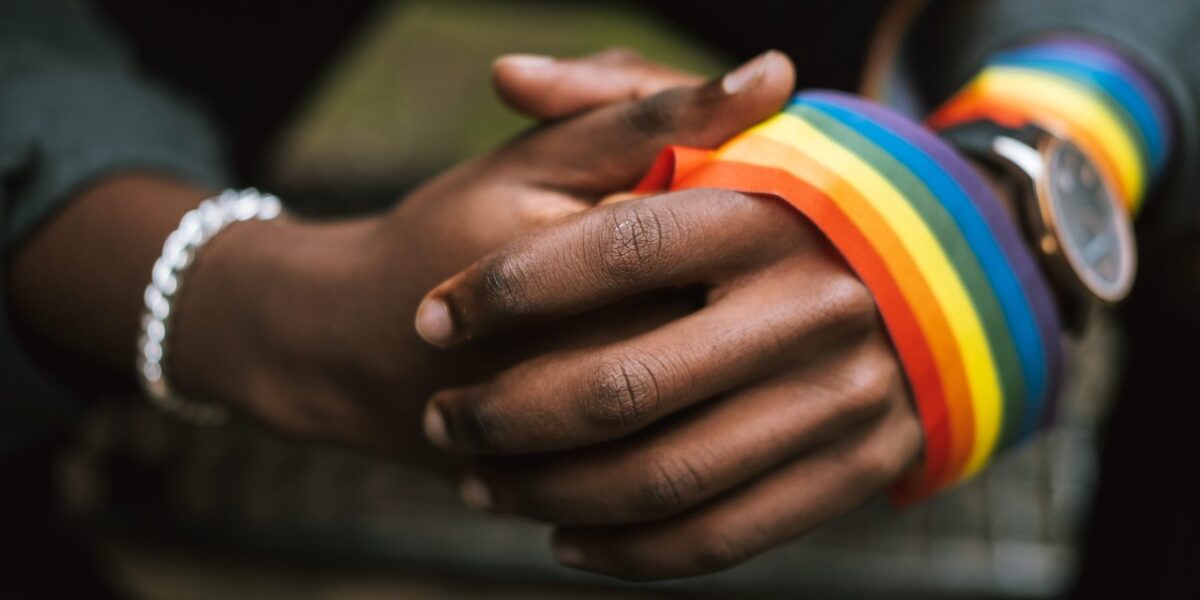
Ghana’s parliament has passed a sweeping new anti-LGBTQ+ bill, introducing prison sentences of up to three years for anyone identifying as lesbian, gay, bisexual, transgender, or queer. The Ghana anti-LGBTQ+ bill also criminalizes the promotion of LGBTQ+ activities and imposes a controversial “duty to report” suspected violations to police—raising alarm among human rights groups about the erosion of personal freedoms.
How the Ghana Anti-LGBTQ+ Bill Goes Beyond Criminalization
Unlike earlier colonial-era bans on same-sex relationships, this bill expands the scope of punishment to include allies and supporters. Anyone who identifies as an “ally” of LGBTQ+ people could face prosecution. Exemptions exist only for legal professionals, media workers, and healthcare providers who report on or treat LGBTQ+ individuals. The bill’s sponsor, Reverend John Ntim Fordjour, argued in parliament that the measures would protect Ghanaian family and cultural values by making existing laws “more robust, more encompassing, and more stringent.” Religious leaders have been pressuring President John Dramani Mahama to sign the bill into law since he took office last year. Mahama has previously stated that he believes “only two genders exist—man and woman” and that marriage is between them. His support makes ratification likely, despite the bill failing to become law under former President Akufo-Addo due to legal challenges.
International Criticism and Regional Trends
Human Rights Watch has sharply condemned the legislation, warning it places LGBTQ+ people at risk while “encouraging citizens to surveil and denounce one another.” The organization recommended abandoning the bill in a formal submission to the constitutional and legal affairs committee in Accra. Ghana joins a growing list of African nations strengthening anti-LGBTQ+ laws. Senegal’s parliament approved similar legislation in March with a maximum ten-year prison term for same-sex acts. Uganda introduced the death penalty for certain same-sex acts in 2023. The ripple effects of this Ghana anti-LGBTQ+ bill extend beyond legal punishment. It normalizes a culture of suspicion, where neighbors, colleagues, and even family members may feel compelled to report one another. This dynamic threatens trust in communities and could lead to increased violence and extortion, as individuals are targeted for perceived violations.
Original Analysis: A Broader Assault on Civil Liberties
While the bill is framed as a defense of traditional values, its implications reach far beyond the LGBTQ+ community. The requirement to report “prohibited acts” effectively turns every citizen into an enforcer of state morality. This creates an environment where private conversations, medical consultations, and even artistic expression become fraught with risk. History shows that such surveillance laws are rarely limited to their original targets—they can be used to silence journalists, activists, and political dissenters. The bill’s passage signals a troubling shift toward authoritarian governance under the guise of cultural protection, and it places Ghana at odds with international human rights standards that protect privacy, freedom of expression, and dignity for all. For more on how similar laws affect civil liberties, see our analysis of UN’s expanding list of nations accused of conflict-related sexual violence.
What Happens Next
President Mahama must now sign the bill into law. If he does, it will take effect immediately. The international community is watching closely, and several human rights organizations have already pledged to challenge the legislation in court. For now, LGBTQ+ Ghanaians and their allies face an uncertain future in a country that has just voted to institutionalize discrimination. Learn more about global human rights issues from Human Rights Watch and Amnesty International.