Desperate Wait Underwater
The Laos cave rescue of five villagers trapped in a flooded cave system has gripped the nation. For more than a week, their fate was unknown after sudden rains sealed their exit. On May 30, 2026, rescue divers finally reached one of the men, pulling him to safety in a Laos cave rescue operation that has gripped the nation. Two companions remain missing, and four others still await extraction.
A Grim Reminder of Nature’s Fury: Laos Cave Rescue Lessons
The men entered the cave in search of gold, a common but dangerous livelihood in rural Laos. Flash floods, however, turned their hunt into a nightmare. This incident is not isolated; across Southeast Asia, seasonal deluges have turned underground passages into death traps. What was once a routine expedition became a lesson in the unpredictable power of weather.
The Rescue Effort in Detail
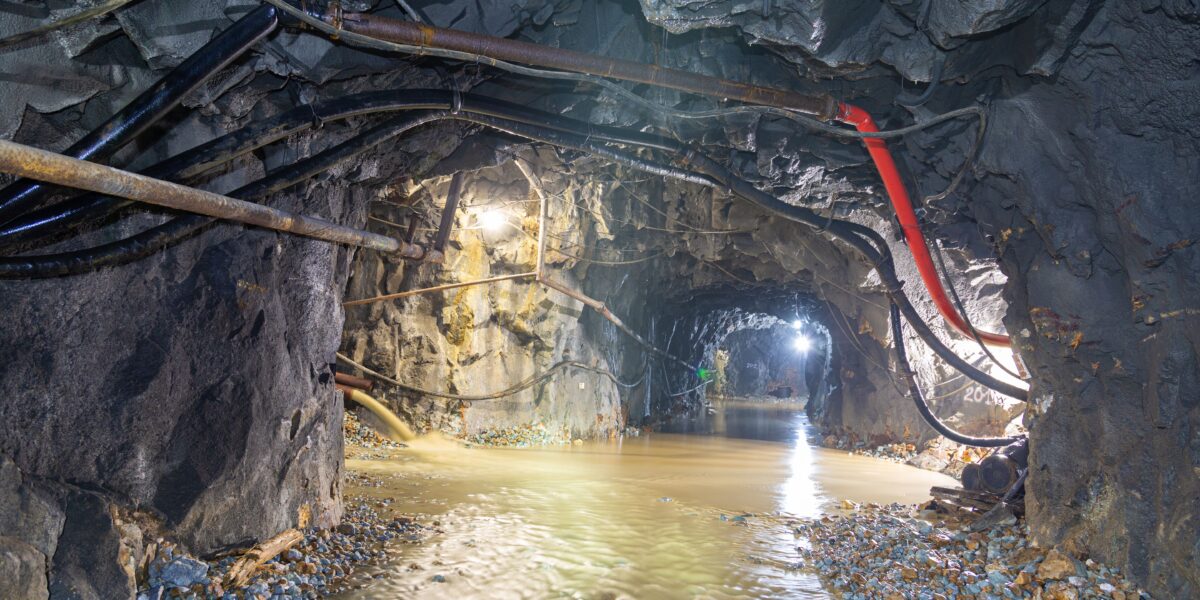
Local divers, assisted by international experts, navigated narrow, silt-filled channels to reach the trapped group. The first survivor was found conscious but dehydrated, huddled on a dry ledge deep inside the cavern. Officials report that the remaining four are alive but in critical condition, with supplies running low. The operation is painstaking: each trip takes hours, and visibility near zero.
Beyond the Headlines: The Larger Threat
While the world watches this Laos cave rescue, we must consider the broader context. Flash floods are becoming more frequent and severe due to deforestation and erratic rainfall patterns linked to climate change. In Laos, where many rely on natural resources for survival, such disasters are a ticking clock. The government has warned against entering caves during monsoon season, but economic desperation often overrides caution. This is not just a rescue story; it is a symptom of a region adapting to a harsher environment.
What Comes Next?
Rescuers are racing against time and rising water levels. Heavy rain is forecast in the coming days, threatening to submerge the cave entirely. The missing pair—believed to have strayed into a separate chamber—have not been located. Families wait at the cave mouth, holding vigils. For every survivor pulled out, the odds for the others shrink.
A Call for Better Preparedness
This tragedy exposes gaps in rural disaster response. Remote villages lack emergency communication systems, and rescue equipment is scarce. Experts argue for investment in flood warning systems and community training. As one diver put it, “We are not just saving lives; we are fighting against a changing world.” The outcome of this Laos cave rescue will likely shape future policy on cave exploration and monsoon safety. For more on regional disaster response, see Extreme Heat in Delhi: How India’s Informal Workers Face a Daily Crisis. Learn about climate change impacts from IPCC. Read more about the Gaza children crisis for another perspective on humanitarian emergencies. For a detailed account of a similar event, see Rescuers Battle Narrow Passages to Free Trapped Gold Seekers in Laos Cave.