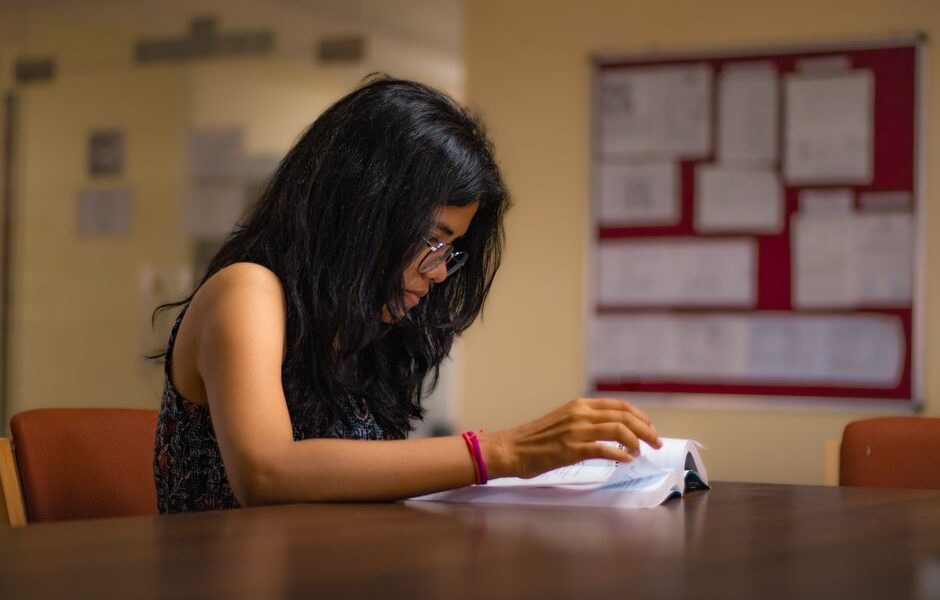
In a small, tin-roofed shed in Rajasthan, a father sits alone with a chemistry book he cannot read. His fingers trace the diagrams and equations his son once mastered, and he whispers a plea in Rajasthani: “Come back, my doctor son.” This is not a scene from a tragedy—it is the aftermath of a systemic failure that has turned India’s dream of medical education into a nightmare for thousands. The NEET exam crisis has exposed deep flaws in the system, leaving families shattered.
Pradeep, 21, had spent five years preparing for the National Eligibility cum Entrance Test (NEET), the high-stakes exam that decides who gets into India’s subsidised medical colleges. He had failed twice before, but this year, he believed he had aced it. When he walked out of the exam hall, he hugged his father and said, “Papa, I have become a doctor.” But the exam was cancelled after allegations of a paper leak. Days later, Pradeep took his own life.
The Broken Promise of Meritocracy and the NEET Exam Crisis
India’s NEET exam is more than a test—it is a gateway out of poverty for millions. Nearly 2.3 million students appeared this year, competing for fewer than 130,000 spots. The pressure is immense, and the stakes are life-altering. For families like Pradeep’s, who sold their ancestral land to fund coaching fees, failure is not an option. Yet the system that promises fairness is increasingly seen as rigged. The NEET exam crisis highlights the fragility of this promise.
Allegations of paper leaks have plagued the National Testing Agency (NTA) for years. In 2024, the exam was mired in controversy when over 80 students scored a perfect 720—an anomaly so rare that only seven students had achieved it in eight years. Investigations led to arrests, but the exam was not scrapped. This year, the pattern repeated: leaked questions appeared on Telegram in Rajasthan, and reports surfaced that papers were sold for up to 5 million rupees ($52,400). The NTA cancelled the exam, but for students like Pradeep, the damage was done.
A System Stretched to Breaking Point
Why do these leaks keep happening? The answer lies in the NTA’s chronic underfunding and overreach. The agency conducts over 20 major exams each year, including NEET, JEE, and UGC NET, handling more than six million test-takers annually. Yet it operates with just 22 deputed employees, 38 contractual staff, and 138 outsourced workers.
Keshav Agarwal, vice president of the Coaching Federation of India, describes the situation as unsustainable. “You cannot conduct exams for millions with such limited manpower,” he says. “The risks are everywhere—from paper setters to printers to exam centres. Each step is a potential leak point.” The NEET exam crisis is a direct result of these systemic failures.
Beyond the Headlines: The Human Toll
The story of Pradeep is not isolated. Four students have died by suicide since the cancellation of the exam. Their deaths reveal a crisis beyond cheating and corruption—a crisis of hope. For many low-income families, NEET is the only path to a stable, well-paying career. Private medical colleges charge over $100,000, an impossible sum for most. Public colleges, by contrast, are heavily subsidised, but competition is fierce.
When the system fails, it does not just fail on paper. It fails in the homes of fathers who sell their land, in the minds of teenagers who study 14 hours a day, and in the hearts of parents who watch their children lose their dreams. The anger on the streets is real, but it is the silence in those tin-roofed sheds that speaks louder.
What Comes Next?
The NTA has announced a retest for June 21, with promises of tighter security. But trust is not rebuilt with promises. Students like Harsh Dubey, who is preparing again after the leak, face an agonising wait. “My parents are scared,” he says. “Every day, I hear about another student who gave up.”
The solution is not just better policing of exams. It is a broader conversation about India’s obsession with a single test as the arbiter of worth. It is about investing in mental health support for aspirants and recognising that a child’s life is worth more than a seat in a medical college. Until then, the question from Rajasthan—”Can’t they protect one paper?”—will echo unanswered, drifting over fields of dreams that have turned to dust.
For more on systemic failures, read about When a Discount Ad Backfires: How Starbucks Korea Learned a Painful Lesson in Public Sentiment. External resources: BBC News on NEET paper leaks and The Hindu analysis of the NEET exam crisis.